Editor’s Note
This guide is part of Pure Dietly’s 2026 Cardiovascular Health Series. As metabolic health researchers, we prioritize data-driven insights that look beyond traditional calorie counting. This article was last reviewed on April 13, 2026, to ensure it reflects the latest clinical guidelines on lipid management and metabolic inflammation from top US health institutions.
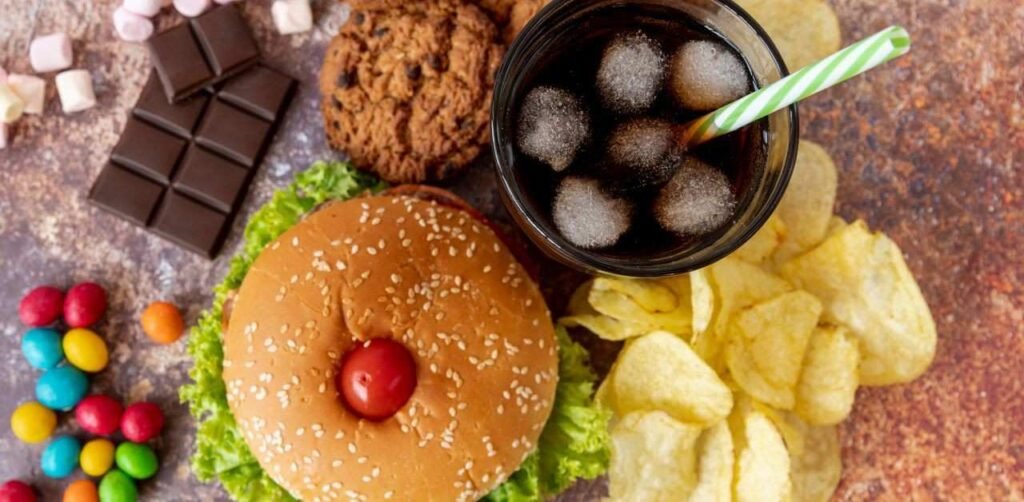
High cholesterol is a major concern for millions in the USA. However, many people only focus on fat while ignoring the metabolic triggers that actually cause plaque. In fact, finding the 15 foods to avoid with high cholesterol is about more than just reading labels. It is about understanding how these hormones and nutrients interact with your blood sugar. Consequently, this guide provides a science-backed roadmap to clear your arteries and optimize your longevity.
1. The Danger of Trans Fats and Oxidized Oils
Most people assume that all fat is harmful to the heart. On the contrary, the real danger lies in artificial trans fats and oils that have been oxidized at high temperatures. These are the primary metabolic disruptors in the modern American diet.
Commercial Baked Goods
Cookies, crackers, and pre-packaged cakes often contain hidden trans fats. Specifically, manufacturers use partially hydrogenated oils to extend shelf life. Therefore, these should be at the top of your list of foods to avoid.
Deep-Fried Fast Food
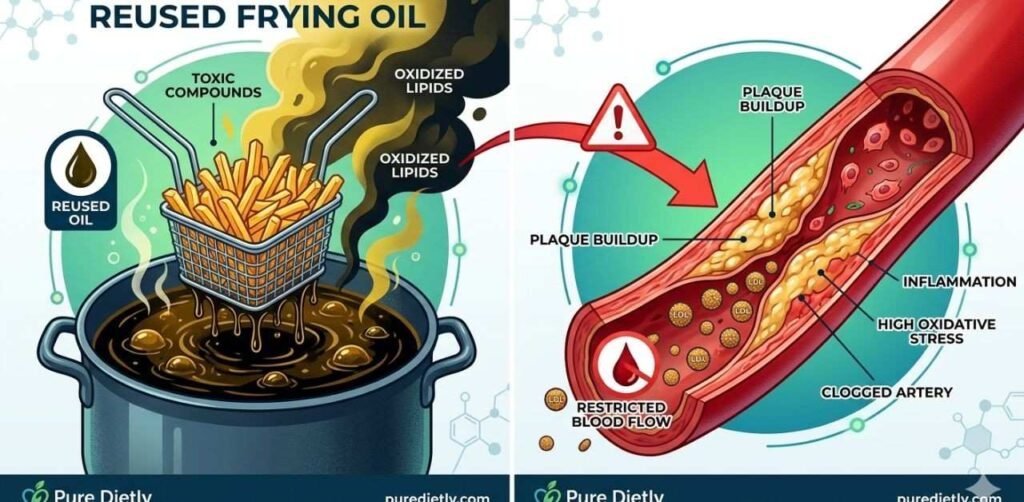
In many restaurants, oils are reused multiple times. As a result, the oil breaks down and creates toxic compounds. When you eat these, they cause immediate oxidative stress in your blood vessels. Furthermore, this inflammation makes it easier for LDL cholesterol to stick to your artery walls.
2. Processed Meats: The Sodium and Nitrate Trap
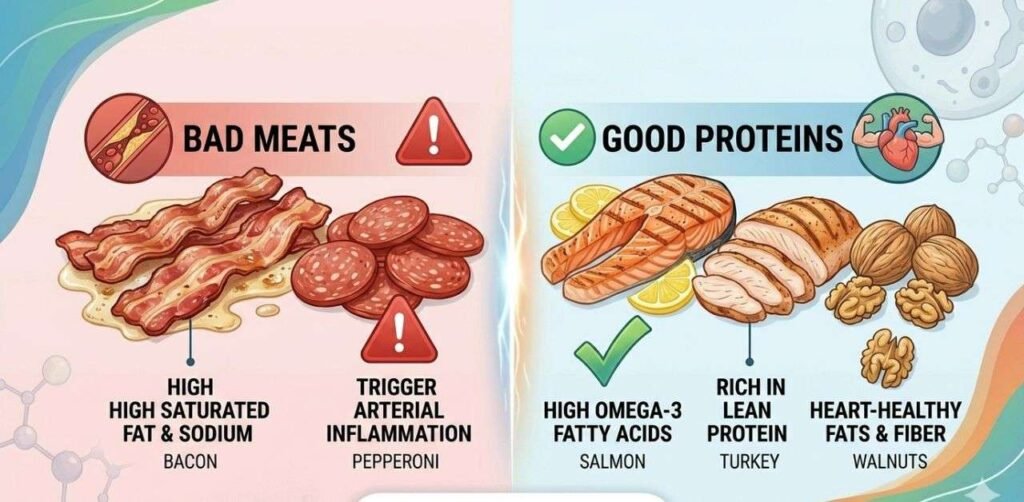
In the USA, processed meats are a daily dietary staple. Nevertheless, these are among the most dangerous 15 foods to avoid with high cholesterol. The combination of saturated fat, high sodium, and chemical nitrates creates a “perfect storm” for your heart.
Bacon and Deli Meats
Bacon and sausages are loaded with saturated fats that signal the liver to produce more cholesterol. Moreover, the high sodium content increases blood pressure. Consequently, this puts extra strain on your cardiovascular system.
Comparison Table: Meat and Protein Choices
| Food Item | Why it is Dangerous | Heart-Healthy Alternative |
| Pork Sausages | High Saturated Fat & Sodium | Organic Turkey Breast |
| Pepperoni | Triggers Arterial Inflammation | Wild-caught Salmon |
| Fatty Ribeye | Raises LDL Particle Count | Grass-fed Lean Beef (Limited) |
3. The Sugar-Cholesterol Connection (The Silent Killer)
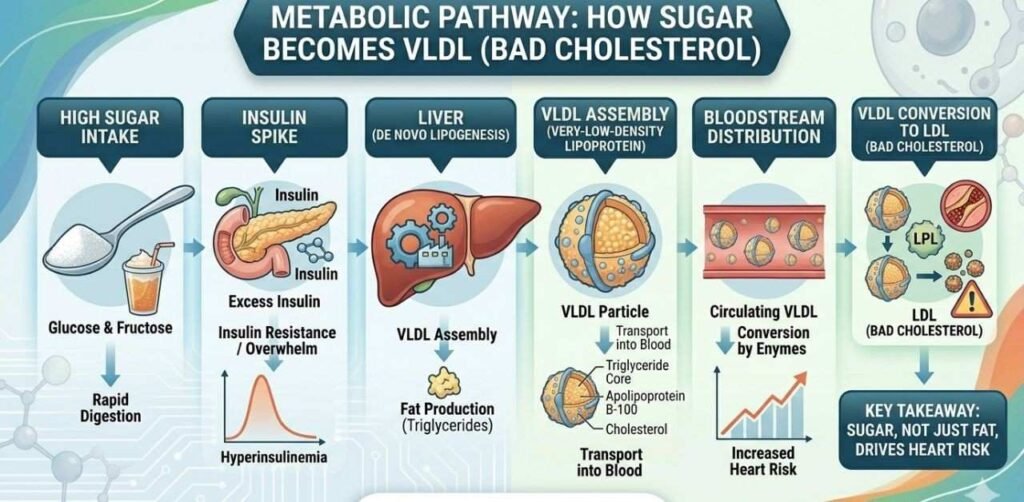
Actually, many people are surprised to learn that sugar is just as dangerous for your heart as fat. When you consume excess refined sugar, your liver begins a process called de novo lipogenesis. Therefore, your body starts creating more VLDL (very-low-density lipoprotein).
Sugary Sodas and Energy Drinks
High fructose corn syrup (HFCS) is a major ingredient in American beverages. Specifically, it directly impacts how your liver processes fats. As a result, your “bad” cholesterol levels spike while your “good” HDL levels drop.
Refined White Bread and Pastries
White flour acts exactly like sugar in your bloodstream. For instance, it triggers a massive insulin spike. When insulin is high, your body stays in “storage mode,” making it nearly impossible to clear cholesterol from your blood.
4. Full-Fat Dairy and Deceptive Tropical Oils
While some dairy can be part of a healthy diet, full-fat versions are concentrated sources of calories and saturated fats. Additionally, certain plant-based oils are marketed as healthy but can be deceptively harmful to your lipid profile.
Butter, Ghee, and Heavy Cream
In general, these should be used very sparingly. They contain high amounts of palmitic acid, which is known to raise LDL levels. Instead, try using extra virgin olive oil or avocado oil for your cooking needs.
The Truth About Palm Oil
Palm oil is hidden in many “healthy” snacks and nut butters in the USA. Actually, it is one of the few plant oils that is extremely high in saturated fat. Therefore, reading the ingredient list is essential to avoid this metabolic trap.
5. Modern “Convenience” Foods to Eliminate
Furthermore, several foods marketed as “quick meals” are stalling your metabolic progress. These items are often high in trans fats and hidden sugars to enhance flavor.
- Microwave Popcorn: Often uses palm oil and artificial “butter” flavorings that increase inflammation.
- Frozen Dinners: These are typically loaded with preservatives and cheap vegetable oils.
- Non-Dairy Coffee Creamers: These are essentially liquid sugar mixed with hydrogenated oils. Consequently, they are a disaster for your cholesterol.
6. Sourcing Matters: Why Quality is Key
In 2026, the source of your food is just as important as the food itself. Specifically, grass-fed meats have a much better Omega-3 to Omega-6 ratio than grain-fed meats. Therefore, if you do choose to eat meat, ensure it is of the highest quality to avoid unnecessary inflammation.
7. Integrating Biohacks for Better Lipids
To truly master your heart health, you must go beyond just avoiding certain items. For instance, incorporating strategies for managing PCOS insulin resistance can help clear fats from your blood more efficiently.
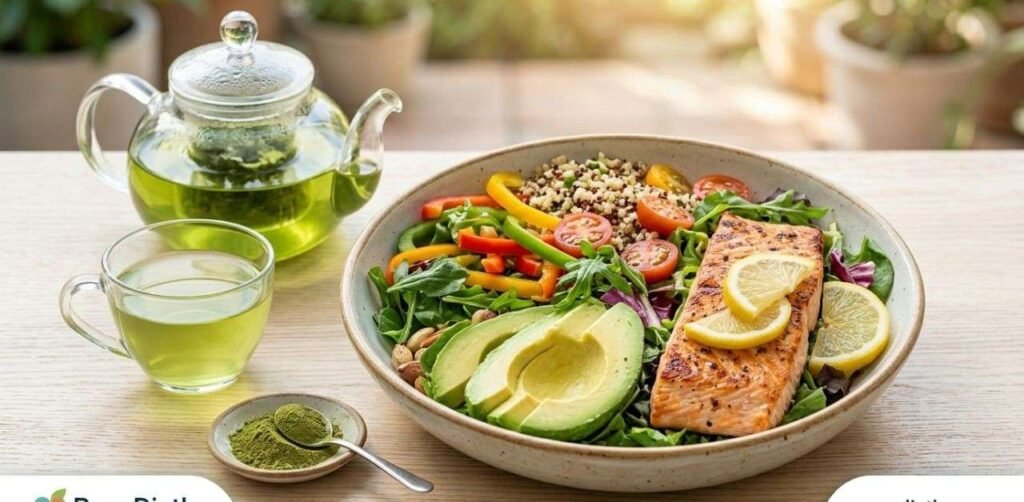
Moreover, many of our readers use a Moringa Metabolic Flush in the morning. Actually, Moringa provides the antioxidants needed to prevent your cholesterol from becoming “oxidized”—which is the form that actually causes heart attacks.
8. Frequently Asked Questions (FAQs)
Can I eat eggs if I have high cholesterol?
Typically, most people in the USA can safely eat 4–7 eggs per week. However, if your LDL is extremely high, you should focus on eating the whites and limiting the yolks.
Does coffee impact my cholesterol levels?
Actually, it depends on how you brew it. Unfiltered coffee, like French Press, contains cafestol. This compound can raise cholesterol. Therefore, stick to paper-filtered drip coffee for the best heart health.
How long does it take to lower cholesterol naturally?
Generally, you can see a significant change in your lipid panel within 6 to 12 weeks of strict dietary changes. Specifically, consistency is the most important factor for success.
Conclusion: Your Journey to a Healthier Heart
In summary, identifying the 15 foods to avoid with high cholesterol is only the first step. Therefore, you must build a foundation of high-fiber, nutrient-dense foods to protect your cardiovascular system. Always consult with your healthcare provider in the USA to monitor your lipid profile and family history.
Ready to track your progress? Use our Free Diabetic Calculators to see how your blood sugar spikes might be impacting your cholesterol production.
Ready to Check Your Levels?
Use our Free Diabetic Calculators to track your A1C, Sugar Spikes, and Fasting Progress.
OPEN ALL CALCULATORS ➔Fast • Accurate • Free for Puredietly Readers
About the Author
Gohar Fatima is a dedicated Metabolic Health Researcher and the founder of Pure Dietly. With a background in health research and digital content creation, Gohar specializes in bridging the gap between complex nutritional science and actionable lifestyle protocols. Her work focuses on empowering women and men to master their metabolic health through insights into insulin sensitivity, hormonal balance, and nutrient-dense living. When she’s not analyzing clinical audits, Gohar is committed to building a transparent, “zero-fluff” community for sustainable wellness.
3. Medical Disclaimer
Medical Disclaimer: > The information provided on puredietly.com, including text, graphics, and images, is for educational and informational purposes only. It is not intended to serve as a substitute for professional medical advice, diagnosis, or treatment. High cholesterol can be a serious condition that requires medical supervision. Always seek the advice of your physician or a qualified healthcare provider in the USA with any questions regarding your lipid profile or heart health. Never disregard professional medical advice or delay seeking it because of something you have read on this website.