
Editor’s Note:
Editor’s Note: This guide was last updated on April 12, 2026, to include the latest clinical research on metabolic-friendly contraceptives. As a metabolic health researcher, I have curated this content to focus specifically on how different birth control options impact insulin sensitivity and hormonal balance—a perspective often missing from traditional health guides.
Polycystic Ovary Syndrome (PCOS) is a complex hormonal challenge that affects millions of women across the USA. Furthermore, it is not just a reproductive issue; it is deeply rooted in metabolic health and insulin resistance. Consequently, finding the best birth control for PCOS requires more than just picking a pill from a shelf. It requires an understanding of how these hormones interact with your blood sugar and energy levels.
Understanding the PCOS-Metabolic Connection
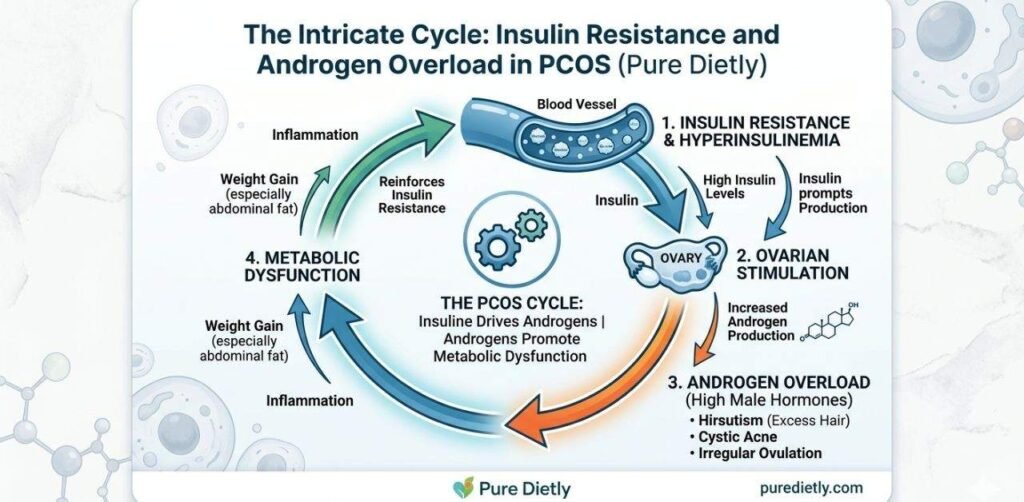
Before diving into options, we must understand why birth control is even prescribed. PCOS often causes high levels of androgens, which lead to acne and irregular periods. However, the silent culprit is usually insulin resistance. When you choose a contraceptive, you want a tool that manages symptoms without making your metabolic health worse. Therefore, balance is the ultimate goal.
“While birth control helps manage symptoms, understanding hormonal PCOS types is crucial for selecting the right dosage.”
1. Combined Oral Contraceptive Pills (COCs)
Combined pills contain both estrogen and progestin. Most doctors recommend these as the best birth control for PCOS because they are highly effective at lowering testosterone.
Why They Work for Skin and Hair
Specifically, these pills increase a protein called Sex Hormone-Binding Globulin (SHBG). This protein acts like a sponge, soaking up excess testosterone in your blood. As a result, cystic acne clears up, and unwanted facial hair growth slows down.
Metabolic Considerations
Nevertheless, not all combined pills are created equal. Some older progestins can slightly decrease insulin sensitivity. Thus, it is vital to monitor your fasting glucose while starting a new pack.
2. The Power of Anti-Androgenic Progestins
When searching for the best birth control for PCOS, many specialists point toward “fourth-generation” pills like Yaz or Yasmin.
- Drospirenone: This is the progestin used in these pills. Unlike older versions, it mimics the natural hormone progesterone very closely.
- The Benefit: It doesn’t cause the water retention or bloating often associated with other pills.
- Metabolic Impact: It is generally considered “weight-neutral,” which is a huge win for the PCOS community.
3. Hormonal IUDs (Mirena and Kyleena)
For those who prefer a “set and forget” method, the hormonal Intrauterine Device (IUD) is a top contender.
Localized Action
In contrast to the pill, an IUD releases hormones directly into the uterus. Because very little of the hormone enters your bloodstream, the impact on your liver and insulin levels is minimal.
Who Should Choose This?
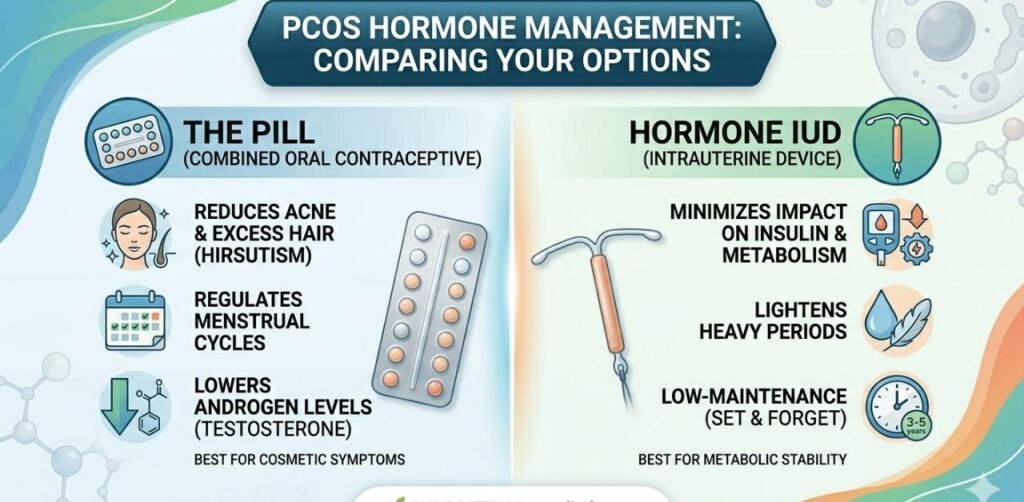
If you struggle with heavy, painful periods but have relatively clear skin, this might be the best birth control for PCOS for you. It protects your uterine lining without the systemic side effects of oral medication.
| Feature | Combined Pill | Hormonal IUD |
|---|---|---|
| Primary Benefit | Clears Acne | Lightens Periods |
| Metabolic Risk | Low to Moderate | Very Low |
| Maintenance | Daily Pill | Every 3-5 Years |
| Androgen Control | High | Low |
4. The Progestin-Only “Mini-Pill”
Some women cannot take estrogen due to health risks like blood clots or high blood pressure. In these cases, the mini-pill becomes the necessary choice.
Historically, the mini-pill was less effective for PCOS skin symptoms. However, newer versions like Slynd offer better cycle control. Consequently, it has become a popular alternative for women prioritizing safety over cosmetic improvements.
5. Potential Side Effects: What to Watch For
While these medications are helpful, they are not without risks. For instance, some users report mood swings, decreased libido, or mild weight gain. Moreover, oral contraceptives can deplete certain nutrients.
Nutrient Depletion Checklist
If you are on birth control, consider supplementing (after consulting your doctor) with:
- Magnesium: For better sleep and insulin function.
- B-Vitamins: To maintain energy levels and mood.
- Zinc: To support skin health and immune function.
Metabolic Nutrients for PCOS
Oral contraceptives can act as “nutrient thieves.” For instance, they often deplete essential vitamins that your body needs to maintain insulin sensitivity. Consequently, women in the USA are increasingly looking for ways to replenish these stores naturally.
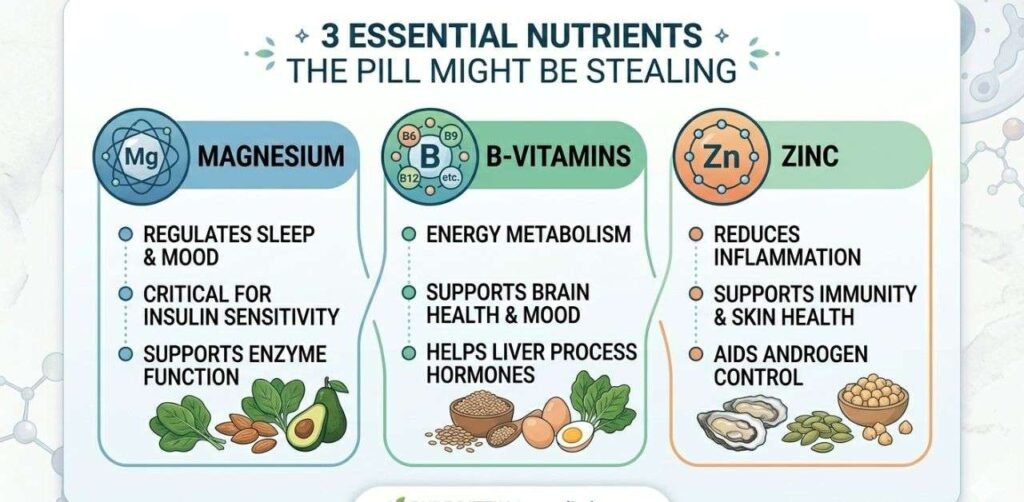
- B-Vitamin Complex: Vital for energy and mood regulation. Furthermore, it helps the liver process excess hormones.
- Magnesium: Known as the “relaxation mineral,” it plays a critical role in over 300 enzymatic reactions. Moreover, it is essential for glucose control.
- Zinc: Often depleted by the pill, zinc is crucial for reducing inflammation and maintaining clear skin.
Comparing Birth Control to Natural Insulin Sensitizers
Many women wonder if they can manage PCOS without hormonal intervention. While the best birth control for PCOS provides immediate symptom relief, natural sensitizers like Inositol address the root cause.
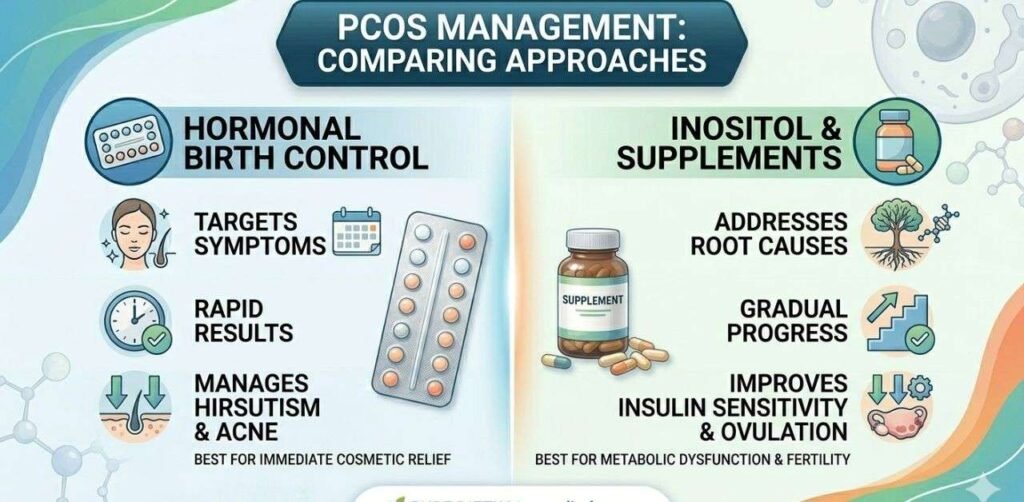
In a comparative study, Inositol was shown to be as effective as some medications for restoring ovulation. However, birth control remains superior for immediate acne control. Therefore, a combination of bothunder medical supervision—is often the most holistic approach for the modern woman.
6. Integrating Lifestyle with Birth Control
Birth control is a bandage, not a cure. To truly master your PCOS, you must address the metabolic root. For example, focusing on a high-protein, low-glycemic diet can enhance the effectiveness of your medication.
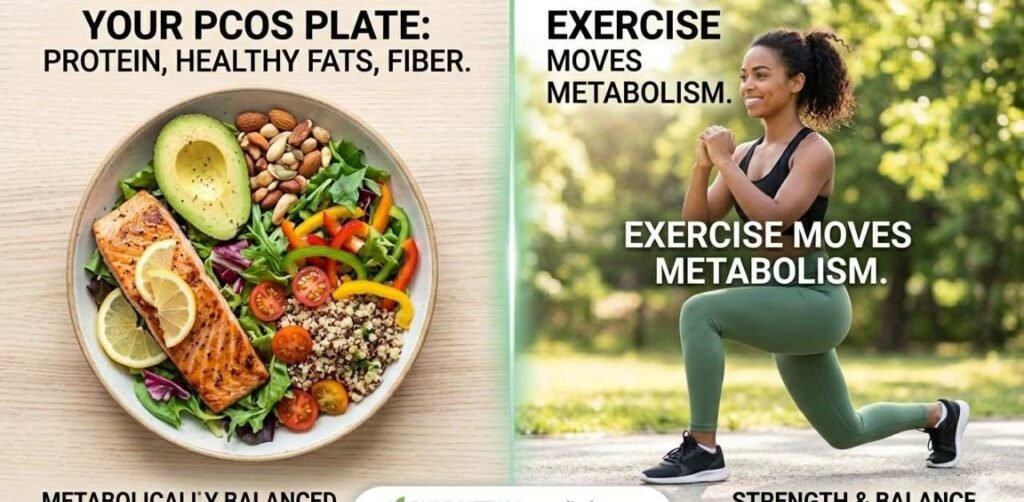
Additionally, regular strength training helps your muscles use glucose more efficiently. This creates a synergistic effect with your birth control, leading to better weight management and clearer skin.
Ready to Check Your Levels?
Use our Free Diabetic Calculators to track your A1C, Sugar Spikes, and Fasting Progress.
OPEN ALL CALCULATORS ➔Fast • Accurate • Free for Puredietly Readers
7. Frequently Asked Questions (FAQs)
Will birth control make my PCOS weight gain worse?
Actually, most modern pills are weight-neutral. However, some people may experience increased appetite or water retention.
Can I take birth control if I have insulin resistance?
Yes, but you should choose a low-androgen index pill. Furthermore, stay active to keep your insulin sensitivity high.
What is the best birth control for PCOS acne?
Generally, combined pills containing Drospirenone or Norgestimate are the most effective for clearing skin.
- Does PCOS birth control cause weight gain?
- Actually, research shows that most modern low-dose pills are weight-neutral. Nevertheless, some women may experience temporary water retention or increased appetite.
- How long does it take to see results?
- Generally, it takes about three to six months for your skin and hair to show significant improvement. Patience is key when adjusting to new hormonal levels.
- Can I switch brands easily?
- Yes, but you should consult your doctor first. Specifically, switching from an older progestin to a newer one (like Drospirenone) might require a transition period.
Conclusion: Your Journey to Balance
In summary, the best birth control for PCOS is the one that aligns with your specific symptoms and metabolic goals. Whether you choose the combined pill for skin or an IUD for convenience, remember that your lifestyle choices provide the foundation for your success. Always consult with a healthcare provider in the USA to discuss your family history and metabolic profile before starting any hormonal treatment.
✍️ About the Author
Gohar Fatima is a dedicated Metabolic Health Researcher and the founder of Pure Dietly. With a deep passion for nutritional science and endocrine health, Gohar focuses on bridging the gap between complex clinical research and actionable lifestyle strategies. Her work empowers women to take control of their metabolic health through data-driven insights on insulin resistance, hormonal balance, and sustainable wellness. When she’s not analyzing the latest health studies, Gohar is committed to building a community focused on transparent and “zero-fluff” metabolic biohacking.
🩺 Medical Disclaimer
Disclaimer: The information provided on Pure Dietly, including text, graphics, and images, is for informational and educational purposes only. It is not intended to be a substitute for professional medical advice, diagnosis, or treatment. Always seek the advice of your physician or other qualified health provider with any questions you may have regarding a medical condition or hormonal treatment. Never disregard professional medical advice or delay in seeking it because of something you have read on this website.