
Editor’s Note
Note from Gohar: This guide is part of our 2026 PureDietly Audit. While most USA health blogs call them a “superfood,” we analyzed the lectin count and mineral absorption to ensure they fit your metabolic goals. At PureDietly, we believe every seed should work for your insulin, not against it. — Gohar, Lead Researcher
Introduction
Walking through a USA grocery store, you’ll find these tiny seeds on everything from burger buns to gourmet salads. But for someone focused on gut health and blood sugar, the big question remains: are sesame seeds good for you? In this 2026 audit, we move beyond the basic vitamins. We look at how these seeds interact with your insulin and whether their “anti-nutrients” are stalling your progress.
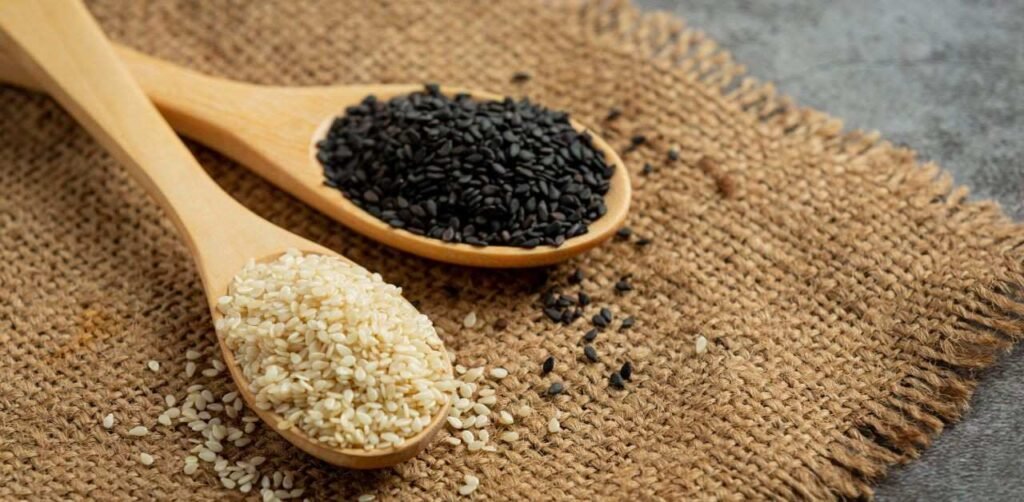
Despite their small size, sesame seeds carry a heavy nutritional load. However, in the modern food landscape, “natural” doesn’t always mean “safe” for everyone. Whether you are managing Celiac disease, tracking your A1C, or trying to heal a leaky gut, understanding the molecular structure of what you eat is the first step toward a [Metabolic Reset].
1. The Nutrient Density vs. Absorption Trap
Sesame seeds are packed with calcium and magnesium, but there is a catch. They contain oxalates and phytates, which can block mineral absorption if not handled correctly.
- Calcium King: They contain more calcium by weight than milk, supporting bone density.
- The Phytate Factor: Raw seeds can bind to minerals, making them hard to digest for those with sensitive guts.
- Metabolic Win: The healthy fats in sesame seeds help slow down the digestion of accompanying carbs.
- Copper & Manganese: These trace minerals are essential for collagen synthesis and skin elasticity.
For many Americans, the problem isn’t a lack of nutrients, but the inability to absorb them. Raw sesame seeds can pass through the digestive tract completely undigested, providing zero benefits. This is why the “how” of eating is just as important as the “what”.
2. Black vs. White Sesame: The 2026 Comparison
Most shoppers wonder which variety to pick. While both are nutritious, their antioxidant profiles differ significantly.

| Feature | White Sesame Seeds | Black Sesame Seeds |
| Antioxidant Level | Moderate | Very High (Anthocyanins) |
| Flavor Profile | Mild / Nutty | Earthy / Bitter |
| Best For | Baking & Garnishing | Medicinal / Longevity |
| Metabolic Impact | Stable | Superior (Lower Oxidative Stress) |
Black sesame seeds are unhulled, meaning they retain their outer skin. This skin contains the majority of the fiber and the powerful antioxidant anthocyanin. If you are targeting anti-aging or skin health, the black variety is the clear winner in our 2026 audit.
3. The Hormone & Heart Connection
For our audience focused on metabolic health, sesame seeds offer a unique compound called Sesamin. This lignan helps lower cholesterol and may balance hormones in postmenopausal women.

- Lignan Power: Sesamin and sesamolin are specific fibers that block the absorption of dietary cholesterol.
- Blood Pressure: The high magnesium content acts as a natural vasodilator, relaxing blood vessels.
- Hormonal Balance: Phytoestrogens in sesame seeds can help mimic estrogen safely, which is vital for women’s metabolic health.
However, if you are struggling with [SIBO and Candida overgrowth], the high fiber content requires a specific preparation protocol to avoid bloating. Excessive fiber in an inflamed gut can lead to fermentation, which feeds the “bad” bacteria.
4. Deep Dive: The Lecithin and Fat Profile
Many people ask, “are sesame seeds good for you if you are on a low-fat diet?” The answer lies in the type of fat. Sesame seeds are roughly 50% oil, mostly healthy monounsaturated and polyunsaturated fats.
These fats are essential for brain health and cell membrane integrity. Furthermore, sesame seeds contain lecithin, a fatty substance that helps the liver process fats and keeps cholesterol from sticking to your arteries. This makes them a “heart-smart” fat choice when compared to processed vegetable oils.
5. USA Grocery Watch: Sourcing & Rancidity
In the United States, sesame seeds are often stored in bulk bins for months. This is a major red flag for your metabolic health.

- Oxidization Risk: Because they are high in polyunsaturated fats, they can go rancid quickly.
- The Smell Test: Always smell your seeds; a “paint-like” or “sour” odor means they are toxic to your cells.
- Storage Tips: Store your seeds in glass containers in the refrigerator to preserve the delicate oils.
- The “Oatnut” Link: Many “healthy” breads, similar to those in our [Oatnut bread metabolic audit], use sesame seeds primarily for decoration rather than therapeutic doses.
6. The “Soak & Toast” Safety Protocol
To ensure are sesame seeds good for you in your daily routine, you must neutralize the anti-nutrients. “This is a core strategy in our metabolic optimization framework…

- Soaking (4-8 Hours): This activates the seed and reduces phytic acid, allowing your body to actually “grab” the calcium and magnesium.
- Rinsing: Wash away the dusty residue and released inhibitors.
- Toasting: Lightly heat them on low flame to break down oxalate structures and improve the nutty flavor.
- Grinding: Whole seeds often pass through the gut. Use them as “Tahini” or ground meal to access the oil-soluble nutrients.
7. Metabolic Ranking: How They Compare
How do they stack up against other grains and seeds we’ve audited at PureDietly?

- Vs. Buckwheat: Sesame has more fat/protein but fewer carbs. If you are keto-leaning, sesame wins. See our [Is Buckwheat Gluten Free?] audit for the carb comparison.
- Vs. Wheat: Unlike the triggers found in our [Wheat Nutritional Audit], sesame is 100% gluten-free and metabolic-friendly.
- Vs. Flax Seeds: Sesame seeds are higher in calcium, while flax is higher in Omega-3s. Combining them is a metabolic power move.
8. Potential Side Effects: What to Watch For
While generally safe, there are three main concerns we noted in our 2026 safety audit:
- Allergies: Sesame is now one of the top 9 allergens in the USA. Always test with a small amount first.
- Diverticulitis: For those with active gut pockets, small whole seeds can get trapped and cause inflammation. Grinding them into tahini is the fix.
- Caloric Density: Because they are 50% fat, eating a cup of seeds can quickly exceed your daily energy needs. Stick to 1-2 tablespoons per serving.
9. FAQ: Your Sesame Questions Solved
Q: Can I eat sesame seeds raw?
Ans: You can, but you won’t absorb most of the nutrients, and the phytic acid might cause mild bloating.
Q: Are sesame seeds keto-friendly?
Ans: Yes! They are very low in net carbs and high in healthy fats, making them perfect for a ketogenic or low-carb lifestyle.
Q: Do they cause inflammation?
Ans: No. In fact, the sesamin in the seeds is highly anti-inflammatory, provided the seeds aren’t rancid.
Conclusion
So, are sesame seeds good for you? Yes, but they aren’t just a garnish. They are a potent medicinal food that requires proper preparation. By choosing black seeds and following our “Soak & Toast” method, you can enjoy their bone-strengthening benefits without the digestive stress.
Ready to optimize your sugar-free lifestyle?
[Open Diabetic Meal Planner & Carb Calculator]
Plan your next 2026 metabolic-friendly meal in seconds.
Ready to optimize your sugar-free lifestyle?
🥗 Open Diabetic Meal Planner & Carb CalculatorPlan your next 2026 metabolic-friendly meal in seconds.
About the Author: Gohar Fatima
Metabolic Researcher & Digital Entrepreneur
Gohar Fatima is a professional SEO researcher and digital health entrepreneur dedicated to transforming complex nutrition data into actionable health guides. “Utilizing advanced SEO research methodologies and metabolic health frameworks…”, she provides the USA health community with in-depth “Metabolic Audits” on sugar substitutes and gluten-free grains via puredietly.com. Her mission is to empower readers to discover their personal tolerance thresholds and achieve optimal gut health.
Medical Disclaimer:
The information provided on puredietly.com is for educational purposes only and does not substitute for professional medical advice. Always consult with a healthcare provider before making significant dietary changes.