
By Gohar Fatima | Metabolic Health Researcher at PureDietly
Editor’s Note
“At PureDietly, we audit how environmental and dietary triggers disrupt your cellular energy. This 2026 Gut Audit explores why the low histamine diet is the ‘missing piece’ for Americans struggling with mystery bloating, brain fog, and insulin resistance that standard diets fail to fix.”
Introduction: The Silent Metabolic Disruptor
In the health hubs of Austin, NYC, and Los Angeles, a new conversation is shifting from ‘counting calories’ to ‘counting triggers.’ You might be eating a “perfect” diet of spinach, avocados, and fermented yogurt, yet you still feel exhausted, bloated, or itchy.
The culprit? Histamine.
While histamine is essential for your immune system, an “overflowing histamine bucket” can lead to chronic systemic inflammation. In this 2026 audit, we break down how a low histamine diet can reset your metabolism, clear your skin, and finally stabilize your energy levels.
1. Understanding the “Histamine Bucket” Theory
Histamine is a biogenic amine that acts as a neurotransmitter and immune messenger. However, your body must balance its production with its breakdown, primarily through an enzyme called Diamine Oxidase (DAO).
Many Americans suffer from DAO deficiency due to gut health issues or genetics. Imagine your body is a bucket. Every time you eat aged cheese or spinach, you add a drop. If your DAO enzyme isn’t “emptying” the bucket fast enough, it overflows.

Common “Overflow” Symptoms in the USA Lifestyle:
- Neurological: Migraines after meals and “brain fog.”
- Dermatological: Random hives or “flushing” after a glass of wine.
- Metabolic: Stubborn water retention and puffiness.
- Digestive: Instant bloating that makes you look four months pregnant after lunch.
2. The 2026 Food Audit: High vs. Low Histamine
Google often sees outdated lists. In 2026, we categorize foods based on their Metabolic Stability. Freshness is the most important factor—histamine grows on food the longer it sits.
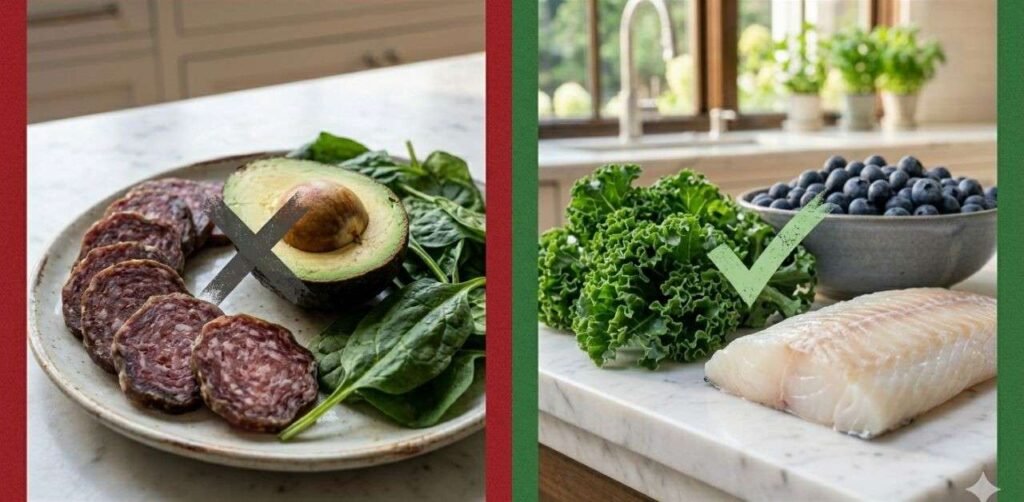
The “Red List” (High Histamine – Temporary Pause)
These foods are metabolic powerhouses for some, but triggers for those with intolerance:
- Fermented Everything: While our [Kefir Benefits] audit praises its probiotics, it’s a no-go during a histamine flare.
- Aged & Processed Meats: Salami, pepperoni, and even aged steaks.
- Nightshades: Specifically tomatoes and eggplant.
- Spinach & Avocado: The “healthy” staples that often trigger flares.
The “Green List” (Metabolic Audit Pass)
These foods are safe, anti-inflammatory, and support enzyme production:
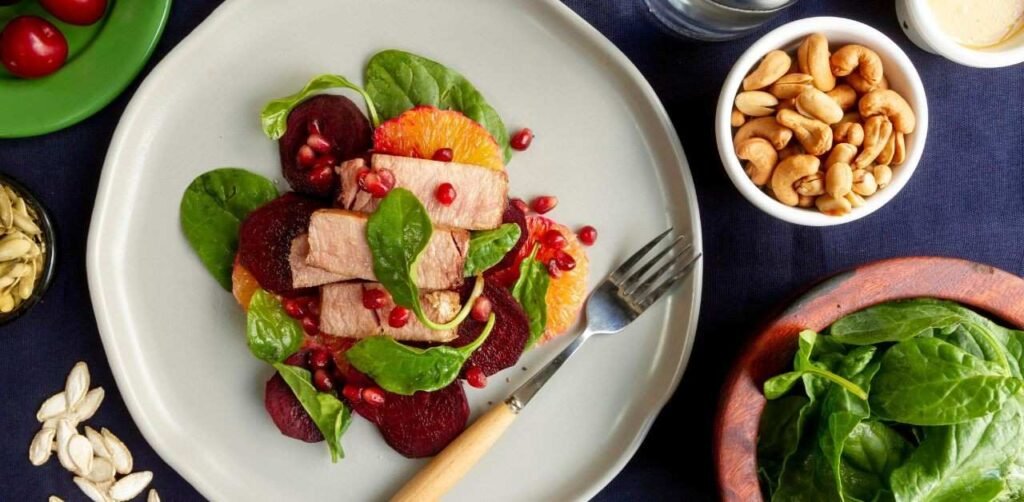
- Freshly Caught Fish: Stick to white fish or low-mercury options like our audited [Listao Tuna] (must be frozen immediately after catch).
- Low-Glycemic Vegetables: Asparagus, kale, zucchini, and onions (onions contain Quercetin, a natural antihistamine).
- Complex Seeds: Anti-inflammatory fats like [Chia Seeds] are excellent buffers.
- Herbal Support: Healing brews like [Chamomile Tea] help calm the nervous system.
| Food Group | High Histamine (Avoid) | Low Histamine (Audit Pass) |
| Proteins | Canned fish, Aged beef, Shellfish | Fresh chicken, Eggs, Fresh Listao Tuna |
| Vegetables | Spinach, Tomato, Sauerkraut | Kale, Zucchini, Broccoli, Onions |
| Fruits | Citrus, Strawberries, Avocado | Blueberries, Mango, Pears, Apples |
| Grains | Wheat (for some), Soy | Rice, Quinoa, [Gluten Meat] (if fresh) |
3. The Insulin Connection: Why Histamine Matters for Weight Loss
Furthermore, histamine isn’t just about allergies; it’s about hormones. When your histamine bucket overflows, your body releases Cortisol to fight the inflammation.
High cortisol is the primary driver of insulin resistance. Consequently, your body stays in “storage mode,” holding onto visceral fat around the midsection. By following a low histamine diet, you lower the systemic stress on your adrenals. This allows your insulin levels to drop, finally enabling the fat-burning pathways we discuss in our [Carb Calculator] protocols.
4. PureDietly’s 3-Step “Reset” Protocol
To master the low histamine diet, USA consumers need a practical, fast-paced strategy.
Step 1: The Freshness Audit
Stop meal prepping for the whole week. Histamine levels rise on leftovers in the fridge. Instead, cook in small batches and freeze what you don’t eat immediately. Thawing at the last minute is a metabolic game-changer.
Step 2: The Enzyme Support
Focus on foods high in Vitamin B6, Vitamin C, and Copper. These are the co-factors your body needs to produce the DAO enzyme.
- Tip: A squeeze of fresh apple juice (not citrus!) over your kale can boost Vitamin C without the histamine spike.
Step 3: Meal Planning & Tracking
Use a specialized tool like our [Meal Planner & Carb Calculator] to ensure you aren’t accidentally stacking too many moderate-histamine foods in one day.
Ready to optimize your sugar-free lifestyle?
🥗 Open Diabetic Meal Planner & Carb CalculatorPlan your next 2026 metabolic-friendly meal in seconds.
5. Semantic Analysis: The Gut-Brain-Histamine Axis
To achieve topical authority, we must address Mast Cell Activation Syndrome (MCAS). Sometimes, it’s not just the food; it’s your cells being “hyper-sensitive.”
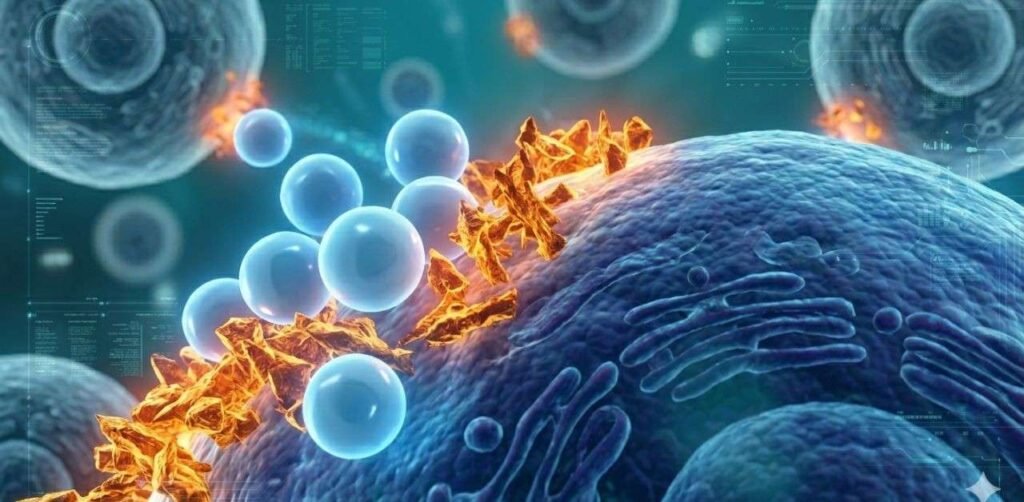
Environmental toxins (like those found in some [Fast Food Audits]) can prime your mast cells to explode with histamine at the slightest trigger. Supporting your gut lining is essential. This is why we often recommend a transition period:
- Clear the triggers (Low Histamine Diet).
- Repair the lining (L-Glutamine and Collagen).
- Reintroduce slowly (Starting with small amounts of yogurt or kefir).
6. USA Grocery Guide: Buying Smart in 2026
Shopping in the USA requires reading between the lines. Many “natural flavors” in processed foods are hidden histamine triggers.
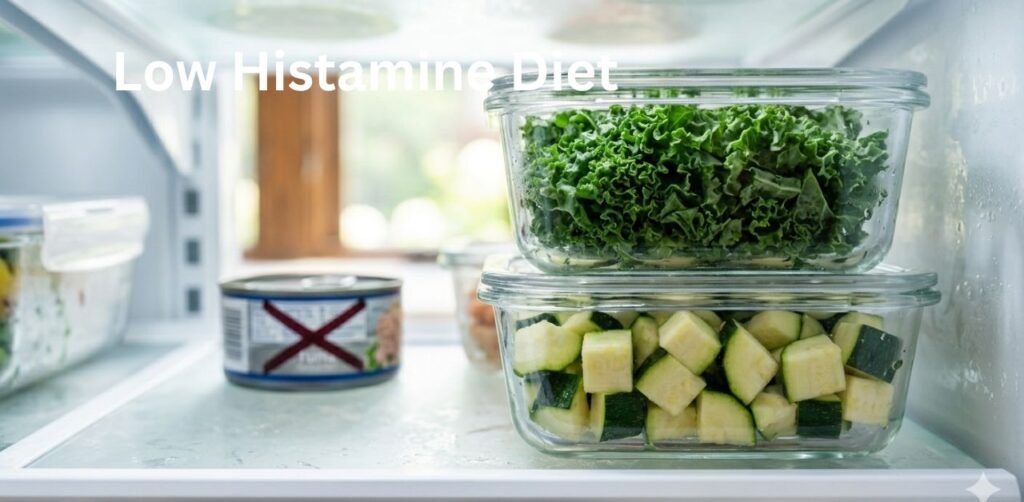
- Avoid Canned Foods: The canning process is a breeding ground for histamine.
- The Freezer is Your Friend: Buy “Flash Frozen” wild-caught fish and organic poultry.
- Smart Swaps: Swap your morning black tea (high histamine) for a fresh herbal infusion. Use pure Himalayan pink salt instead of table salt to avoid anti-caking agents that might irritate the gut.
7. Potential Side Effects: What to Expect
Transitioning to a low histamine diet can initially feel restrictive.
- The “Social Challenge”: Eating out in America is hard on this diet. Most restaurants use pre-prepped ingredients.
- Temporary Fatigue: As your body stops relying on the “stress high” of histamine inflammation, you might feel tired for 3-4 days. This is your nervous system finally relaxing.
8. FAQ: Answering the Community’s Questions
Q: Is the low histamine diet permanent?
Ans: No. It is an audit tool. Once your “bucket” is empty and your gut is healed, most people can reintroduce many high-histamine foods in moderation.
Q: Can I use honey as a sweetener?
Ans: Yes! Fresh, raw honey is a great low-histamine alternative to artificial sweeteners that can disrupt the microbiome.
Q: How does this diet affect my workouts?
Ans: High-intensity exercise can actually release histamine. If you are in a flare, stick to low-impact movement like walking or swimming until your levels stabilize.
Conclusion: The Verdict on Cellular Harmony
The low histamine diet is more than just a list of foods; it’s a path to metabolic silence. In a world full of inflammatory noise, auditing your histamine intake allows your body to heal from the inside out. By prioritizing freshness and understanding your biological limits, you aren’t just losing weight—you are gaining a more resilient, energetic version of yourself.
About the Author
About the Author Gohar Fatima is a metabolic health researcher and founder of PureDietly. She specializes in deep-dive audits of modern diets, helping the global community achieve insulin stability through science-backed nutrition.
Medical Disclaimer
This content is for educational purposes. Always consult with a functional medicine practitioner or your primary doctor before starting a restrictive elimination diet.