
Editor’s Note
Editor’s Note At PureDietly, we believe that true metabolic health is not found in temporary trends, but in the consistent application of nutritional science. The strategies outlined in this article are part of our ongoing “2026 Metabolic Audit” series, where we deep-dive into the hormonal and chemical impacts of various food groups. This content is meticulously researched and periodically updated to reflect the latest findings in metabolic studies, ensuring that our readers have access to the most accurate, reliable, and “metabolically intelligent” information available.
Achieving your fitness goals often feels like a constant battle against hunger, fatigue, and overwhelming information. Many people embark on a calorie deficit diet plan only to find themselves trapped in a vicious cycle of brain fog, irritability, and late-night cravings. At PureDietly, we believe that sustainable weight loss isn’t about rigid restriction; it’s about mastering metabolic intelligence. By understanding how your body utilizes energy at a cellular level, you can create a deficit that supports your long-term vitality instead of compromising your health.
Understanding the Metabolic Deficit
A calorie deficit occurs when your body utilizes more energy (expenditure) than it receives from food (intake), forcing it to draw upon stored adipose tissue (body fat) for fuel. However, the quality of those calories dictates your hormonal and metabolic response. Cutting calories too drastically without considering nutrient density can trigger a survival response, slowing down your Basal Metabolic Rate (BMR) and causing long-term fatigue.

- Prioritize Nutrient Density: Your body requires a high concentration of vitamins and minerals to maintain metabolic processes while in a deficit.
- Protein is Priority: Increasing protein intake is non-negotiable; it helps preserve lean muscle mass, ensuring your metabolic engine stays active even as you shed fat.
- Fiber for Fullness: High-fiber foods naturally slow gastric emptying, which prevents the rapid insulin spikes that lead to hunger-driven dietary lapses.
The PureDietly “Metabolic-First” Structure
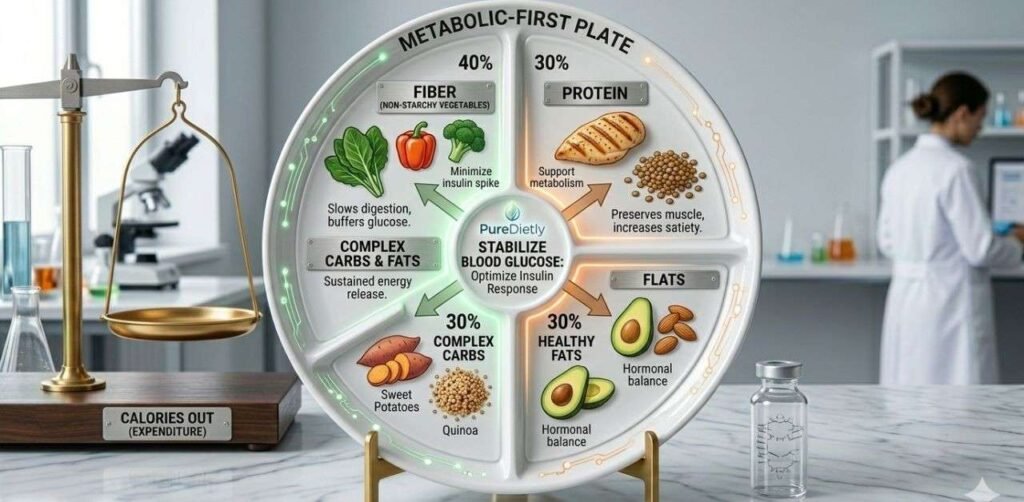
To maintain a successful calorie deficit diet plan, we utilize a structure that prioritizes blood glucose stability. When your blood sugar is steady, your body can access stored fat more efficiently, preventing the dreaded “afternoon slump” often associated with conventional low-calorie diets.
| Meal Type | Nutrient Focus | Metabolic Benefit |
| Breakfast | High Protein/Fat | Stabilizes early-day cortisol and energy. |
| Lunch | Volume-Rich Greens | Micronutrient density & gut microbiome support. |
| Snack | Fiber & Healthy Fats | Prevents evening glucose dips & overeating. |
| Dinner | Complex Carbs/Protein | Supports serotonin production & overnight recovery. |
7-Day Metabolic Framework
Consistency is the cornerstone of metabolic success. Use this framework to design a calorie deficit diet plan that adapts to your hunger cues rather than forcing a one-size-fits-all limit.

- Monday: Scrambled eggs with organic spinach; Quinoa salad with chickpeas; A handful of raw almonds.
- Tuesday: Full-fat Greek yogurt with chia seeds; Lentil soup with lemon; Steamed broccoli with grilled chicken breast.
- Wednesday: Smashed avocado on sprouted grain bread; Mixed green salad with hemp seeds; Baked wild-caught salmon with asparagus.
- Thursday: Protein-rich smoothie with berries; Turkey wrap with bell peppers; Raw pumpkin seeds.
- Friday: Chia seed pudding with flax; Black bean bowl with fresh homemade salsa; Lean beef stir-fry with zucchini and garlic.
- Saturday: Omelet with onions and peppers; Hearty lentil curry; Grilled tofu with bok choy.
- Sunday: Leftover roasted root vegetables; Chickpea and cucumber salad; Nourishing bone broth soup.
Integrating Glycemic Index & Nutrition
As an independent metabolic researcher, I advocate for shifting the focus from “counting calories” to “controlling glycemic impact.” Our Glycemic Index & Nutrition category at PureDietly focuses on foods that score low on the GI scale. When you consume foods that cause slow, steady glucose release, you effectively reduce the workload on your pancreas and improve insulin sensitivity. This is the “secret sauce” for staying in a calorie deficit without feeling hungry.
Auditing Your “Food-Mood-Energy” Response
Instead of viewing food solely as a number, start auditing your “Food-Mood-Energy” response. When following a calorie deficit diet plan, record how you feel exactly 30 to 60 minutes after your meals.
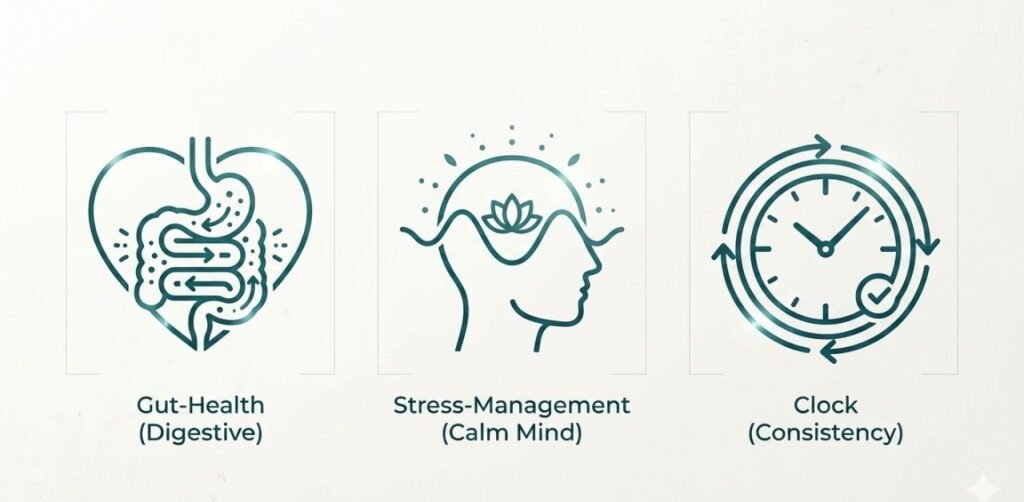
If your energy drops shortly after eating, you may be consuming too many refined carbohydrates or missing critical micronutrients. The objective is to build habits that last a lifetime. Your body is a complex, data-driven system; treat it with the respect it deserves by listening to these internal signals.
Strategic Habits for Metabolic Success
Weight loss is rarely a linear journey. Your lifestyle choices influence your body’s ability to maintain a calorie deficit diet plan without hitting a plateau.
- Prioritize Sleep: Inadequate sleep elevates cortisol levels, a primary driver of abdominal fat retention and increased hunger cues.
- Manage Stress: Chronic stress hampers digestion and nutrient assimilation, making it significantly harder to feel satisfied on restricted calories.
- Strategic Hydration: Often, the brain confuses dehydration for hunger signals; ensure you are hydrated before reaching for a snack.
- Consistency (The 80/20 Rule): Focus on the 80/20 rule—adhere to your metabolic plan 80% of the time, and allow for flexibility the remaining 20% to prevent psychological burnout.
Overcoming Plateaus
Plateaus are a normal part of the metabolic adaptation process. If your progress stalls, try these adjustments rather than further restricting your food intake:
- Increase NEAT: Focus on Non-Exercise Activity Thermogenesis, such as walking more throughout the day. This keeps the metabolism elevated without adding the physical stress of intense cardio.
- Calorie Cycling: Introduce a “refeed” day where you consume calories at your maintenance level. This can signal to your endocrine system that it is safe to maintain a high metabolic rate.
- Check Fiber Intake: If you are experiencing digestive discomfort, your microbiome might need more diversity, which in turn improves nutrient absorption efficiency.
Frequently Asked Questions (FAQs)
Q: How fast should I lose weight on a calorie deficit diet plan?
A: Sustainable weight loss is generally considered 0.5 to 2 pounds per week. Losing weight too rapidly can lead to muscle loss and a long-term metabolic slowdown.
Q: Can I eat “cheat meals” while in a calorie deficit?
A: Yes, the “80/20 rule” is essential for long-term consistency. Including foods you enjoy helps prevent the psychological “deprivation” that often leads to abandoning a diet plan entirely.
Q: How do I know my BMR to start a calorie deficit?
A: Your Basal Metabolic Rate (BMR) is the energy your body needs at rest. You can estimate this using online calculators, but remember it is only a starting point. Adjust your intake based on your actual “Food-Mood-Energy” data over two weeks.
The Role of Micronutrients
While macronutrients (proteins, fats, carbs) provide the fuel, micronutrients (vitamins and minerals) are the “spark plugs” of your metabolism. A calorie deficit diet plan that is low in variety can lead to micronutrient deficiencies, which contribute to fatigue, cravings, and poor recovery. Focus on a “rainbow” of colorful vegetables and varied protein sources to ensure your metabolic processes are fully supported during your weight loss phase.
Final Thoughts on Long-Term Vitality
Embarking on a calorie deficit diet plan is a proactive step toward better metabolic health. By prioritizing nutrient density, monitoring your internal energy data, and keeping your habits consistent, you can reach your weight goals while feeling vibrant. As you continue this journey, listen to your body’s signals—it is the most accurate data source you have. For more evidence-based strategies, explore our Ultimate High-Fiber Food Guide to further optimize your metabolic efficiency.
About the Author (Author Bio)

About the Author: Gohar Fatima Gohar Fatima is a professional content writer, digital entrepreneur, and independent metabolic health researcher. As the founder of PureDietly, she is dedicated to decoding the complexities of nutritional science and metabolic health to help readers achieve sustainable wellness. Gohar focuses on evidence-based strategies—ranging from Glycemic Index analysis to technical SEO-optimized content—to provide actionable, data-driven health insights. Her work aims to bridge the gap between scientific research and everyday healthy living, empowering her audience to optimize their metabolic efficiency through informed dietary choices.
Medical Disclaimer
Medical Disclaimer The information provided by PureDietly and Gohar Fatima is for educational and informational purposes only and does not constitute professional medical advice, diagnosis, or treatment. The content provided here is not intended to replace the advice of your physician or other qualified healthcare provider. Always seek the advice of your doctor or other qualified health provider with any questions you may have regarding a medical condition or before implementing any new diet, exercise, or nutritional plan. Never disregard professional medical advice or delay in seeking it because of something you have read on this website. Reliance on any information provided here is solely at your own risk.