“All information shared on PureDietly is grounded in research and independent metabolic health analysis. Our mission is to provide you with high-quality, evidence-based insights into nutritional optimization and metabolic flexibility. This content is intended for informational purposes only, empowering you to make informed decisions regarding your personal health journey. We encourage you to audit your body’s response to these nutritional strategies and consult with a qualified professional for personalized medical advice.”
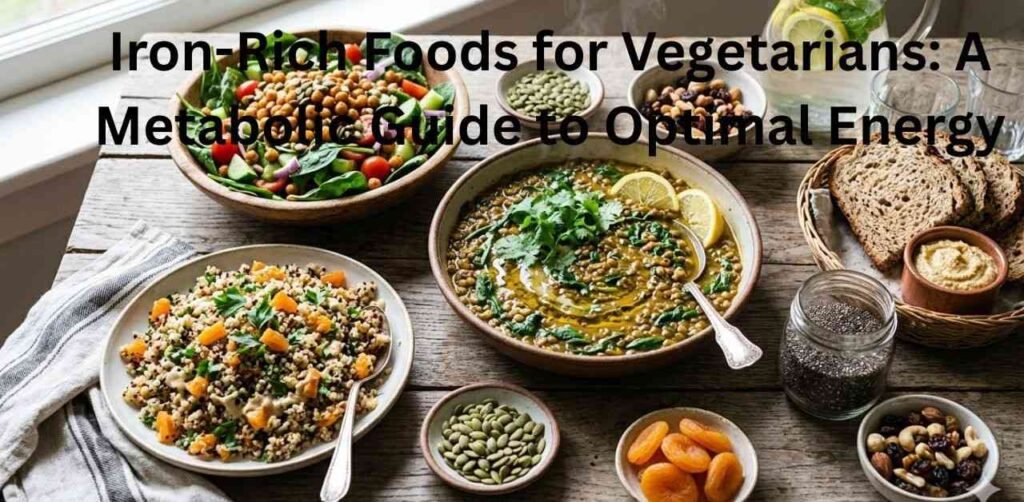
If you are following a vegetarian lifestyle, you might often wonder if you are getting enough iron-rich foods for vegetarians to fuel your daily energy needs. Iron is a vital mineral that plays a central role in your metabolic health, primarily by transporting oxygen throughout your body to create energy. While plant-based iron, known as non-heme iron, is slightly different from the heme iron found in animal products, it is absolutely possible to maintain optimal levels with smart, intentional food choices. By choosing the right sources, you aren’t just preventing deficiency; you are actively supporting your metabolic flexibility and systemic health.
Understanding the Science: Heme vs. Non-Heme Iron
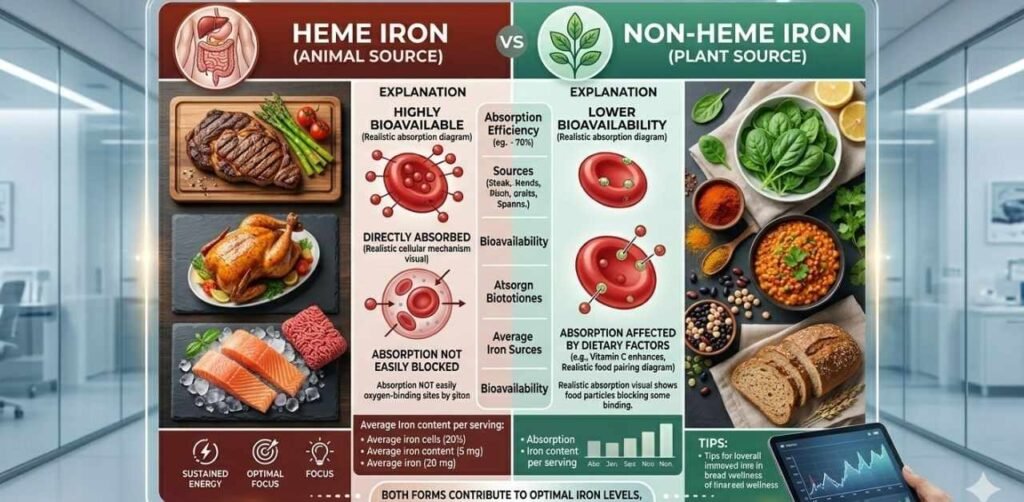
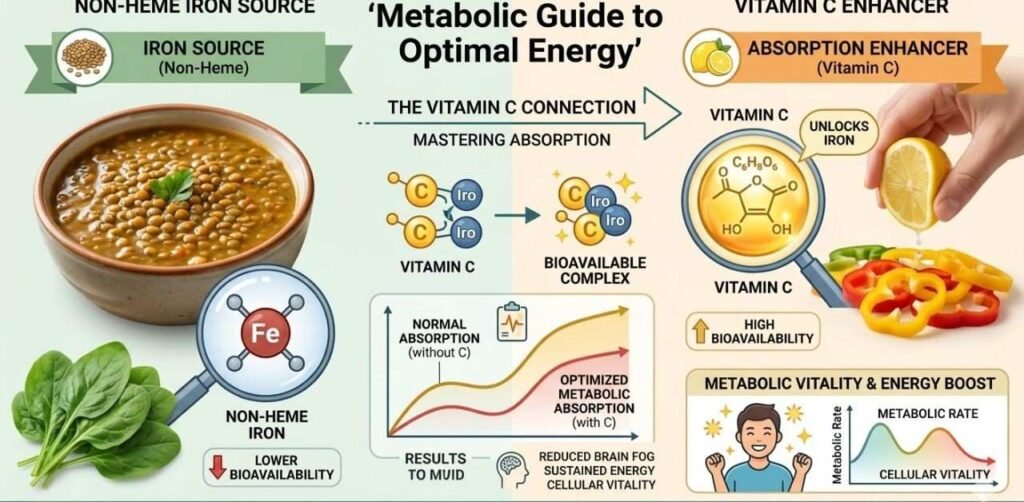
Iron exists in two distinct forms in the human diet. Heme iron is primarily found in animal-based foods and is generally easier for the body to absorb. Conversely, non-heme iron is the form found in plants, which is the primary source for vegetarians and vegans.
Because non-heme iron is slightly less bioavailable, the secret to maintaining your energy levels is not just eating these foods—it is mastering how to pair them with absorption enhancers. Think of Vitamin C as a metabolic “key” that unlocks the iron in your favorite plant-based meals, making it significantly more accessible for your body to use.
The “Iron-Energy” Metabolic Connection
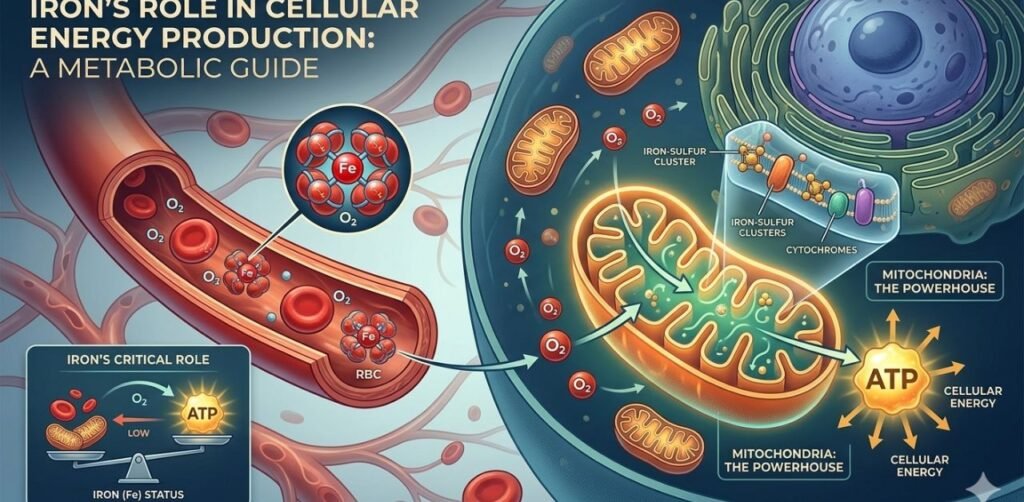
Iron serves as the fundamental transport mechanism for oxygen within your cells’ mitochondria. When your iron levels are insufficient, the mechanism your cells use to produce ATP the primary “energy currency” of the body slows down significantly. This is often the primary cause of the chronic fatigue or “brain fog” that many individuals experience throughout the day. As a metabolic researcher, I suggest that you look beyond simple iron blood test numbers; instead, monitor your body’s “Food-Mood-Energy” response to your daily intake. When you consistently incorporate iron-rich foods into your diet, you are doing more than just providing essential minerals you are actively boosting your overall metabolic efficiency.
Top Iron-Rich Foods for Vegetarians
To maximize your nutritional audit, aim to include a diverse variety of these sources in your daily meal plan.
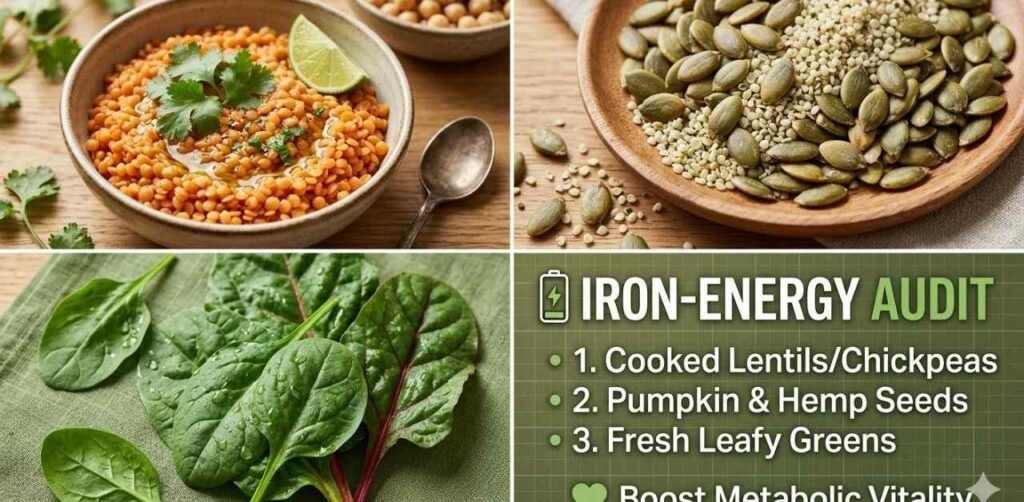
1. Legumes: The Metabolic Powerhouse
Legumes such as lentils, chickpeas, and black beans are essential staples for anyone managing their glycemic index.
Lentils: One cooked cup contains approximately 6.6mg of iron.
Chickpeas: These provide roughly 4.7mg per cooked cup.
Black Beans: A half-cup serving offers about 2mg of iron, while also providing fiber for gut health.
2. Seeds and Nuts: Small But Mighty
Seeds are an excellent way to boost your intake without adding heavy volume to your meals.
Pumpkin Seeds: These are a metabolic favorite, providing roughly 2.5mg of iron in a small 2-tablespoon serving.
Hemp Seeds: Beyond iron, these provide healthy fats that support brain health and satiety.
Flax and Chia Seeds: These seeds are not only rich in iron but also provide essential omega-3 fatty acids.
3. Dark Leafy Greens
Vegetables like spinach and Swiss chard are foundational to a health-conscious diet.
Spinach: While it contains iron, it is best eaten cooked to improve absorption.
Swiss Chard: A versatile green that fits perfectly into any metabolic-friendly dinner.
4. Fortified Whole Grains
For those who include grains, choosing the right types is crucial.
Quinoa: A complete protein that also serves as a steady source of plant-based iron.
Fortified Oats: Choosing steel-cut oats can ensure you get iron without the blood sugar spikes associated with refined cereals.
Quick Reference Table: Iron Density
Food Item
Serving Size
Iron (Approx. mg)
Key Metabolic Benefit
Cooked Lentils
1 Cup
6.6 mg
High fiber; low glycemic index impact.
Pumpkin Seeds
1/4 Cup
2.5 mg
Rich in magnesium; supports insulin sensitivity.
Spinach (Cooked)
1 Cup
6.4 mg
High in Vitamin K and antioxidants.
Chickpeas
1 Cup
4.7 mg
Excellent protein-to-carb ratio for satiety.
Quinoa
1 Cup
2.8 mg
Complete protein; gluten-free energy source.
Blackstrap Molasses
1 Tbsp
3.5 mg
High density iron; use sparingly due to sugar.
Mastering Absorption: The Vitamin C Connection
To truly optimize your intake, you must pair your iron-rich foods for vegetarians with Vitamin C-rich foods.
Pairing Tip 1: Add a squeeze of fresh lemon or lime juice to your lentil soup to drastically boost iron uptake.
Pairing Tip 2: Mix colorful bell peppers into your spinach salad, as peppers are incredibly high in Vitamin C.
Strategic Avoidance: Try to avoid drinking coffee or tea during your main meals, as the tannins in these drinks can hinder the absorption process.
Metabolic Impact & Auditing Your Intake
At PureDietly, we believe in auditing your internal data. If you feel consistently sluggish, tracking your iron-rich foods for vegetarians alongside your daily energy levels can reveal a lot about your metabolic needs. As discussed in our Ultimate High-Fiber Food Guide, small, consistent shifts in your diet are the foundation of long-term metabolic vitality.
When your digestion is sluggish, it can also impact your ability to absorb nutrients efficiently. Ensuring you have a healthy gut microbiome, as explored in our guide on Can Too Much Fiber Cause Constipation?, is essential for overall nutrient assimilation.
Lifestyle Habits for Better Iron Auditing
Iron absorption is not solely dependent on what you eat; it is deeply influenced by your daily lifestyle choices. Consider these habits to ensure your body is primed to absorb the nutrients you provide:
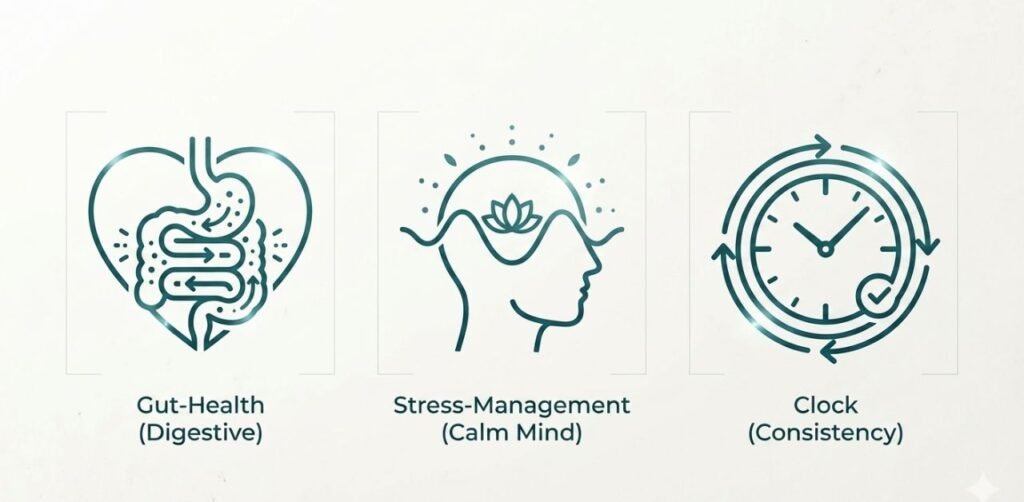
Prioritize Gut Health: If your gut microbiome is compromised—often manifesting as indigestion or persistent bloating—your body’s ability to absorb essential nutrients is significantly weakened. Always prioritize your digestive health, as a balanced gut is the foundation of efficient nutrient assimilation.
Manage Your Stress: Elevated stress levels can alter your body’s ability to utilize nutrients effectively. When your nervous system is calm, your digestive system operates optimally, allowing for better processing and absorption of the iron from your meals.
Consistency Over Intensity: Instead of attempting to consume massive amounts of iron in a single meal, focus on incorporating small, consistent sources throughout the day. This approach is not only more effective for steady iron levels but also helps maintain stable blood sugar and avoids unnecessary insulin spikes.
Add Seaweed Salad to your daily carb limit in 30 seconds!
Frequently Asked Questions (FAQs)
Can vegetarians easily get enough iron?
Yes, by eating a variety of beans, nuts, seeds, and greens consistently, you can meet your body’s requirements.
What blocks iron absorption?
High amounts of calcium supplements or tannins found in coffee and tea can hinder the process if consumed at the same time as iron-rich meals.
Should I track my iron intake?
Yes, using a “Food-Mood-Glucose” log helps you see how specific iron-rich meals impact your daily energy and metabolic state.
Final Thoughts: Building Long-Term Vitality
Health is not a destination but a continuous process of auditing your internal data and adjusting your habits to better serve your long-term vitality. By focusing on iron-rich foods for vegetarians and optimizing how you absorb them, you are taking a proactive step toward better metabolic health. Always remember to listen to your body’s signals—if you experience persistent fatigue or other concerns, do not hesitate to seek professional medical advice. Keep tracking your progress, stay hydrated, and continue optimizing for a healthier you!
Note: This content is for informational purposes only and does not constitute medical advice.
Author Bio
About the Author Gohar Fatima is a professional content writer, digital entrepreneur, and independent metabolic health researcher. Dedicated to simplifying complex nutritional science, Gohar founded PureDietly to provide evidence-based insights into glycemic index analysis, metabolic health, and the impact of food chemistry on long-term wellness. Through her work, she aims to bridge the gap between technical research and actionable health guidance for her readers.
Medical Disclaimer
This is essential for a site like PureDietly to manage liability.
Medical Disclaimer The content provided on PureDietly is for informational and educational purposes only and is not intended as a substitute for professional medical advice, diagnosis, or treatment. While the information shared is based on independent metabolic health research and nutritional science, it should not be interpreted as personalized medical counsel. Always seek the advice of your physician or another qualified health provider with any questions you may have regarding a medical condition. Never disregard professional medical advice or delay in seeking it because of something you have read on this website.