

Pure Juice Cleanse: Are Bottled Cold-Pressed Juices Secretly Wrecking Your Blood Sugar?
By Gohar Fatima | Published on August 27, 2026
Editor’s Note: At PureDietly, we believe that true metabolic wellness requires looking past trendy marketing labels. If you are reaching for bottled cold-pressed juices thinking they are a foolproof health elixir, you might be walking right into a hidden sugar trap.
Introduction: The Modern Weeknight Health Dilemma
Let’s face it: navigating a busy American work week leaves very little energy for standing over a kitchen counter. By the time you commute home, answer late evening emails, and manage your household responsibilities, finding healthy nutrition feels exhausting. At this exact moment, walking into a trendy grocery store and grabbing a sleek bottle of pure juice looks dangerously tempting. You want something fast, refreshing, and deeply nourishing without having to wash a mountain of blenders and cutting boards afterward.
However, giving in to commercial bottled beverages usually means consuming massive loads of natural fruit sugars without the structural protection your digestion desperately needs. Consequently, you might experience sudden energy crashes that wreck your afternoon productivity. But what if you could understand the exact physiological mechanics behind these drinks and choose options that truly support your wellness goals?
Fortunately, you do not have to give up convenience to eat clean. By evaluating ingredient labels carefully, you can master your liquid nutrition and enjoy a delicious pure juice right without falling into hidden diet traps.
1. Why Bottled Juices Derail Your Metabolic Health
To understand why commercial beverages require caution, we must look closely at what happens during industrial extraction. Traditional cold-pressed brands market their products as liquid gold. However, the juicing process strips away the vital dietary fiber from whole produce.
When you consume these strained liquids rapidly, your blood glucose levels skyrocket within minutes. In response, your pancreas releases a massive wave of insulin to clear that sugar. This triggers a sharp crash that leaves you exhausted and irritable. Therefore, choosing a smart pure juice option means understanding how fiber impacts your glycemic load. You can learn more about managing these fluctuations by visiting our [The Glucose Revolution: 5 Proven Hacks to Stop Energy Crashes & Balance Your Blood Sugar] guide.
2. The Psychology of Liquid Marketing: How Brands Mask Hidden Sugars
Have you ever wondered why certain bottled beverages instantly catch your eye on grocery shelves? Commercial food manufacturers spend millions of dollars designing packaging that utilizes earthy tones, minimalist typography, and wellness buzzwords like “raw,” “detox,” or “cleanse.”
- The Halo Effect: When consumers see an image of fresh kale, crisp apples, and juicy lemons on a label, the brain instantly assumes the entire bottle shares the exact health profile of whole produce.
- The Serving Size Illusion: Many commercial bottles contain 16 ounces of liquid but list nutritional information based on a misleading 8-ounce serving size. Consequently, you end up consuming double the calories and fructose without realizing it.
- The Psychological Trap: Because liquid is easy to consume on the go, our brains fail to register satiety signals the same way they do when we chew solid food. Therefore, recognizing these clever marketing tactics helps you stay in control of your daily metabolic health.
3. Nutritional Comparison: Whole Produce vs. Bottled Pure Juice
To help you visualize the massive physiological difference between eating whole fruits and drinking strained extracts, review the detailed breakdown below:

| Nutritional Factor | Whole Fruits and Vegetables | Bottled Commercial Pure Juice | Physiological Impact |
| Dietary Fiber | High and intact | Virtually zero | Accelerates or slows sugar absorption |
| Fructose Load | Balanced naturally | Highly concentrated | Triggers rapid blood sugar spikes |
| Satiety Signals | Triggers brain fullness | Low satiety response | Leads to hidden calorie surplus |
| Glycemic Index | Low to moderate | High | Affects long-term insulin sensitivity |
As illustrated in this table, minor processing differences deliver massive long-term impacts on your metabolic well-being.
4. Essential Factors for Choosing the Right Beverage
Creating a balanced routine requires a harmonious balance of greens, low-sugar bases, and smart timing. Here is everything you need to evaluate before purchasing any pure juice:
- The Vegetable Dominance: Ensure that celery, cucumber, and leafy greens make up the core of the blend rather than high-sugar fruits.
- The Protein Buffer: Never consume a fruit-forward beverage on an empty stomach; instead, pair it with healthy fats. Explore our [Healthy Fats Guide] for optimal pairing ideas.
- The Sugar Threshold: Check nutritional panels to keep total carbohydrate counts low and prevent unwanted metabolic stress.
5. Step-by-Step Strategy: How to Drink Like a Pro
Achieving healthy hydration without causing blood sugar volatility is all about smart timing and smart formulation. Follow these simple steps for a foolproof routine:

- Step 1 – Inspect the Label: Always check the ingredient hierarchy to ensure green vegetables outnumber sweet apples or oranges.
- Step 2 – Dilute with Water: Pour your beverage over ice with a splash of sparkling water to slow down consumption.
- Step 3 – Pair Wisely: Consume your drink alongside a handful of raw nuts or eggs to buffer the glycemic response.
- Step 4 – Monitor Your Energy: Track how your body feels 30 minutes after finishing the drink to ensure steady focus.
6. Overcoming Common Clean-Eating Challenges
Even the most enthusiastic wellness seekers encounter hurdles when trying to maintain stable energy during a chaotic week. Here is how you can troubleshoot common challenges:
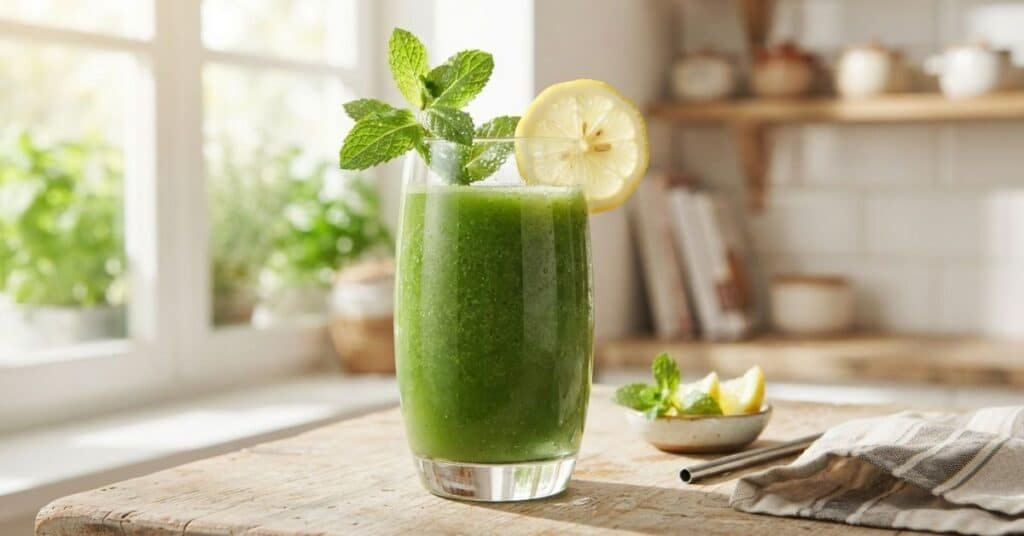
- Challenge 1: Assuming All Bottled Drinks Are Low-Carb
- Solution: Always read the nutritional panel for total sugar grams rather than trusting front-of-bottle wellness buzzwords.
- Challenge 2: Experiencing Sudden Afternoon Fatigue
- Solution: Switch from fruit-heavy blends to vegetable-dominant options to keep your blood sugar balanced.
- Challenge 3: Finding Convenient On-the-Go Options
- Solution: Opt for unsweetened green tea or black coffee when commercial beverage choices seem too risky.
7. Frequently Asked Questions (FAQs)
- Q1: Does pure fruit juice spike blood sugar faster than soda?
- Answer: Surprisingly, 100% fruit extracts contain concentrated free fructose, which can cause a glucose spike comparable to sugary soft drinks if consumed without fiber.
- Q2: Are green vegetable options safe for daily consumption?
- Answer: Yes, freshly pressed green juices dominated by celery, spinach, and cucumber provide rich minerals without disrupting metabolic stability.
- Q3: Why do commercial liquid cleanses leave people feeling drained?
- Answer: Extreme low-calorie liquid protocols deprive the body of adequate proteins and fats, causing severe energy crashes.
- Q4: Is blending better than juicing for metabolic health?
- Answer: Blending retains the whole fiber matrix of the produce, slowing down digestion and preventing sharp glucose spikes.
Conclusion: Take Control of Your Liquid Nutrition
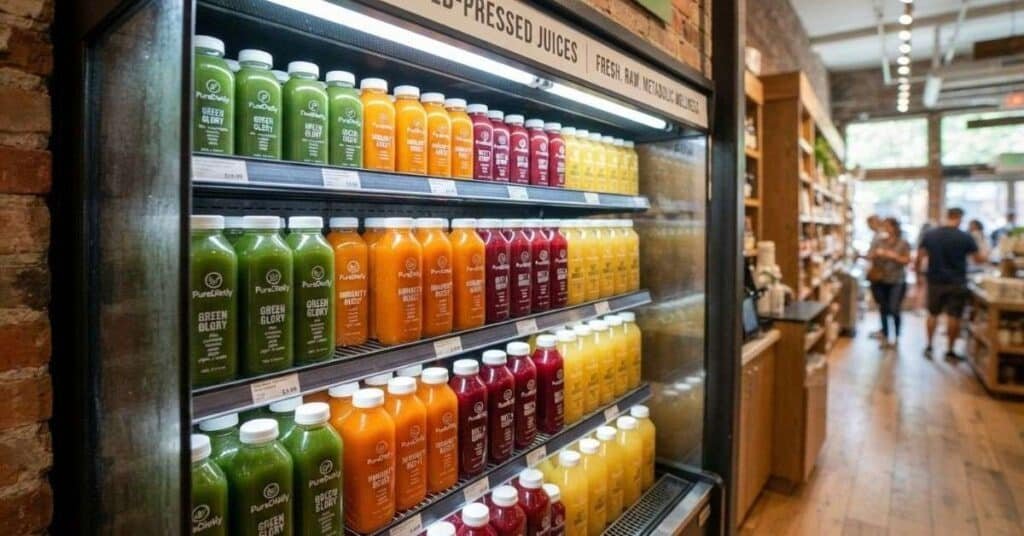
Mastering your beverage choices empowers you to take complete control of your nutrition without guesswork. By selecting a smart pure juice alternative and prioritizing wholesome, high-fiber habits, you can enjoy vibrant energy all evening long! Additionally, you can check out our [Better Than Takeout: The Ultimate Healthy Chicken and Soy Sauce Stir-Fry Recipe] for a delicious dinner option that complements your clean-eating goals.
About the Author
Gohar Fatima is the founder and lead metabolic health researcher at PureDietly, dedicated to translating complex nutritional science into practical, easy-to-follow guidance for everyday wellness.
Medical Disclaimer
The content provided on PureDietly is for informational purposes only and is not a substitute for professional medical advice, diagnosis, or treatment. Always consult your physician regarding any health conditions or dietary modifications.