
Published on: April 26, 2026 by Gohar puredietly.com
Editor’s Note
Editor’s Note: This article is part of our ongoing “2026 Metabolic Audit” series, where we re-evaluate common foods based on their impact on insulin sensitivity and glucose stability. Our goal is to simplify complex nutritional science for our US-based readers to help them make informed dietary choices.
Introduction: More Than Just a Berry

When we discuss the advantages of blueberries for health, most people think of them as a simple, sweet snack. However, in our 2026 metabolic audit, we found that these tiny berries are actually a strategic tool for blood sugar management and long-term cellular health. Whether you are shopping at a local US farmers’ market or a big-box retailer like Costco, understanding how blueberries affect your insulin levels is a total game-changer. Consequently, let’s dive into why these “brain berries” deserve a permanent spot in your metabolic kitchen.
The Nutritional DNA: Why Blueberries Win
Blueberries are packed with fiber, essential vitamins, and unique antioxidants called anthocyanins. Therefore, they offer more nutritional value per calorie than almost any other fruit available in the United States. For consumers looking for “clean eating” or “low-carb” options, this fruit is the ultimate choice.
| Component | Amount (per cup) | Metabolic Impact |
| Fiber | 3.6 grams | Slows down sugar digestion |
| Vitamin C | 24% DV | Boosts cellular repair |
| Vitamin K | 24% DV | Essential for bone health |
| Manganese | 25% DV | Supports metabolism |
| Sugar | Low (15g) | Minimal insulin response |
1. The Glucose “Blunting” Effect: A Metabolic Shield
One of the most vital advantages of blueberries for health is their ability to manage glucose levels. While many tropical fruits cause a “sugar high,” blueberries act differently because of their fiber-to-sugar ratio.
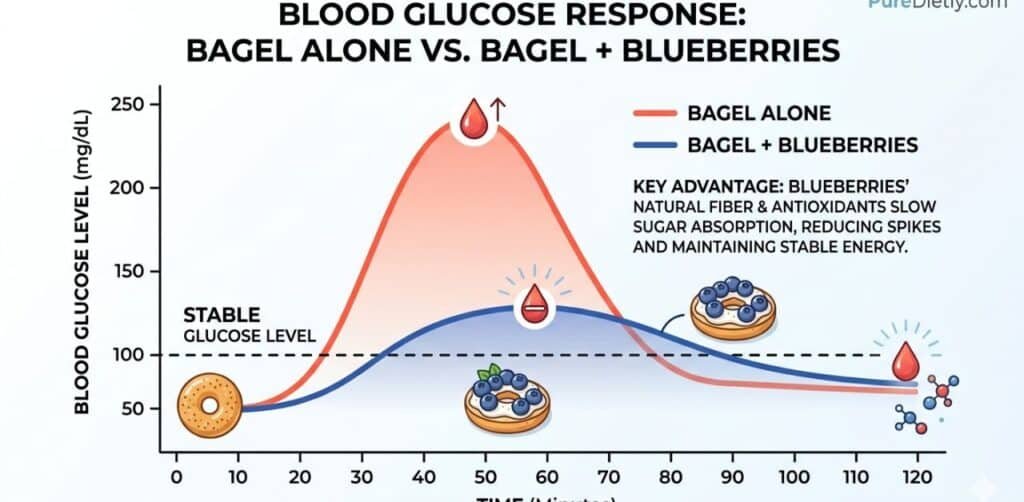
- Soluble Fiber Power: They contain pectin, which turns into a gel-like substance during digestion. This gel slows the rate at which your stomach empties. As a result, sugar enters your bloodstream more slowly, preventing the dreaded “crash.”
- Insulin Sensitivity: Specific compounds in blueberries help your cells “unlock” more efficiently to accept glucose. This means your body is less likely to store that sugar as fat.
- The Pre-Meal Hack: Interestingly, eating a handful of berries before a high-carb US breakfast (like a bagel or pancakes) can actually lower your overall post-meal glucose spike.
2. Cognitive Focus: The “Brain Berry” Protocol
In the fast-paced USA lifestyle, mental clarity and focus are top priorities. Blueberries are often called “Brain Berries” because their antioxidants can cross the blood-brain barrier. Furthermore, research suggests that these berries improve the signaling between brain cells.
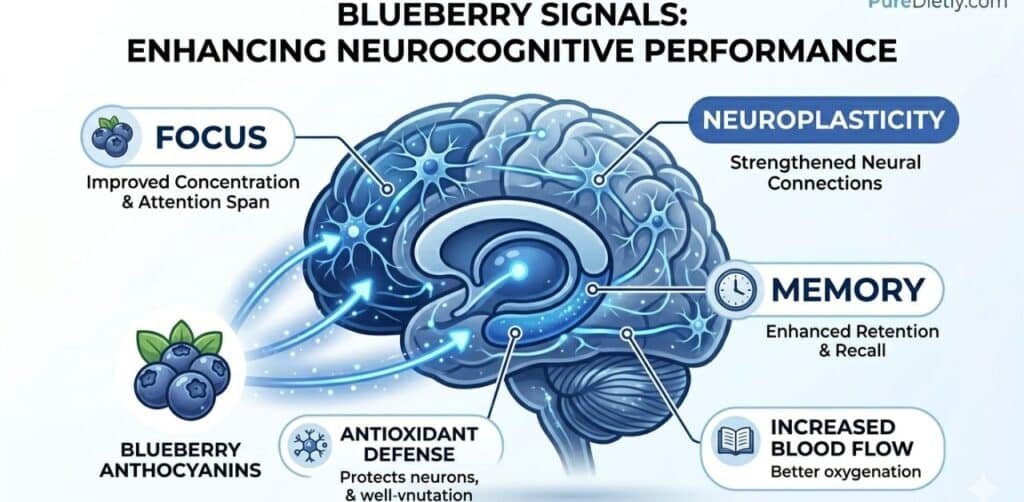
- Memory Retention: Regular consumption has been linked to slower rates of cognitive decline.
- Neuroprotection: By fighting oxidative stress, they protect neurons from damage caused by poor diet or environmental toxins. This is why we include them in every cognitive-focused metabolic audit.
3. Cardiovascular Defense: Protecting the American Heart
Heart health is a major priority for many Americans, and blueberries provide a natural “shield.” They help lower “bad” LDL cholesterol levels by preventing them from becoming oxidized. Moreover, they support healthy blood pressure by making your blood vessels more flexible. This flexibility is crucial for long-term heart function and is a core part of our 2026 health audit goals.
4. Wild vs. Cultivated: The Hidden Science
If you want to maximize the advantages of blueberries for health, you must know where your berries come from.
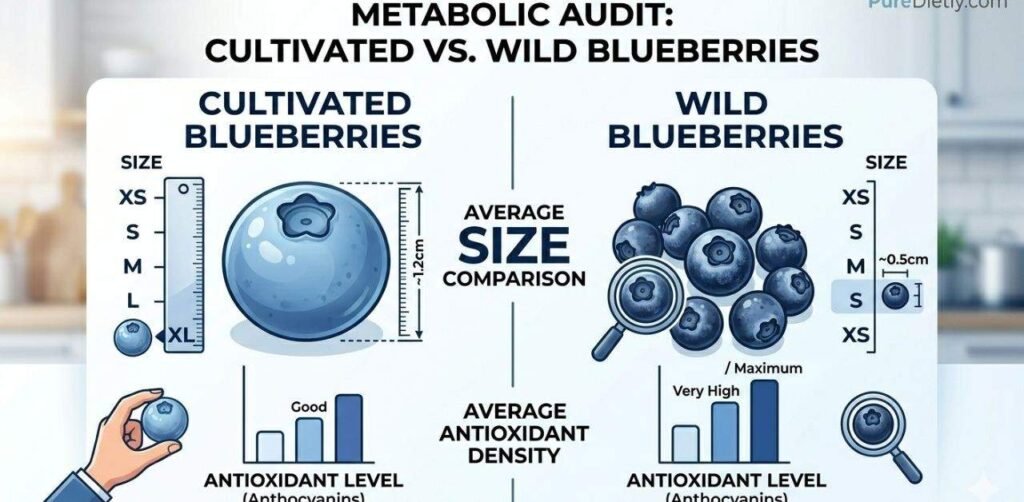
- Wild Blueberries (The Gold Standard): Usually found in the frozen section of US grocery stores. They are smaller but contain 2x the antioxidants of regular berries.
- Cultivated (The Supermarket Fresh): These are larger and juicier but slightly less dense in nutrients.
- PureDietly Tip: For maximum metabolic impact, buy the frozen “Wild” variety. They are picked at peak ripeness, preserving the nutrients better than fresh berries that travel for days.
5. Anti-Aging and DNA Repair
Aging is essentially the accumulation of DNA damage. Blueberries are one of the highest-ranking foods for antioxidant capacity. By neutralizing free radicals, they help repair your DNA from the inside out. Consequently, this leads to better skin health, faster recovery times, and improved overall longevity.
The PureDietly Metabolic Hacks (Internal Linking)
To truly optimize your health, you shouldn’t just eat blueberries you should pair them correctly according to the latest research:

- Avoid the Liquid Trap: While whole fruit is a superfood, [Pure Juice] often removes the essential fiber. Always choose the whole berry over the bottled version to keep your insulin stable.
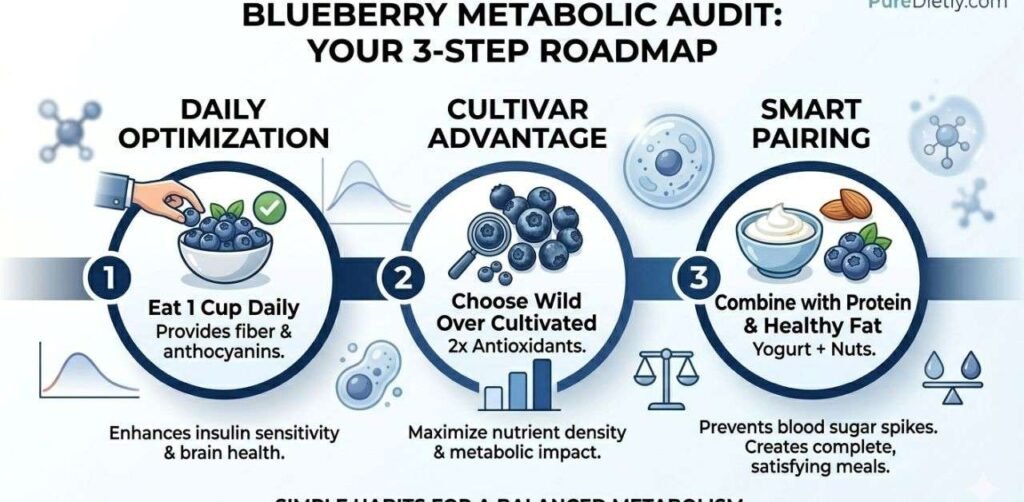
- Pair with Proteins: Eat your berries with Greek yogurt or a handful of almonds to further balance your meal. This is a key strategy for managing [High Glycemic Index Foods] effectively.
- Post-Workout Recovery: If you are dealing with [High Creatine Kinase (CK) Levels] after a heavy workout, the anti-inflammatory power of blueberries can help your muscles recover significantly faster.
6. Digestive Health and Microbiome Diversity
A healthy gut is the foundation of a fast metabolism. Blueberries act as a “prebiotic,” feeding the good bacteria in your gut. Furthermore, the fiber content helps prevent constipation, which is a common issue in high-protein diets. A diverse microbiome leads to better mood, stronger immunity, and easier weight management.
7. Visual Health in a Digital Age

Americans spend hours looking at screens. Another one of the unsung advantages of blueberries for health is their support for eye health. The anthocyanins help protect the retina from oxidative damage and may improve night vision. This makes them a perfect snack for office workers and students alike.
Actionable Tips for Mobile Users
- The “Frozen Hack”: Keep a bag of frozen blueberries in your freezer. They make a great zero-prep, low-calorie dessert that won’t spike your sugar.
- Smoothie Rule: Never blend them until they are completely liquid. Keep some texture to preserve the structural fiber benefits.
- Check Your Labels: Avoid “Blueberry Flavored” products in US aisles (like muffins or cereals). These are usually just colored sugar and offer none of the real metabolic benefits.
How to Use This Audit (Step-by-Step)
- Week 1: Replace one sugary snack with a half-cup of blueberries.
- Week 2: Start eating your berries before your largest carbohydrate meal.
- Week 3: Switch to “Wild” frozen berries to double your antioxidant intake.
- Monitor: Watch your energy levels stabilize throughout the day.
The Verdict: Are They the Ultimate Superfood?
In conclusion, the advantages of blueberries for health make them an essential part of any metabolic audit in 2026. They are easy to find, affordable when bought frozen, and metabolically superior to almost any other fruit. Therefore, instead of reaching for a processed energy bar or a sugary drink, grab a handful of these blue wonders and let your body feel the difference.
Frequently Asked Questions (FAQs)
1. Can I eat blueberries on a Keto diet?
Yes, in moderation. Half a cup has about 9g of net carbs. Consequently, they are one of the best low-carb fruit options for Keto.
2. Fresh vs. Frozen: Which is better?
Frozen is often better! They are picked at peak ripeness, which locks in antioxidants. Therefore, they are a budget-friendly and healthy metabolic choice.
3. Does cooking blueberries destroy their benefits?
High heat reduces Vitamin C, but the antioxidants remain mostly stable. However, eating them raw is the best way to get all the nutrients.
4. How many blueberries should I eat daily?
One cup (150g) is the ideal daily amount. This provides enough fiber to improve insulin sensitivity without overdoing the fruit sugar.
5. Do blueberries help with weight loss?
Yes. Their high fiber content keeps you full for longer. As a result, you naturally eat fewer calories throughout the day.
About the Author
About the Author: Gohar Fatima is the founder and lead researcher at PureDietly. With a deep focus on metabolic health and low-glycemic nutrition, she specializes in translating clinical research into actionable lifestyle audits. Gohar is dedicated to helping people navigate the complexities of modern diets through data-driven insights and metabolic bio-hacks.
Medical Disclaimer
Disclaimer: The information provided in the “2026 Metabolic Audit” is for educational and informational purposes only. It is not intended as medical advice, diagnosis, or treatment. Always seek the advice of your physician or other qualified health provider with any questions regarding a medical condition. Never disregard professional medical advice because of something you have read on PureDietly.com.