

Editor’s Note:
At PureDietly, we know that managing food allergies while trying to maintain steady metabolic health or keep your blood sugar balanced can feel overwhelming. Whether you are avoiding gluten for celiac safety or steering clear of dairy and hidden sugars, dining out at popular neighborhood grills requires a solid game plan. Let’s look at how to navigate the kitchen safely.
Introduction: The Stress of Dining Out with Food Sensitivities
Stepping out to enjoy a relaxed meal at a popular American restaurant chain should feel like a reward, not a medical risk. However, if you live with food sensitivities, celiac disease, or strict dietary constraints, scanning a menu often triggers immediate anxiety. You want to enjoy a hearty meal with friends or family without worrying about hidden wheat, dairy proteins, or unexpected additives that could ruin your evening or throw your metabolic progress off track.
Fortunately, navigating the applebee’s allergen menu does not have to be a guessing game. By understanding corporate allergen disclosures, recognizing cross-contamination risks, and pairing your restaurant choices with smart nutritional strategies similar to how you evaluate sweetener options like maple syrup you can take control of your plate. Let’s explore how to eat safely and keep your wellness goals entirely intact.
Understanding Applebee’s Official Allergen Framework
As a major nationwide casual dining chain, Applebee’s tracks and discloses information regarding major food allergens provided by their suppliers. Their official tracking covers the primary allergens that impact sensitive individuals:

- Milk and Dairy Products
- Eggs
- Fish and Shellfish
- Tree Nuts and Peanuts
- Wheat and Gluten
- Soy and Added Monosodium Glutamate (MSG)
Because commercial kitchens handle multiple ingredients in shared prep areas, corporate guidelines explicitly state that absolute zero-contact cannot be guaranteed. If you suffer from severe anaphylactic allergies, you must inform your server immediately so the kitchen team can take extra precautions with clean utensils and sanitized surfaces.
Navigating Regional Menu Variations Across U.S. Locations
Dining out across different states in the U.S. introduces an extra layer of complexity because franchise locations can sometimes source regional ingredients or apply local twists to classic recipes. While core menu items remain standardized, kitchen protocols and preparation surfaces can vary slightly from one neighborhood grill to another. Consequently, always verify with your specific local restaurant whether they use dedicated prep stations for allergen-free orders, especially during peak weekend rushes when kitchen lines operate at maximum speed
Side-by-Side Comparison: Safe Selections vs. Items to Modify
To help you visualize what you can safely order across different menu categories, review the detailed breakdown below:
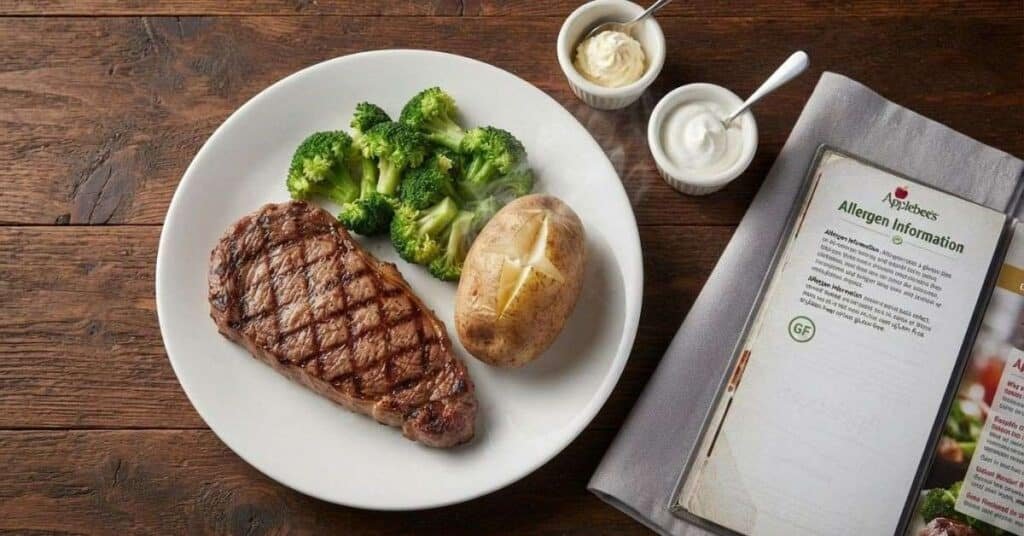
| Menu Category | Generally Safer Choices (With Minor Mods) | Items to Avoid or Strictly Modify |
| Steaks & Cuts | USDA Select Sirloin, Ribeye, New York Strip | Pre-marinated steaks infused with soy or gluten-based bases |
| Chicken Entrées | Plain Grilled Chicken Breast (no sauce) | Breaded chicken tenders, oriental chicken salad toppings |
| Ribs & Speciality | Riblets or Baby Back Ribs (** strictly without standard barbecue sauce**) | Standard sweet barbecue glazes laden with hidden corn syrup and gluten |
| Side Dishes | Baked Potato, Steamed Broccoli, Garlicky Green Beans | Standard French fries cooked in shared fryers with breaded items |
Essential Strategies for a Safe Dining Experience
Protecting your digestive health and blood sugar stability requires being proactive before and during your meal. Follow these practical steps:
- Step 1 – Review Online Guides Ahead of Time:
- Check the interactive online nutrition and allergen portal before heading out so you know which exact dishes match your dietary profile.
- Step 2 – Speak Directly to Your Server:
- Clearly articulate your allergy or sensitivity rather than assuming cross-contact will be avoided automatically.
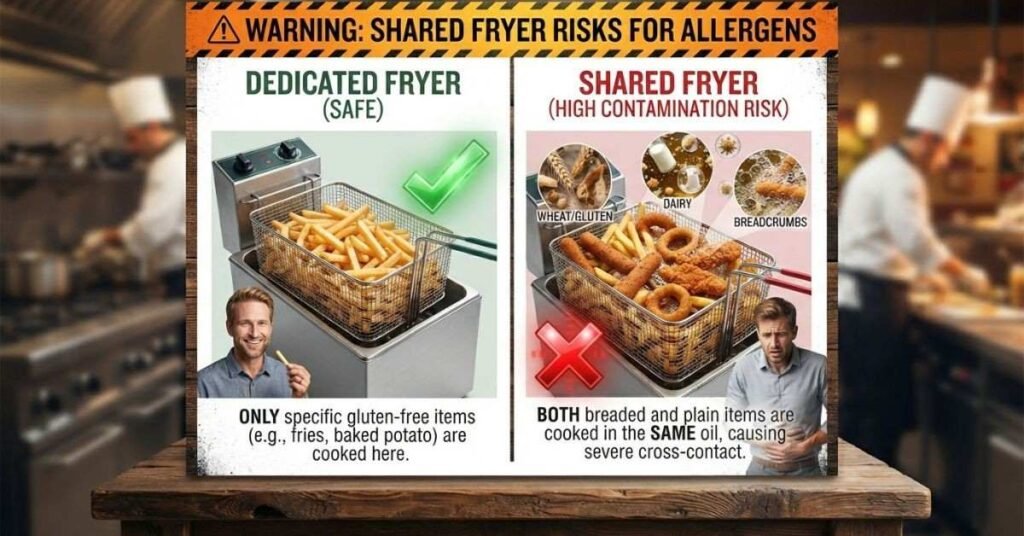
- Step 3 – Beware of Shared Fryers
- : Fried items like fries and chips frequently absorb residue from breaded appetizers cooked in the same oil vat. Opt for steamed or baked alternatives instead.
- Step 4 – Request Sauces and Dressings on the Side:
- This gives you total control over portion sizes and protects you from hidden sugars, dairy bases, or thickeners.
Decoding Hidden Sugars and Carbohydrates in “Healthy” Swaps
When managing metabolic health or diabetes, swapping out fried items for a perceived healthier alternative can sometimes backfire if you do not inspect the ingredient breakdown. Many casual restaurant glazes, marinades, and pre-made dressings contain hidden high-fructose corn syrup or maltodextrins that can trigger unexpected glucose spikes. Always request unseasoned proteins and use your own clean olive oil or lemon wedges at the table to maintain absolute control over your dietary intake.
Overcoming Common Restaurant Challenges
Even seasoned wellness enthusiasts stumble when trying to balance social dining with strict clean-eating guidelines. Here is how you can troubleshoot common hurdles:

- Challenge 1: Assuming “Gluten-Free” Means “Sugar-Free or Healthy”
- Solution: Remember that commercial gluten-free substitutes often rely on refined starches and added sugars that can spike your glucose levels. Always prioritize whole-food proteins and fibrous green sides. For more guidance on managing energy levels, check out our [The Glucose Revolution: 5 Proven Hacks to Stop Energy Crashes & Balance Your Blood Sugar] guide.
- Challenge 2: Hidden Marinades in Grilled Proteins
- Solution: Even simple grilled chicken or steak can be pre-soaked in soy sauce or malt-based marinades. Always ask your server to verify if the meat is seasoned raw or cooked plain on a sanitized grill surface.
- Challenge 3: Navigating Salad Dressings and Cross-Contamination
- Solution: Pre-mixed salads often contain hidden crouton dust or cheese particles. Ask for a clean plate, dry greens, and olive oil with lemon wedges as a safe, clean dressing alternative. For additional clean-eating meal ideas, take a look at our [Better Than Takeout: The Ultimate Healthy Chicken and Soy Sauce Stir-Fry Recipe] guide.
Managing Shared Family Platters and Appetizers
- Solution: Family-style dining or sharing appetizers like spinach dip and quesadillas is a staple of American casual dining culture, but it poses a severe cross-contamination hazard for anyone with strict wheat or dairy allergies. Politely establish clear boundaries with your dining companions by ordering a completely separate, dedicated plate for yourself. Ensuring your food never shares space with breaded or cheese-laden appetizers eliminates accidental cross-contact and lets you enjoy your meal with total peace of mind.
Frequently Asked Questions (FAQs)
- Q1: Does Applebee’s have a dedicated gluten-free menu?
- Answer: While they do not operate entirely gluten-free kitchens, they provide comprehensive allergen listings that isolate wheat-free and gluten-sensitive choices such as select steaks and grilled chicken breasts.
- Q2: Can I trust the fryer items if I have a severe wheat allergy?
- Answer: No. Because commercial fryers are shared between breaded items (like mozzarella sticks and chicken tenders) and plain items (like french fries), cross-contact is highly likely.
- Q3: How do I check for dairy ingredients before ordering?
- Answer: You can use Applebee’s interactive online nutrition and allergen filter to sort dishes by dairy and milk derivatives instantly.
- Q4: Are dressings and sauces safe for food sensitivities?
- Answer: Most standard commercial dressings contain hidden dairy, soybean oil, or gluten stabilizers. Always request oil and vinegar or check individual allergen sheets.
Add Seaweed Salad to your daily carb limit in 30 seconds!
Conclusion: Dining Out with Confidence
Navigating casual dining chains while protecting your metabolic health and managing food sensitivities is entirely possible when you rely on data rather than guesswork. By studying the applebee’s allergen menu, communicating clearly with your server, and customizing your orders to exclude shared fryers and hidden syrups, you can enjoy a safe meal that respects your body.
About the Author

Gohar Fatima is the founder and lead metabolic health researcher at PureDietly, dedicated to translating complex nutritional science and practical restaurant guides into easy-to-follow advice for everyday wellness.
Medical Disclaimer
The content provided on PureDietly is for informational purposes only and is not a substitute for professional medical advice, diagnosis, or treatment. Always consult your physician or a qualified healthcare provider regarding any food allergies, health conditions, or dietary modifications.