By puredietly@gmail.com / August 4, 2026
Editor’s Note
Expectant mothers often face conflicting advice about what to eat. Many believe the old phrase “eating for two.” However, this is a common misconception. You do not need extra calories during your first trimester. You only need about 340 to 450 extra calories daily during your second and third trimesters.
Despite this, the quality of your macronutrients matters greatly. Protein is the ultimate foundation for:
- Your baby’s cellular development
- Optimal birth weight
- Maternal tissue expansion
- Your long-term metabolic health
However, reaching the daily target of 70 to 100 grams of protein can feel exhausting. Early pregnancy nausea, food aversions, extreme fatigue, and slow digestion often take over. When the thought of eating chicken or eggs makes you feel sick, protein powders offer a convenient nutritional bridge.
(To keep your overall diet balanced, you can also read our guide on healthy diet planning for busy lifestyles.)
A vital question remains: Are commercial protein powders safe for pregnant women? What hidden ingredients, heavy metals, and artificial sweeteners should you avoid? How do you pick a product that protects your blood sugar and your baby?
In this guide, we break down everything you need to know about safely choosing supplements during pregnancy.
Why Protein Matters During Pregnancy
Protein is the fundamental building block of life. During pregnancy, your body undergoes massive changes. Your blood volume increases by nearly 50% to support fetal circulation. Your uterus expands, and your placenta needs a steady stream of essential amino acids.
Doctors and dietitians generally recommend 70 to 100 grams of protein daily. This number changes based on your pre-weight, activity level, and whether you are carrying multiples.
A Sample Daily Whole-Food Layout (72g Protein):
- Breakfast: One large boiled egg (6g protein)
- Snack: One cup of cultured cottage cheese (28g protein)
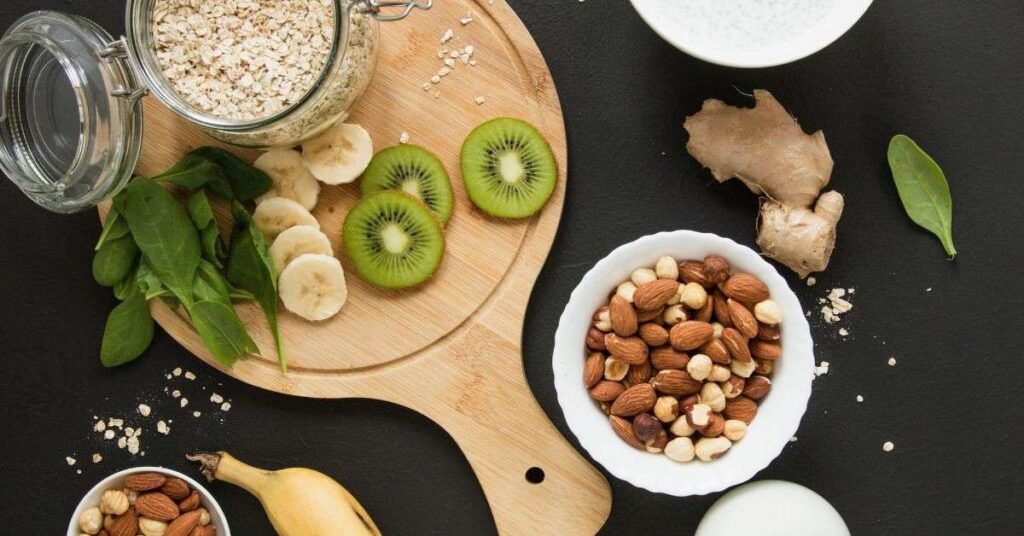
- Lunch: A bowl of lentil soup (15g protein) with a small handful of almonds (6g protein)
- Dinner: A 3-ounce serving of baked wild-caught salmon (17g protein)
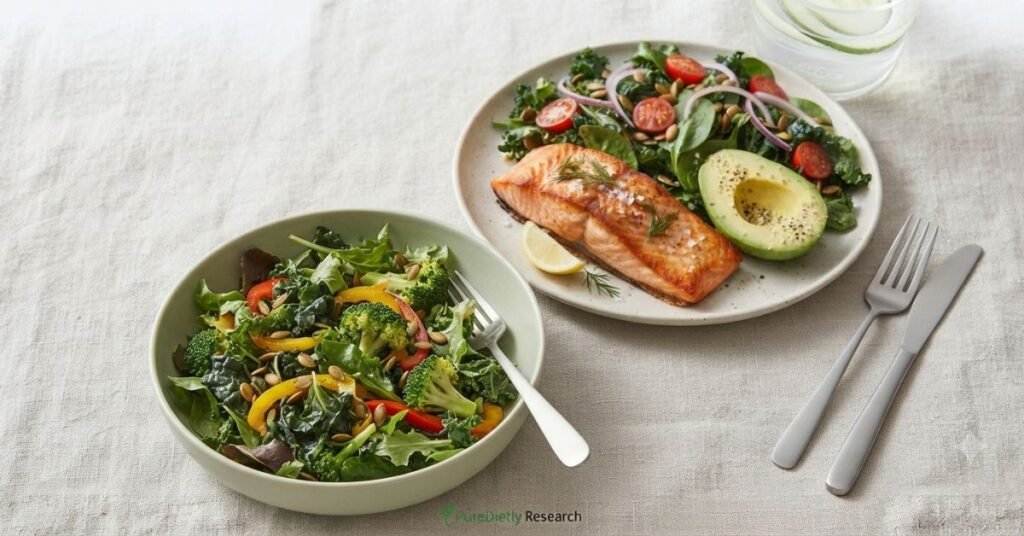
Whole, minimally processed foods should always form the foundation of your diet. However, busy schedules and pregnancy symptoms create gaps. When you cannot eat beans or meat, a clean, third-party-tested protein powder can help—always with your OB-GYN’s approval.
Trimester-by-Trimester: How Protein Needs Shift
Your nutritional requirements evolve as your baby grows. Managing this prevents metabolic strain and excessive weight gain.
1. The First Trimester (Weeks 1-13)
Fetal growth is rapid but microscopic. Your calorie and protein needs do not increase much compared to your baseline. However, morning sickness peaks here.
- The Goal: Survival and baseline nutrition.
- If you cannot keep solid food down, sip on a clean, unflavored protein isolate mixed with clear fluids. This prevents muscle breakdown and stabilizes blood sugar dips that trigger nausea.
2. The Second Trimester (Weeks 14-27)
This is the main growth phase. Your baby develops organs, muscles, and tissues quickly. Your daily intake should increase by roughly 340 calories, and protein must scale up. This is the best time to introduce a daily protein smoothie to support maternal tissue expansion.
3. The Third Trimester (Weeks 28-40+)
Your baby gains weight, stores fat, and finalizes brain development. Your body prepares for labor and postpartum recovery. Protein demand peaks. Falling short here leads to severe fatigue, fluid retention, and slow postpartum recovery.
Nutritional Breakdown: Comparing Protein Sources
Choosing the right protein source requires understanding how different powders affect your digestive system.
| Protein Powder Type | Primary Benefit for Pregnancy | Potential Drawbacks & Risks | Metabolic & Safety Impact |
| Pure Whey Isolate | Complete amino acid profile; fast absorption. | Derived from dairy; may cause gas or bloating if you have mild lactose sensitivity. | Low glycemic impact if unflavored; supports muscle recovery. |
| Organic Pea Protein | Hypoallergenic, dairy-free, vegan-friendly; gentle on the stomach. | Can taste earthy or chalky; prone to heavy metal accumulation if poorly sourced. | Provides fullness due to fiber; requires strict heavy metal testing. |
| Hemp Protein | Rich in healthy omega-3 fatty acids and dietary fiber. | Lower total protein concentration per scoop than whey or pea. | Very gentle on digestion; keeps blood sugar steady. |
| Collagen Peptides | Supports skin elasticity, joint lubrication, and pelvic floor tissue. | Incomplete protein (lacks essential amino acids like tryptophan). | Use only as an adjunct wellness supplement, not a primary protein source. |
The Hidden Risks to Watch Out For
Fitness blogs often list top protein powders without warning you about hidden safety issues. As a metabolic health researcher, I look closely at these hidden variables:
1. The FDA Supplement Regulation Loophole
In the U.S., dietary supplements are not preemptively regulated by the FDA before they hit store shelves. Manufacturers rely on an honor system for safety and label claims.
- Consumer investigations by the Clean Label Project have found traces of heavy metals (arsenic, cadmium, lead), pesticides, and BPA in popular “organic” supplements.
- Rule: Always choose brands that use third-party testing (like NSF Certified, USP, or Informed-Choice).
2. Sneaky Sugars and Gestational Diabetes
Many commercial powders contain artificial sweeteners, thickeners, and hidden added sugars—sometimes up to 23 grams of sugar in a single scoop!
- Consuming these sugars on an empty stomach triggers aggressive glucose spikes and insulin crashes.
- This worsens fatigue and increases your risk of Gestational Diabetes Mellitus (GDM). Check labels for unflavored options or those sweetened minimally with pure stevia or monk fruit.
3. The Impact of Artificial Additives
Pregnancy hormones slow down your digestive tract, often causing constipation and bloating. Powders loaded with artificial gums (xanthan or guar gum), sugar alcohols (erythritol, xylitol), or artificial dyes can disrupt your gut microbiome and cause cramping.
4. The Danger of Over-Supplementing
More is never better. Consuming extreme amounts of protein while restricting complex carbs can negatively impact fetal growth. Use supplements to bridge gaps, not to replace whole foods.
Smart Culinary Integration: Using Protein Safely at Home
When dealing with morning sickness or exhaustion, heavy meals are hard to digest. If your doctor clears you, try these gentle methods:
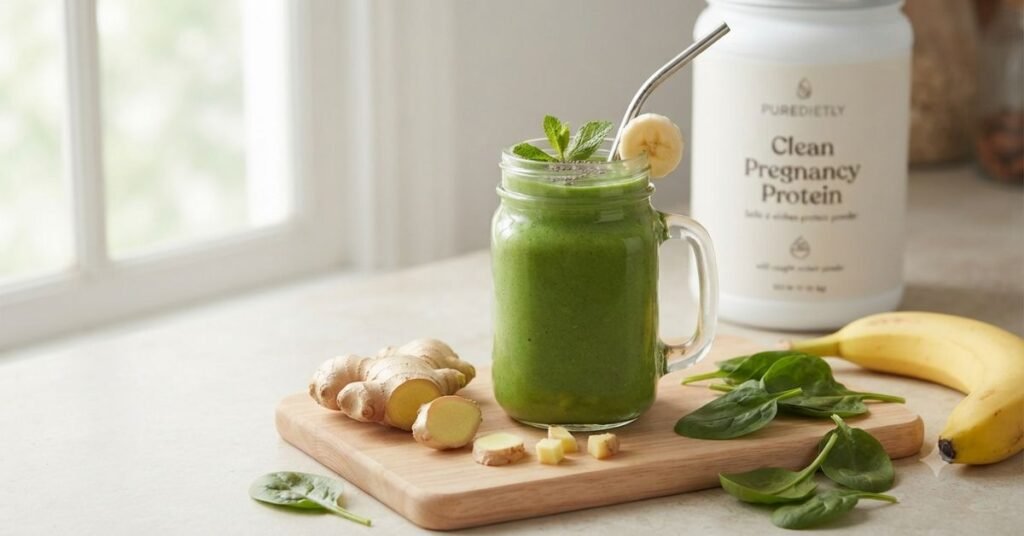
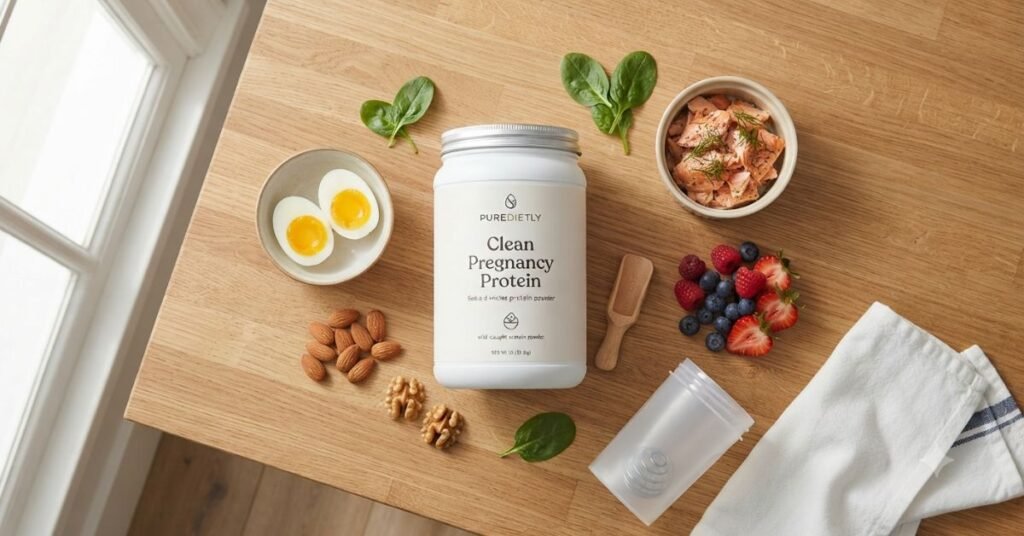
- The Morning Sickness Relief Smoothie: Blend a half-scoop of unflavored or vanilla protein isolate with frozen banana, organic spinach, unsweetened almond milk, and a small slice of raw ginger to calm nausea.
- Pairing with Herbal Routines: If thick shakes trigger your gag reflex, eat small whole foods and sip a warm cup of ginger tea to aid digestion and reduce bloating.
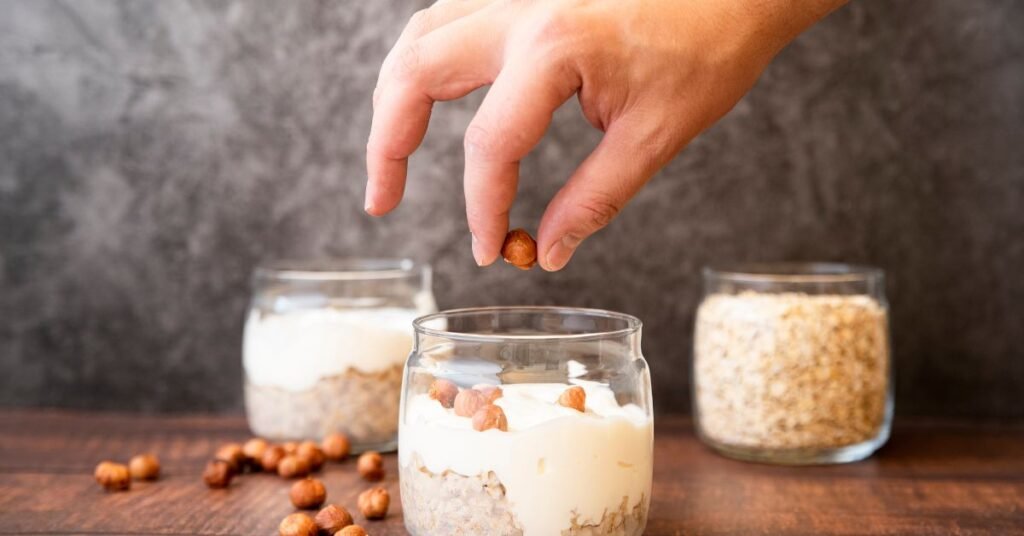
- Metabolic Power Oats: Stir a half-serving of clean plant protein into morning steel-cut oats. Top with berries, chia seeds, and crushed walnuts for healthy fats.
What to Look For on the Label: Safety Checklist
Before buying a protein powder during pregnancy, check for these rules:
- Short Ingredient List: If you cannot pronounce an ingredient, leave it on the shelf.
- Zero Artificial Dyes or Sweeteners: Avoid sucralose, aspartame, acesulfame potassium, and Red 40.
- Mandatory Heavy Metal Disclosure: Look for brands that publish Certificate of Analysis (COA) results or hold the Clean Label Project Purity Award.
- Allergen Clarity: If sensitive to dairy, choose a tested organic pea or hemp isolate.
Frequently Asked Questions (FAQs)
Q1: Can I drink a protein shake every day during pregnancy?
Yes, if you struggle to meet your protein goals through whole foods alone and have your OB-GYN’s approval. It should act as a supplement, not a meal replacement.
Q2: Are plant-based powders automatically safer than whey?
Not automatically. While they avoid dairy, plant powders (like pea and brown rice) can absorb heavy metals from contaminated soil. Certified organic, third-party-tested brands are essential.
Q3: How much protein is too much during pregnancy?
Exceeding recommended ranges (like over 120-150+ grams daily without heavy exercise) can strain your kidneys and has been linked in some studies to restricted fetal growth. Balance is key.
Q4: Will protein powder make me constipated?
It can if it lacks dietary fiber (like some whey isolates) and you do not drink enough water. Drink plenty of water and consider fiber-rich plant options.
Ready to Check Your Levels?
Use our Free Diabetic Calculators to track your A1C, Sugar Spikes, and Fasting Progress.
OPEN ALL CALCULATORS ➔Fast • Accurate • Free for Puredietly Readers
Conclusion
Navigating nutrition during pregnancy shouldn’t cause constant stress. Protein powders offer a convenient way to bridge nutritional gaps during morning sickness or fatigue, but they require careful research.
Prioritize clean labels, avoid hidden sugars, demand heavy metal testing, and rely primarily on whole foods to protect your metabolic health. Always consult your healthcare provider before adding new supplements to your routine.
About the Author
Gohar Fatima is a Metabolic Health Researcher, nutritional writer, and the founder of PureDietly. Her mission is to translate complex nutritional science and glycemic research into actionable food strategies that help communities achieve long-term metabolic wellness.
Medical Disclaimer
This content is for informational purposes only and does not constitute medical advice. Always consult a qualified healthcare provider, obstetrician, or registered dietitian before changing your diet, exercise routine, or supplement intake during pregnancy.