
By Gohar Fatima | August 7, 2026
Editor’s Note
While wellness blogs praise smoothies as healthy, commercial blends are often hidden sugar traps that trigger rapid glucose spikes. However, you don’t have to give up smoothies entirely. With the right macronutrient balance, you can enjoy safe, delicious smoothies for diabetics that keep your energy and blood sugar stable.
Introduction
For anyone managing insulin resistance or blood sugar levels, a morning drink can feel risky. Many popular beverages are hidden sugar bombs that trigger rapid glucose spikes. However, enjoying delicious smoothies for diabetics is entirely possible with the right ingredient strategy. When balanced properly, these blends support metabolic wellness and keep your energy stable. Whether you are navigating gestational diabetes or managing type 2 diabetes, finding quick and nutritious meal replacements can completely transform your daily routine. In this comprehensive guide, we will break down everything you need to know about building safe, delicious, and blood sugar-friendly blends at home.
Understanding the Glycemic Impact of Blended Foods
When you consume whole fruits and vegetables, your body naturally slows down digestion. The intact cellular walls require your digestive tract to work, which meters out glucose into your bloodstream gradually. However, the moment you toss those ingredients into a high-speed blender, everything changes.
- The Breakdown Process: Blending mechanically pre-digests your food, shattering the fiber matrix that normally slows down sugar absorption.
- Rapid Glucose Delivery: Because the fruit sugars are liberated from their cells, they hit your small intestine much faster, creating a sharp insulin spike.
- The Energy Crash: A rapid rise in blood sugar is almost always followed by a reactive drop, leaving you feeling exhausted, irritable, and craving more sugar just a few hours later.
Understanding this biological mechanism is the first step toward crafting a truly diabetic-friendly beverage. You do not have to banish all fruits from your blender, but you must respect how blending alters their nutritional impact.
Why Standard Café Smoothies Fail Your Blood Sugar
If you walk into a commercial juice bar or coffee shop and order a standard green or fruit smoothie, you are almost certainly consuming a massive dose of hidden carbohydrates. Commercial vendors prioritize flavor and texture over metabolic health, leading to several hidden pitfalls:
- Heavy Fruit Concentrates: Many commercial spots use sweetened apple juice, white grape juice, or frozen fruit purees as their liquid base, which adds massive amounts of fructose.
- Oversized Portions: A typical cafe cup often contains three to four servings of fruit in a single container, vastly exceeding a safe carbohydrate load for a single meal.
- Zero Protective Macronutrients: Without a robust matrix of healthy fats and clean proteins, these drinks lack the structural components required to slow down gastric emptying.
To protect your long-term health, making your drinks at home is always the superior choice. It gives you total control over every single ingredient that enters your body.
The Golden Formula for Healthy Blends
To build the best smoothies for diabetics, you must follow a strict structural template. Every successful recipe requires a careful balance of low-glycemic liquids, healthy fats, dietary fiber, and clean protein sources.
Core Ingredient Matrix
| Category | Recommended Choices | Ingredients to Avoid |
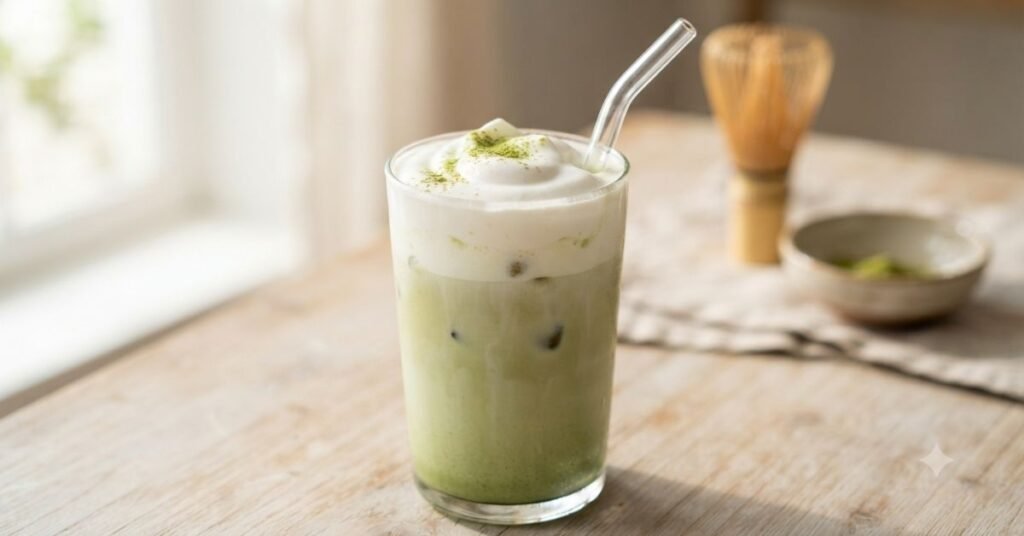
| Base Liquid | Unsweetened almond milk, water, green tea | Fruit juice, sweetened coconut milk, oat milk |
| Fats & Fiber | Chia seeds, avocado, flaxseed, walnuts | Sweetened nut butters, flavored syrups |
| Proteins | Unflavored whey, clean pea protein, Greek yogurt | High-sugar commercial weight gainers |
| Fruits | Raspberries, blackberries, strawberries, lemon | Mango, pineapple, overripe bananas, dates |
By keeping this matrix in mind, you can mix and match ingredients without ever worrying about an unexpected glucose spike.
Step-by-Step Guide to Assembling Your Blend
Assembling a blood sugar-friendly drink is a simple culinary science. Follow this step-by-step process every time you use your blender to ensure optimal texture and glycemic control:
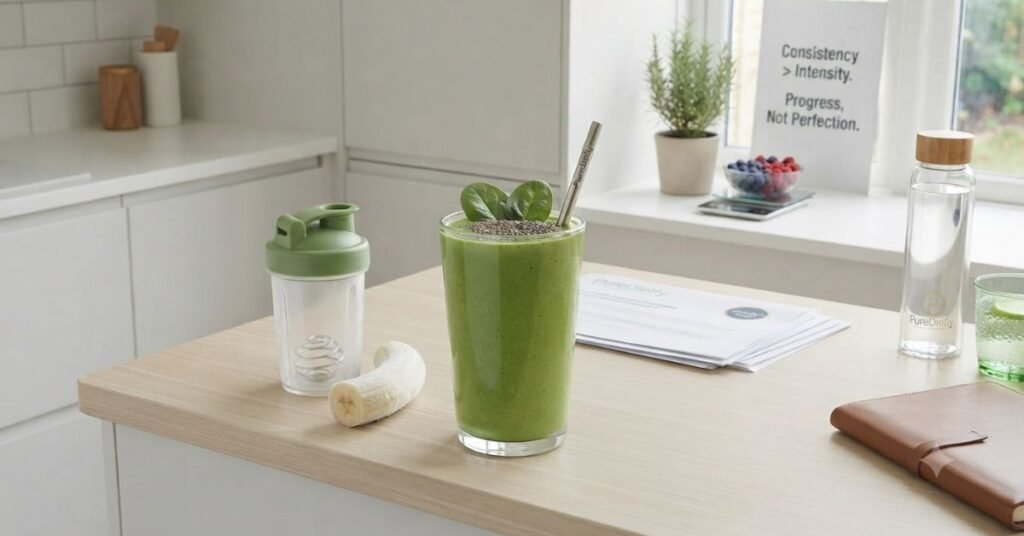
- Pour the Liquid First: Add 1 cup of your chosen low-glycemic liquid (such as unsweetened almond milk or plain water) to the bottom of the blender canister. This helps the blades spin smoothly without needing sugary juices.
- Add Your Greens: Drop in a handful or two of fresh organic spinach or kale. Greens add valuable volume, micronutrients, and fiber without adding digestible carbohydrates or altering the flavor significantly.
- Incorporate Protein and Fats: Add one scoop of clean protein powder along with a tablespoon of chia seeds or a quarter of an avocado. This macro combination is crucial for keeping your insulin flat and your stomach full.
- Top with Low-Sugar Fruit: Finish with half a cup of frozen berries. Freezing locks in antioxidants and helps create a thick, frosty milkshake texture without needing ice cream or frozen yogurt.
- Blend and Enjoy: Pulse until completely smooth. If the mixture is too thick, splash in a little extra water rather than fruit juice.
3 Blood Sugar-Friendly Recipes to Try Today
Here are three quick, nutrient-dense options designed to fit seamlessly into your busy lifestyle while keeping your metabolic markers stable.
1. The Berry Chia Stabilizer
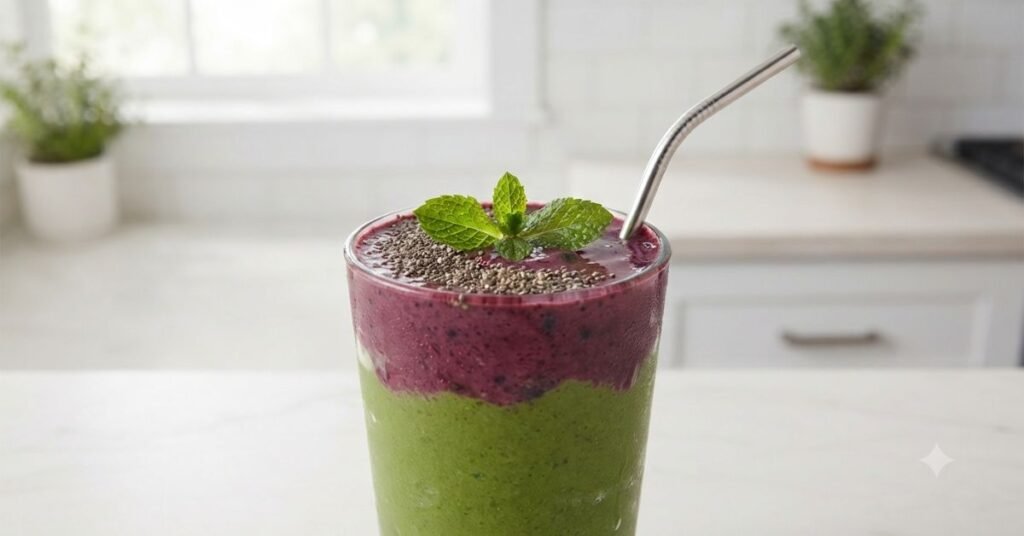
- Ingredients: 1 cup unsweetened almond milk, 1/2 cup frozen raspberries, 1 handful fresh spinach, 1 scoop clean protein powder, and 1 tablespoon chia seeds.
- Why It Works: Raspberries are among the lowest-sugar fruits available, packed with soluble fiber that actively blunts glucose absorption.
2. Avocado Green Machine
- Ingredients: 1 cup water or coconut milk, 1/4 ripe avocado, 1 cup chopped zucchini (frozen), 1 handful kale, and 1 scoop vanilla protein powder.
- Why It Works: Frozen zucchini provides an incredible creamy texture without adding any sugar or strong vegetable flavors, while avocado supplies monounsaturated fats.
3. Chocolate Cravings Killer
- Ingredients: 1 cup unsweetened soy milk, 1 tablespoon raw cocoa powder, 1 tablespoon ground flaxseed, and 1 scoop unflavored or low-carb chocolate protein powder.
- Why It Works: Raw cocoa is rich in polyphenols that support insulin sensitivity, making this an incredible treat when sweet cravings strike.
Frequently Asked Questions
Can I drink smoothies for diabetics every day?
Yes, provided they contain healthy fats, fiber, and clean protein rather than excessive fruit sugars. Consistency is key when managing daily carbohydrate intake.
Are bananas completely forbidden?
Ripe bananas raise blood sugar quickly due to their high glycemic index. Instead, use small portions of unripe green bananas for resistant starch, which digests much more slowly.
Should I use milk or water as a base?
Water and unsweetened plant milks (like almond or soy milk) are ideal because they contain zero added sugars. Avoid cow’s milk if you are sensitive to lactose or dairy-based sugars.
Ready to Check Your Levels?
Use our Free Diabetic Calculators to track your A1C, Sugar Spikes, and Fasting Progress.
OPEN ALL CALCULATORS ➔Fast • Accurate • Free for Puredietly Readers
Conclusion
Managing blood sugar levels does not mean you have to give up the convenience and joy of a refreshing morning drink. By shifting your focus away from high-sugar fruit juices and prioritizing healthy fats, dietary fiber, and clean protein, you can easily enjoy delicious smoothies for diabetics. Always remember to read your product labels, monitor your unique post-meal glucose responses, and consult your healthcare provider to tailor your nutrition plan effectively.
About the Author
Gohar Fatima is a Metabolic Health Researcher and the founder of PureDietly, dedicated to translating complex nutritional science into practical daily strategies for long-term wellness.
Medical Disclaimer:
This content is for informational purposes only and does not substitute for professional medical advice. Always consult your physician before altering your diet or managing chronic health conditions.