

By Gohar Fatima / July 30, 2026
Editor’s Note: As part of our ongoing PureDietly nutritional audit, this guide explores lose fat gain muscle strategies to evaluate functional body recomposition, metabolic efficiency, and daily wellness benefits for modern American routines.
Introduction
Finding clean, sustainable ways to reshape your physique can sometimes feel overwhelming. Specifically, when you are trying to balance busy daily schedules with clean eating, finding the right strategy is crucial. However, if you want to optimize your body composition, learning how to lose fat gain muscle stands out as a true metabolic milestone. Furthermore, health-conscious individuals across the U.S. frequently ask: can you actually burn fat and build muscle at the same time?
Historically, fitness cultures treated weight loss and muscle building as two completely separate phases. Therefore, understanding the core science of body recomposition is essential for anyone aiming to enhance daily energy, boost metabolic health, or embrace clean-eating habits. As a metabolic health researcher, I always look closely at how proper nutrition, whole foods, and resistance training interact with modern physiological needs.
In this comprehensive guide, we will break down what body recomposition involves, explore essential nutrition rules, review effective training habits, examine the role of clean diets, and share simple, mobile-friendly ways to achieve your goals at home.
What Is Body Recomposition? Essential Knowledge
At its core, body recomposition comes down to a unique shift in cellular structure and tissue partitioning. Instead of focusing solely on the scale, you focus on changing your body’s ratio of fat mass to lean muscle mass.
- Simultaneous Adaptation: Unlike traditional bulking or crash dieting, body recomposition allows your body to use stored body fat as fuel while repairing and growing muscle tissue.
- Metabolic Efficiency: Because muscle is metabolically active tissue, increasing your lean mass helps elevate your resting metabolic rate over time.
Nutritional & Compound Breakdown for Recomposition
To give you a clear picture of your dietary impact, here is a quick reference table showing the general macronutrient focus per standard daily framework:
| Nutrient Component | Recommended Profile | Metabolic & Dietary Impact |
| Lean Protein | High concentration (~1.6–2.2g per kg) | Repairs muscle fibers and supports satiety |
| Complex Carbohydrates | Moderate, whole-food sources | Fuels intense workouts without insulin spikes |
| Healthy Fats | Balanced daily intake | Regulates hormones and cellular health |
| Hydration & Fiber | Consistent daily volume | Optimizes digestion and nutrient absorption |
Note: Exact caloric intake can vary slightly depending on your current body composition, activity levels, and daily routine.
Main Pillars of Fat Loss and Muscle Gain
Because training and nutrition must work in harmony, body recomposition relies on two primary pillars. Choosing the right approach depends on your daily schedule and fitness experience.
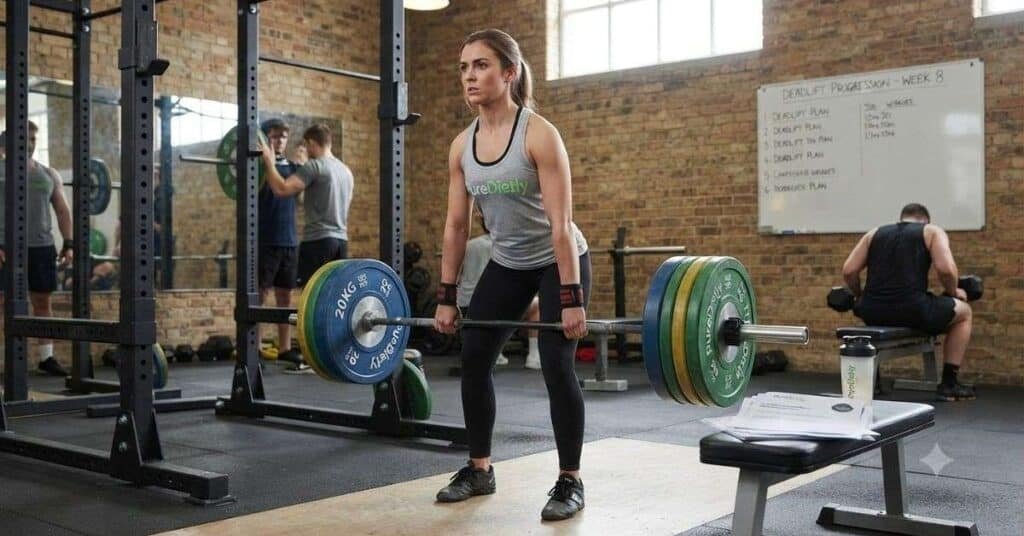
- Progressive Resistance Training: Lifting weights or engaging in bodyweight resistance challenges stimulates muscle protein synthesis. Therefore, it signals your body to preserve and build muscle tissue even during a slight caloric deficit.
- Targeted Clean Eating: Consuming nutrient-dense whole foods ensures you get adequate amino acids and micronutrients. Consequently, it excels in fueling your workouts while keeping your overall energy balance optimized.
Health Benefits: Why Body Recomposition Is Superior to Crash Dieting
Integrating a structured body recomposition routine into your lifestyle offers several scientifically supported advantages for long-term health.

1. Sustainable Energy Without Metabolic Slowdown
Because crash dieting often leads to muscle loss and fatigue, a balanced recomposition approach preserves your metabolic rate. Consequently, individuals experience smooth, jitter-free daily energy that lasts for hours, unlike the rapid exhaustion associated with restrictive diets.
2. Enhanced Metabolic Health and Longevity
Moreover, building lean mass is exceptionally effective for improving insulin sensitivity. Therefore, it helps minimize systemic inflammation caused by visceral fat within the body. Furthermore, keeping your cellular health optimized reduces long-term metabolic risks.
PureDietly Tip: Always prioritize high-quality protein sources—such as lean poultry, fish, eggs, and plant-based legumes—at every meal to support continuous muscle protein synthesis!
Culinary Integration: Fueling Your Recomposition Goals
Integrating clean, protein-rich foods into your everyday culinary routine offers an incredible opportunity to merge rich flavor with functional wellness. Specifically, when you are experimenting with modern American kitchen creations, adding versatile ingredients transforms ordinary meals into muscle-friendly masterpieces. Furthermore, beyond standard post-workout shakes, incorporating whole food sources into wholesome baking or morning oats introduces a unique depth of flavor. Consequently, home cooks can effortlessly enhance both the aesthetic appeal and nutritional value of their favorite dishes without compromising on taste or simplicity.
Interlinking Your Metabolic Diet (The PureDietly Strategy)
If you are carefully building a structured clean-eating meal plan, it is crucial to understand how different functional foods and beverages compare. For example, in our recent nutritional guides, we explored What Is Matcha? to see how antioxidant-rich teas support daily focus, and examined how heart-healthy choices like Japanese Miso support gut health.
Similarly, incorporating nutrient-dense whole grains and clean ingredients makes a massive difference in your daily wellness. When pairing wholesome fitness routines, you can alternate between our deep dives on Brown Rice Benefits & Glycemic Impact and antioxidant-packed whole foods. By combining effective fitness strategies with these options, you actively support a balanced, highly resilient metabolic system.
High-Protein Recipes to Accelerate Body Recomposition
To successfully lose fat and gain muscle, your kitchen habits must align with your training goals. Integrating clean, protein-dense recipes into your everyday routine ensures your body gets the right amino acids for muscle repair while keeping calories controlled. Here are three quick, U.S. kitchen-friendly recipes designed to support body recomposition:
1. PureDietly Post-Workout Green Protein Smoothie
- Prep time: 5 minutes
- Servings: 1

Ingredients:
- 1 scoop vanilla whey or plant-based protein powder
- 1 cup fresh spinach or a teaspoon of culinary matcha powder
- 1/2 frozen banana
- 1 cup unsweetened almond milk
- 1 tbsp chia seeds
Instructions:
- Combine all ingredients in a high-speed blender.
- Blend on high for 45 seconds until smooth and creamy.
- Pour into a glass and enjoy immediately to replenish glycogen and kickstart muscle recovery.
2. Lean Muscle Chicken & Quinoa Power Bowl
- Prep time: 15 minutes
- Cook time: 20 minutes
- Servings: 2
Ingredients:
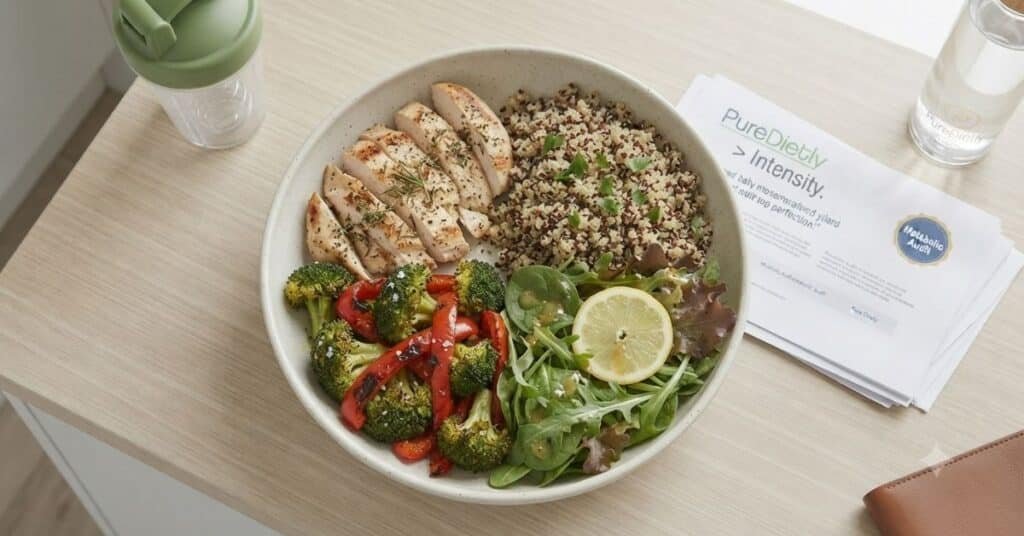
- 2 grilled chicken breasts (sliced)
- 1 cup cooked quinoa
- 2 cups roasted broccoli and bell peppers
- 1 tbsp olive oil
- Lemon herb dressing (light)
Instructions:
- Divide the cooked quinoa evenly between two meal-prep bowls as your base.
- Top with roasted vegetables and sliced grilled chicken breast.
- Drizzle lightly with olive oil and lemon herb dressing for a balanced, macro-friendly lunch that fuels muscle growth.
3. Low-Calorie Greek Yogurt Muscle Snack
- Prep time: 3 minutes
- Servings: 1
Ingredients:

- 3/4 cup plain non-fat Greek yogurt
- 1/4 cup fresh blueberries or raspberries
- 1 tsp raw honey or a dash of cinnamon
- 1 tbsp chopped walnuts or almonds
Instructions:
- Scoop the Greek yogurt into a small bowl.
- Top with fresh berries, chopped nuts, and a light drizzle of honey or cinnamon.
- Serve as a high-protein afternoon snack to maintain satiety and prevent muscle breakdown.
Simple Ways to Track Body Recomposition in a U.S. Kitchen
To keep your daily routine exciting, monitoring your progress at home is remarkably easy. Here are some quick, USA-friendly ideas for your lifestyle:

- Progress Photos: Take consistent weekly photos under identical lighting to capture visual changes that the bathroom scale might miss.
- Fit of Clothing: Notice how your favorite garments fit around your waist, shoulders, and legs as fat drops and muscle tones.
- Performance Tracking: Log your strength gains in the gym; consistently lifting more weight or performing extra reps proves muscle building is occurring.
Ready to Check Your Levels?
Use our Free Diabetic Calculators to track your A1C, Sugar Spikes, and Fasting Progress.
OPEN ALL CALCULATORS ➔Fast • Accurate • Free for Puredietly Readers
Frequently Asked Questions (FAQs)
- Q1: Can beginners lose fat and gain muscle at the same time?
- Answer: Yes, beginners experience a phenomenon called “newbie gains,” where the body readily builds muscle and burns fat simultaneously with proper resistance training and protein intake.
- Q2: Do I need to track calories to lose fat and gain muscle?
- Answer: While strict tracking isn’t mandatory, eating at a slight caloric deficit or maintenance level while keeping protein high is essential for successful body recomposition.
- Q3: How much protein do I need daily?
- Answer: Aim for roughly 0.8 to 1 gram of protein per pound of body weight to effectively support muscle recovery and growth.
Conclusion
Ultimately, understanding how to lose fat gain muscle opens the door to upgrading your daily physique and metabolic health. Because it is naturally packed with sustainable habits, proper protein intake, and smart training, it represents a fantastic addition to any wellness journey. Whether you are improving your morning routine, seeking a balanced body transformation, or simply looking for a wholesome fitness ritual, body recomposition is a brilliant choice.
About the Author
Gohar Fatima is a dedicated Metabolic Health Researcher and the visionary founder of PureDietly. Her primary mission is to translate complex nutritional science, glycemic research, and dietary data into actionable, easy-to-read food strategies that empower individuals within the U.S. and global communities to achieve long-term metabolic wellness.
Medical Disclaimer
This content is provided strictly for informational and educational purposes only and does not constitute formal medical advice, diagnosis, or treatment. Always consult with a qualified healthcare provider, registered dietitian, or certified physician before making significant changes to your daily diet, exercise routine, or health management plan.