

Editor’s Note:
As part of our ongoing PureDietly nutritional audit, this guide explores the best wheat-based meat alternative options to evaluate functional plant proteins, glycemic impacts, and daily wellness benefits for modern American routines.
Introduction
Finding clean, sustainable protein sources that fit a busy lifestyle can often feel overwhelming. Specifically, when you are trying to balance plant-based living with modern dietary goals, finding the right option is crucial. However, if you want to elevate your daily nutrition, exploring a high-protein wheat-based meat alternative stands out as a true dietary milestone. Furthermore, health-conscious individuals across the U.S. frequently ask: what exactly is this plant protein, and is it genuinely healthy for everyday meals?
Historically, mainstream diets relied heavily on processed soy or heavy animal proteins. Therefore, understanding the core science of vital wheat gluten is essential for anyone aiming to enhance daily energy, boost metabolic health, or embrace clean-eating habits. As a metabolic health researcher, I always look closely at how plant-based proteins, whole foods, and clean macronutrients interact with modern physiological needs.
In this comprehensive guide, we will break down what a wheat-based meat alternative involves, explore its nutritional profile, review effective ways to cook it, examine its glycemic impact, and share simple, mobile-friendly ways to incorporate it into your diet.
What Is a Wheat-Based Meat Alternative? (Understanding Seitan)
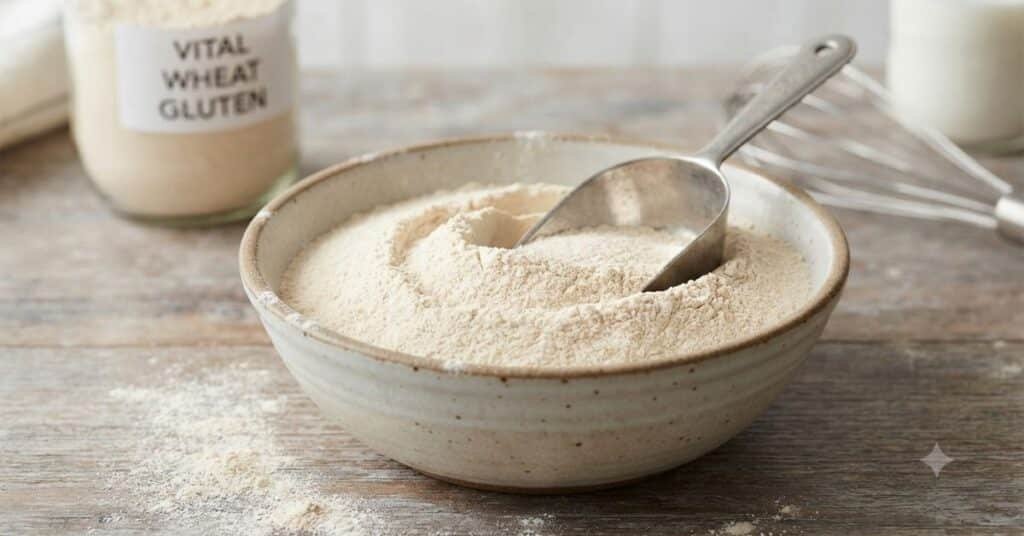
At its core, a wheat-based meat alternative—commonly known in culinary terms as seitan—is crafted by washing wheat flour dough with water until all the starch granules are removed. What remains is a sticky, insoluble network of pure wheat protein called gluten.
- High Protein Density: Unlike tofu or tempeh which rely on soybeans, seitan consists almost entirely of concentrated plant protein, making it remarkably similar in texture to animal meat.
- Versatile Plant-Based Protein: Because it readily absorbs marinades, broths, and spices, it serves as an exceptional canvas for clean-eating recipes.
Nutritional & Compound Breakdown: Seitan vs. Other Proteins
To give you a clear picture of your dietary impact, here is a quick reference table comparing a standard 3-ounce serving of this wheat-based meat alternative with other common protein sources:
| Protein Source | Calories (approx.) | Protein Content | Carbohydrates | Fat Content |
| Wheat-Based Meat (Seitan) | ~100–120 kcal | 20–25g | 3–5g | 1–2g |
| Firm Tofu | ~80–90 kcal | 8–10g | 2g | 4–5g |
| Chicken Breast | ~140 kcal | 26g | 0g | 3g |
| Lentils (Cooked) | ~115 kcal | 9g | 20g | 0.4g |

Note: Exact nutritional values can vary slightly depending on commercial preparation, added broths, or specific brand formulations.
Health Benefits: Why Choose a Wheat-Based Meat Alternative?
Integrating a structured plant-based protein source into your lifestyle offers several scientifically supported advantages for long-term health and wellness.
1. Exceptional Protein-to-Calorie Ratio
Because many vegetarian proteins come packed with extra carbohydrates or fats, finding a lean option can be challenging. Consequently, a wheat-based meat alternative delivers a massive protein punch with minimal calories, making it ideal for muscle maintenance and weight management.
2. Low Glycemic Impact and Metabolic Support
Moreover, because seitan is exceptionally low in carbohydrates and sugars, it causes minimal blood sugar fluctuations. Therefore, it fits seamlessly into specialized meal plans, supporting stable daily energy without causing insulin spikes.
PureDietly Tip: Always pair your wheat-based proteins with healthy fats and fiber-rich vegetables to ensure a complete, balanced amino acid profile and optimal digestion!
Culinary Integration: Cooking With Your Wheat-Based Meat Alternative

Integrating clean, protein-rich ingredients into your everyday culinary routine offers an incredible opportunity to merge rich flavor with functional wellness. Specifically, when you are experimenting with modern American kitchen creations, simmering your wheat-based meat alternative in a savory vegetable broth infused with soy sauce, garlic, and nutritional yeast transforms ordinary meals into savory masterpieces. Furthermore, beyond standard stir-fries, incorporating these protein strips into wholesome grain bowls or meal-prep wraps introduces a unique depth of flavor. Consequently, home cooks can effortlessly enhance both the aesthetic appeal and nutritional value of their favorite dishes without compromising on simplicity.
Interlinking Your Metabolic Diet (The PureDietly Strategy)
If you are carefully building a structured clean-eating meal plan, it is crucial to understand how different functional ingredients compare. For example, in our recent nutritional guides, we explored Body Recomposition: How to Lose Fat and Gain Muscle Simultaneously to see how high-protein nutrition supports lean tissue growth, and examined how heart-healthy choices like Brown Rice Benefits & Glycemic Impact support sustained energy.
Similarly, incorporating nutrient-dense whole grains and clean alternative proteins makes a massive difference in your daily wellness. By combining effective fitness strategies with these options, you actively support a balanced, highly resilient metabolic system.
1. Easy Homemade Seitan Basic Recipe (Wheat-Based Meat)
- Prep time: 15 minutes
- Cook time: 30 minutes
- Servings: 4

Ingredients:
- 1 cup vital wheat gluten flour
- 2 tbsp nutritional yeast (for savory flavor)
- 1 tsp garlic powder, onion powder, and smoked paprika
- 3/4 cup cold water or low-sodium vegetable broth
- 2 tbsp tamari or soy sauce
Instructions:
- In a large mixing bowl, whisk together the dry ingredients (vital wheat gluten, nutritional yeast, and spices).
- In a separate cup, combine the water, soy sauce, and liquid ingredients. Pour them into the dry mix and stir with a fork until a dough forms.
- Knead the dough gently for about 2 minutes to activate the gluten strands.
- Shape the dough into a log or cut into cutlets, then steam or simmer in vegetable broth for 30 minutes until firm and chewy.
2. Savory Garlic Herb Seitan Stir-Fry Bowl
- Prep time: 10 minutes
- Cook time: 15 minutes
- Servings: 2
Ingredients:
- 1.5 cups pre-cooked seitan strips (wheat-based meat alternative)
- 2 cups mixed stir-fry vegetables (broccoli, bell peppers, snap peas)
- 1 tbsp olive oil or sesame oil
- 2 tbsp low-sodium soy sauce or tamari
- 1 tsp minced fresh ginger and garlic
Instructions:
- Heat olive oil in a large skillet over medium-high heat. Add the sliced seitan strips and sear for 4–5 minutes until golden brown on the edges.
- Toss in the minced garlic, ginger, and mixed vegetables. Stir-fry for another 5–6 minutes until the vegetables are tender-crisp.
- Drizzle with soy sauce, toss everything evenly, and serve hot over brown rice or quinoa for a high-protein, clean-eating meal.
Simple Ways to Prepare and Track Your Protein Intake at Home
To keep your daily routine exciting, monitoring your nutritional intake and preparing your meals at home is remarkably easy. Here are some quick, USA-friendly ideas for your lifestyle:

- Batch Cooking: Prepare a large batch of seasoned seitan over the weekend and store it in meal-prep containers for quick weekday lunches.
- Macro Tracking: Log your daily protein intake using mobile apps to ensure your plant-based diet meets your muscle-recovery goals.
- Flavor Customization: Experiment with different spice rubs, including smoked paprika, onion powder, and poultry seasoning, to mimic your favorite comfort foods.
Ready to Check Your Levels?
Use our Free Diabetic Calculators to track your A1C, Sugar Spikes, and Fasting Progress.
Fast • Accurate • Free for Puredietly Readers
Ready to Check Your Levels?
Use our Free Diabetic Calculators to track your A1C, Sugar Spikes, and Fasting Progress.
OPEN ALL CALCULATORS ➔Fast • Accurate • Free for Puredietly Readers
Frequently Asked Questions (FAQs)
Q1: Is a wheat-based meat alternative safe for everyone?
Answer: Because seitan is made entirely from wheat gluten, anyone with Celiac disease or non-celiac gluten sensitivity must strictly avoid it. However, for healthy individuals, it is a safe and highly nutritious protein source.
Q2: Does seitan provide a complete protein profile?
Answer: While wheat gluten is slightly lower in the essential amino acid lysine, you can easily create a complete protein profile throughout the day by pairing your meal with legumes, beans, or a varied whole-food diet.
Q3: How does it impact blood sugar levels?
Answer: Due to its very low carbohydrate content, it has a minimal glycemic impact, making it a great option for individuals monitoring their metabolic health.
Conclusion
Ultimately, incorporating a quality wheat-based meat alternative into your routine opens the door to upgrading your daily nutrition and metabolic health. Because it is naturally packed with high protein, low calories, and incredible culinary versatility, it represents a fantastic addition to any wellness journey. Whether you are improving your weekly meal prep, seeking a plant-based body transformation, or simply looking for a wholesome protein ritual, exploring seitan is a brilliant choice.
About the Author
Gohar Fatima is a dedicated Metabolic Health Researcher and the visionary founder of PureDietly. Her primary mission is to translate complex nutritional science, glycemic research, and dietary data into actionable, easy-to-read food strategies that empower individuals within the U.S. and global communities to achieve long-term metabolic wellness.
Medical Disclaimer
This content is provided strictly for informational and educational purposes only and does not constitute formal medical advice, diagnosis, or treatment. Always consult with a qualified healthcare provider, registered dietitian, or certified physician before making significant changes to your daily diet, exercise routine, or health management plan.