Published by Gohar Fatima | Metabolic Health Researcher
Editor’s Note
As part of our ongoing PureDietly nutritional audit, this guide explores japanese miso to evaluate its functional properties, gut health impacts, and culinary versatility for modern American kitchens.
Introduction
Finding clean, gut-friendly ingredients that elevate everyday cooking can sometimes feel overwhelming. Specifically, when you are trying to balance busy daily routines with clean eating, finding the right superfood is crucial. However, if you want to boost both flavor and nutrition, japanese miso stands out as a true culinary powerhouse. Furthermore, health-conscious individuals across the U.S. frequently ask: what exactly is miso, and how can it support daily wellness?
Historically, fermented foods have anchored traditional diets for centuries. Therefore, understanding the core characteristics of japanese miso is essential for anyone aiming to optimize digestion, add deep umami flavor to meals, or embrace clean-eating habits. As a metabolic health researcher, I always look closely at how traditional fermented foods interact with modern nutritional needs.
In this comprehensive 2026 guide, we will break down what miso is made of, explore its primary varieties, review its health benefits, examine its role in modern diets, and share simple, mobile-friendly ways to use it in your kitchen.
What Is Japanese Miso Made Of? Essential Knowledge
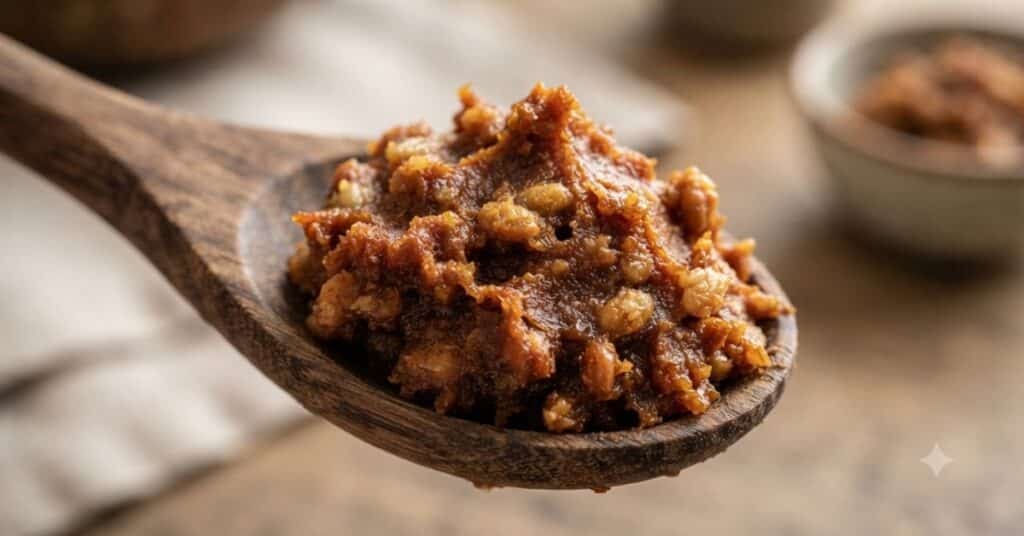
At its core, japanese miso is a traditional thick paste created by fermenting soybeans with salt, water, and koji (a fermentation starter made using the fungus Aspergillus oryzae grown on rice, barley, or soybeans).
Because of this unique two-step fermentation process, complex starches and proteins break down into amino acids and natural sugars. Consequently, this process generates rich glutamic acid, which provides miso with its signature savory, umami flavor profile.
Nutritional Profile Overview
To give you a clear picture of its dietary impact, here is a quick reference table showing the general nutritional breakdown per standard tablespoon (approx. 17g) of traditional miso paste:
Nutrient Component
Amount (Per 1 Tbsp / 17g)
Metabolic & Dietary Impact
Calories
~34 kcal
Light, savory flavor addition with minimal energy density
Protein
~2g
Plant-based amino acids from fermented soybeans
Dietary Fiber
~1g
Supports steady digestion and gut microbiota
Sodium
~634mg
Natural seasoning component (use mindfully on low-sodium plans)
Probiotics & Enzymes
Varies by brand
Live cultures that support gut health and nutrient absorption
Note: Exact sodium and probiotic counts can vary depending on whether you choose traditional unpasteurized artisan blends or commercial pasteurized varieties.
Main Types of Japanese Miso and Their Characteristics
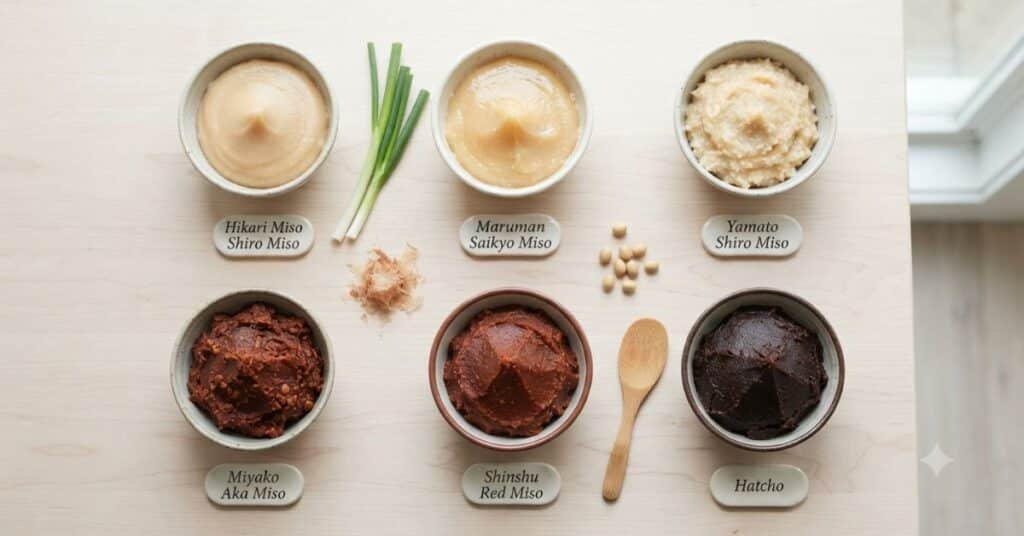
Because fermentation times and ingredients vary greatly, japanese miso comes in several distinct varieties. Choosing the right type depends on your recipe and flavor preference.
White Miso (Shiro Miso): Fermented for the shortest duration (often just a few weeks to two months), white miso is light in color and offers a mild, sweet, and approachable flavor. Therefore, it works wonderfully in light salad dressings and quick glazes.
Red Miso (Aka Miso): Fermented much longer with a higher soybean ratio, red miso features a deep, dark color, robust body, and salty, earthy intensity. Consequently, it excels in hearty soups and long-simmered marinades.
Yellow Miso (Shinshu Miso): Aged moderately, yellow miso provides a balanced, earthy, and slightly acidic flavor profile that suits a wide variety of everyday cooking applications.
Blended Miso (Awase Miso): A harmonious mix of white and red varieties, offering a versatile middle-ground flavor ideal for general kitchen use.
Health Benefits: Why Japanese Miso Is a Functional Superfood
Integrating japanese miso into your routine offers several scientifically supported advantages for long-term health.
1. Supports Gut Health and Digestion
Because miso undergoes natural fermentation, it is rich in live probiotics and beneficial enzymes. Consequently, consuming unpasteurized miso helps populate the digestive tract with friendly bacteria, improving overall gut microbiome balance and nutrient absorption.
2. Rich Source of Antioxidants
Moreover, the soybeans used in miso contain natural plant compounds called isoflavones, which act as protective antioxidants. Therefore, they help minimize oxidative stress caused by free radicals within the body. Furthermore, keeping your cellular health optimized reduces systemic inflammation.
PureDietly Tip: Always stir your miso paste into warm liquids after removing them from direct heat. Boiling destroys the live probiotic cultures and beneficial enzymes!
Interlinking Your Metabolic Diet (The PureDietly Strategy)
If you are carefully building a structured clean-eating meal plan, it is crucial to understand how different functional foods and grains compare. For example, in our recent nutritional guides, we explored Carbs in Pears to see how fruit fiber supports metabolic balance, and examined how heart-healthy choices like Oat Bran Reduce Cholesterol naturally.
Similarly, incorporating nutrient-dense whole grains makes a massive difference in your daily wellness. When pairing wholesome meals, you can alternate between our deep dives on Brown Rice Benefits & Glycemic Impact, mineral-rich Red Rice Nutrition Facts, antioxidant-packed What Is Black Rice, and unique Bamboo Rice Health Benefits. By combining fermented superfoods like miso with these whole grains, you actively support a balanced, highly resilient metabolic system.
Simple Ways to Use Japanese Miso in a U.S. Kitchen
To keep your meals exciting, incorporating japanese miso into modern American recipes is remarkably easy. Here are some quick, USA-friendly meal ideas for your routine:
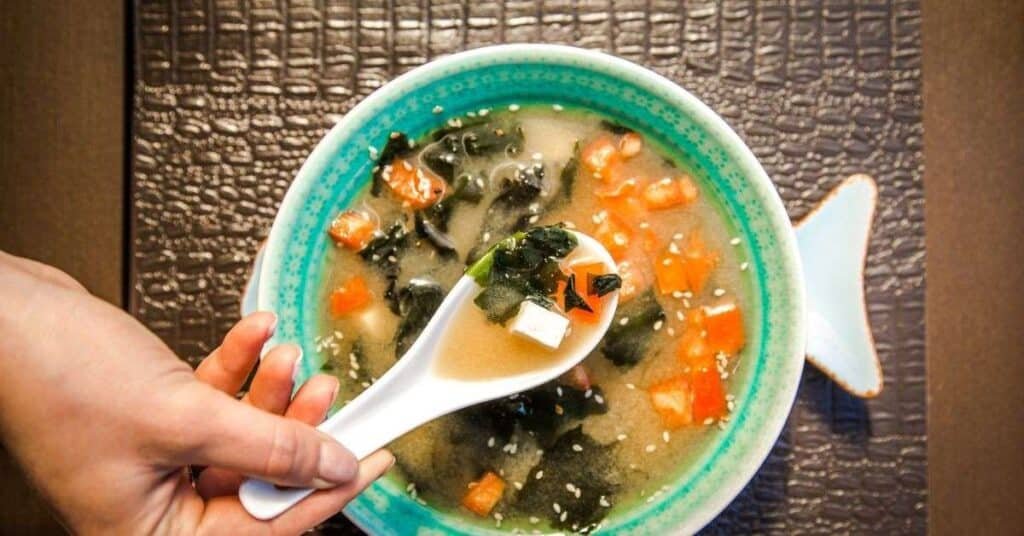
As a Quick Comfort Soup: Whisk a spoonful of white or yellow miso into warm dashi or vegetable broth alongside tofu cubes and scallions.
In Creamy Salad Dressings: Blend white miso with olive oil, a splash of rice vinegar, and a touch of honey for a savory, umami-rich vinaigrette.
As a Savory Marinade: Combine red miso with garlic, ginger, and a bit of maple syrup to glaze roasted vegetables or protein dishes.
Avoid High Heat: Always remember to stir miso in at the very end of cooking to protect its delicate probiotic profile.
Overcoming Common Challenges When Using Miso
When people first start cooking with miso, they sometimes worry about sodium levels or storage. Therefore, it is important to use it mindfully. Because miso is naturally salty, you can reduce added table salt in your recipes when using miso as a seasoning base.
Furthermore, proper storage is essential. Because it contains live cultures, store your opened container of miso tightly sealed in the refrigerator, where it will remain fresh and active for several months.
Ready to Check Your Levels?
Use our Free Diabetic Calculators to track your A1C, Sugar Spikes, and Fasting Progress.
Q1: Does heating miso destroy its health benefits?
Answer: Yes, boiling miso on high heat can destroy its live probiotics and beneficial enzymes. Therefore, it is best to stir miso into soups or sauces after removing them from the direct heat source.
Q2: Is Japanese miso gluten-free?
Answer: While pure soybean and rice miso varieties are typically gluten-free, some types (like barley miso or certain wheat-inoculated blends) contain gluten. Always check product labels carefully if you have sensitivities.
Q3: How should I store miso paste after opening?
Answer: Because it contains live cultures, store your opened container of miso tightly sealed in the refrigerator, where it will remain fresh for several months.
Conclusion
Ultimately, understanding japanese miso opens the door to upgrading your daily cooking and gut health. Because it is naturally packed with savory umami flavor, plant protein, live probiotics, and essential antioxidants, it represents a fantastic addition to any clean-eating diet. Whether you are improving your digestion, seeking sustainable flavor upgrades, or simply looking for a wholesome soup base, this traditional paste is a brilliant choice.
Just remember to add it off the heat, store it properly, and enjoy its rich, earthy flavor in your favorite home-cooked meals.
About the Author
Gohar Fatima is a dedicated Metabolic Health Researcher and the visionary founder of PureDietly. Her primary mission is to translate complex nutritional science, glycemic research, and dietary data into actionable, easy-to-read food strategies that empower individuals within the U.S. and global communities to achieve long-term metabolic wellness.
Medical Disclaimer
This content is provided strictly for informational and educational purposes only and does not constitute formal medical advice, diagnosis, or treatment. Always consult with a qualified healthcare provider, registered dietitian, or certified physician before making significant changes to your daily diet or health management plan.