

If you are searching for a way to achieve metabolic resilience, look no further than the Okinawa diet. Historically, the people of Okinawa, Japan, have maintained some of the highest life expectancy rates in the world, often living past 100 with minimal chronic disease. Unlike modern, restrictive diet plans that focus purely on calorie restriction, this eating pattern centers on nutrient density and mindful habits. By prioritizing whole foods and consistent movement, the Okinawa diet provides a sustainable blueprint for blood sugar management and long-term health in 2026.
The Core Pillars of the Okinawa Diet
The success of this lifestyle is built on simple, evidence-based principles. It is not just about the specific foods consumed; rather, it is about the philosophy surrounding daily nourishment.
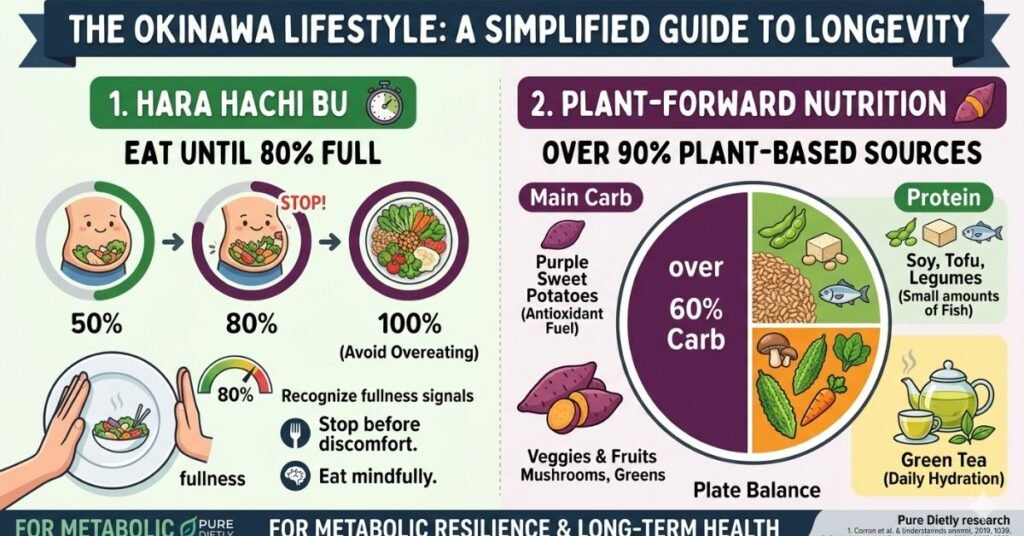
- Hara Hachi Bu: This is a vital practice where you stop eating when you are 80% full. It naturally prevents overeating and supports healthier digestion.
- Plant-Forward Nutrition: Over 90% of the traditional diet comes from plant-based sources. Specifically, purple sweet potatoes are the main fuel source, being rich in protective antioxidants.
- Consistency: The lifestyle emphasizes regular physical activity alongside mindful eating to maintain stable energy levels throughout the day.
- Community Connection: Longevity in Okinawa is also tied to “Moai,” which are social support groups. Reduced stress levels directly correlate to better cortisol regulation and metabolic health.
Nutritional Breakdown: Okinawa vs. Modern Diet
Understanding the shift from processed sugars to complex, natural carbohydrates is essential for your metabolic audit.

| Feature | Okinawa Diet | Modern Western Diet |
| Primary Carbs | Sweet Potatoes, Legumes | Refined Flour, Added Sugars |
| Protein Source | Soy, Fish, Tofu | Red Meat, Processed Meats |
| Fat Content | Healthy Omega-3s | Trans-fats, Saturated Fats |
| Eating Habit | Mindful/Portion Control | Frequent/Distracted Eating |
Key Foods for Metabolic Precision
To align with our 2026 standards for blood sugar management, focus on these staples that minimize glycemic spikes:

- Purple Sweet Potatoes: These are the cornerstone of the diet, providing complex carbohydrates that lead to stable glucose levels. They are packed with anthocyanins, which reduce oxidative stress.
- Soy Products: Tofu, miso, and edamame provide high-quality protein without the inflammatory effects often associated with heavy dairy consumption.
- Bitter Melon (Goya): Often used in traditional recipes, this vegetable is scientifically recognized for its blood sugar-stabilizing properties, acting almost like a natural insulin sensitizer.
- Green Tea: Packed with polyphenols, green tea helps combat oxidative stress, which is a major contributor to insulin resistance and metabolic decay.
- Seaweed and Mushrooms: These staples are nutrient-dense and low-calorie, providing essential minerals that support thyroid function and hormonal balance.
Why Longevity Starts with Metabolic Health
When we talk about the “Blue Zones,” we are talking about regions where metabolic health is an inherent part of the culture. Furthermore, the Okinawa diet proves that you do not need to rely on complex supplements to improve your metabolic resilience. By choosing foods that are naturally low on the Glycemic Index, you allow your body to heal from systemic inflammation. Therefore, the shift toward this lifestyle is a proactive clinical strategy for reversing metabolic damage.
In the context of 2026, where we face an epidemic of insulin-related issues, adopting these ancestral habits acts as a buffer. When you consume high-fiber, plant-based foods, your gut microbiome flourishes. A diverse gut flora is essential for regulating glucose metabolism, which in turn prevents the dreaded “sugar crash” that many people experience after a carb-heavy Western meal.
Adapting for Modern Metabolic Challenges
Many people ask if this diet can be followed in the Western world. The answer is a resounding yes, provided you focus on the principles rather than just the recipes. You can create an “Okinawa-inspired” kitchen by:

- Prioritizing Whole-Food Carbs: Always choose root vegetables over refined bread or white rice.
- Reducing Meat Intake: Treat fish or lean animal protein as a side dish rather than the main focus of your plate.
- Mindful Preparation: Spend time cooking your meals from scratch. This reconnection with food helps you stay mindful of portion sizes and ingredient quality.
Overcoming Challenges in the USA
Adopting this diet in the USA can be tricky due to the availability of ultra-processed foods. However, you can adapt these principles by:
- Swapping white potatoes for purple or sweet potatoes at dinner.
- Replacing your afternoon coffee with unsweetened green tea to avoid caffeine-induced cortisol spikes.
- Incorporating fermented soy (like miso) into your soups instead of cream-based stocks to support gut health.
Add Seaweed Salad to your daily carb limit in 30 seconds!
Frequently Asked Questions (FAQ)
- Is the Okinawa diet strictly vegan?
- While plant-based foods dominate, small amounts of fish and lean proteins are included occasionally.
- Can it help with diabetes?
- Its focus on low-glycemic, high-fiber foods may improve insulin sensitivity, but always consult your doctor before making major changes.
- Why is it called a “Blue Zone” diet?
- It is named after regions where people live significantly longer, healthier lives than the global average.
- Is it effective for weight loss?
- Yes, because of the high fiber and nutrient density, which promote satiety and prevent overeating.
Conclusion
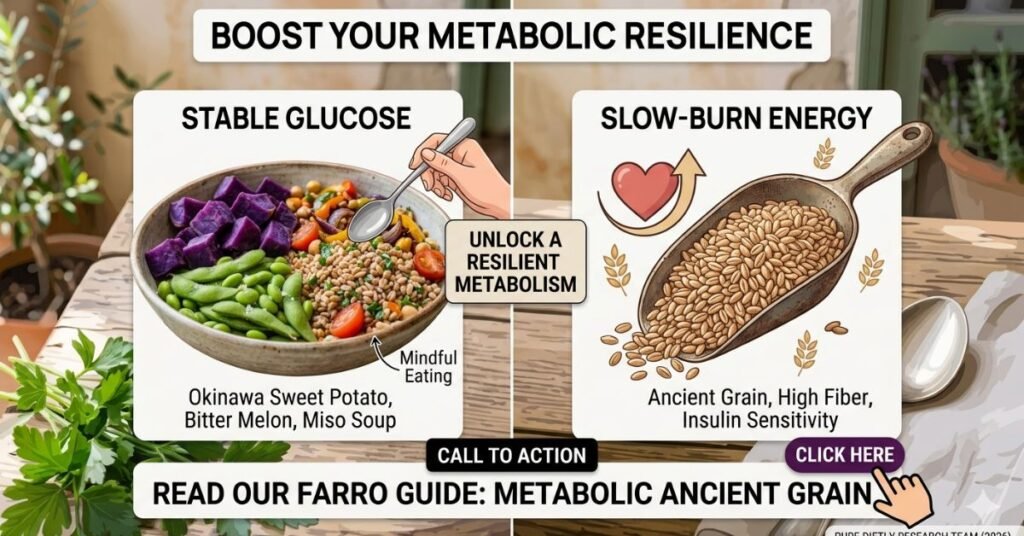
Adding the principles of the Okinawa diet to your weekly routine is a simple, effective way to boost your fiber intake and support better metabolic control. By choosing whole, intact plants over refined alternatives, you are taking a significant step toward better health. Remember, metabolic resilience is a journey of small, consistent choices starting with what you put on your plate.
About the Author
Gohar Fatima is a metabolic health researcher and the founder of Puredietly. With a focus on nutritional science, glycemic variability, and insulin-safe diets, she is dedicated to providing data-driven, “Zero Fluff” content that helps readers achieve metabolic resilience. As an experienced SEO practitioner, Gohar ensures that every piece of information on Puredietly meets the highest E-E-A-T standards, ensuring you receive trustworthy and actionable health guidance.
Medical Disclaimer
The information provided is for educational purposes only. Always consult with a qualified healthcare provider before making significant changes to your diet, especially if you are managing diabetes or other metabolic conditions.