
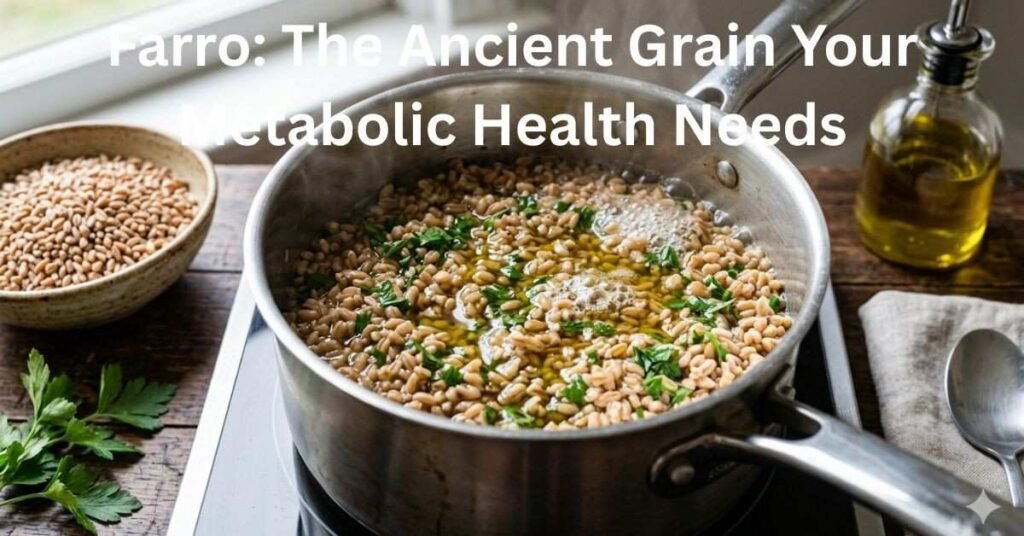
Editor’s Note: The 2026 Grain Audit
“At Pure Dietly, we believe that ‘ancient’ wisdom is the key to modern metabolic challenges. In our 2026 Grain Audit, we analyzed the glycemic response of various ancient grains compared to modern wheat alternatives. Our findings confirm that while grains like farro are nutrient-dense, their metabolic impact depends entirely on preparation specifically soaking and pairing with healthy fats. This guide is designed to empower you with the precision nutrition needed to support your blood sugar goals.” Pure Dietly Research Team, June 2026
If you are looking to upgrade your pantry with a grain that supports steady energy and gut health, farro should be at the top of your list. Often called the “pharaoh’s wheat,” this ancient grain has been a staple in Mediterranean kitchens for centuries. Beyond its nutty flavor and chewy texture, farro offers impressive nutritional benefits that make it a secret weapon for metabolic health. Whether you are managing blood sugar or simply looking for a nutrient-dense whole grain, farro is a versatile powerhouse that deserves a permanent spot in your kitchen.
What is Farro?
Farro is a hardy, nutrient-dense grain belonging to the wheat family. Unlike refined grains that go through heavy processing, whole-grain farro keeps its bran and germ intact. This means you get all the fiber, vitamins, and minerals that nature intended. It serves as a foundation for nutrient-dense meals that satisfy hunger while stabilizing blood sugar, making it superior to processed carbohydrates.
The Metabolic Power of Farro
Why are health experts recommending this ancient grain? It primarily comes down to how it affects your blood sugar.
- Steady Energy: Farro has a moderate glycemic index (GI), which means it digests slowly. This results in a gradual release of energy rather than a sharp sugar spike that leaves you feeling drained.
- High Fiber Content: Fiber is the ultimate “sugar shield”. It slows down the absorption of glucose into your bloodstream, making farro an excellent choice for those managing prediabetes or insulin sensitivity.
- Rich in Magnesium: Magnesium is a key player in insulin function. By improving your body’s sensitivity to insulin, farro helps your cells use glucose more efficiently.
Nutritional Comparison: Farro vs. Other Grains
Understanding how farro compares to other common pantry staples is essential for balanced meal planning.
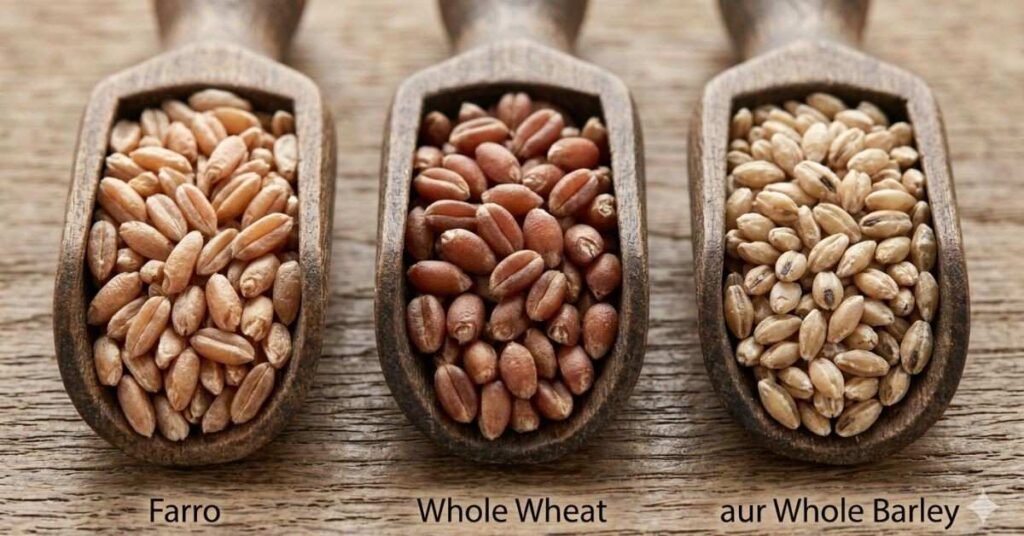
| Feature | Farro | Whole Wheat | Barley |
| Protein | High | Moderate | Moderate |
| Fiber | Excellent | High | Very High |
| Texture | Chewy/Nutty | Dense | Soft/Chewy |
| Best For | Salads & Soups | Baking & Breads | Hearty Stews |
For a deeper dive into grain comparisons, check out our guides on Whole Wheat and Barley Nutrition.
Top Health Benefits of Farro
1. Supports Digestive Health
The prebiotic fiber in farro acts as fuel for the beneficial bacteria in your gut. A healthy microbiome is essential for everything from immunity to mood regulation. By increasing the diversity of your gut flora, you create a more resilient internal environment.
2. Aids Weight Management
Because it is packed with protein and fiber, farro helps you stay full longer. This satiety makes it easier to avoid unnecessary snacking throughout the day. High-protein grains are generally more effective at curbing appetite than refined carbohydrates, supporting long-term metabolic health.
3. Heart Health Hero
Farro contains niacin (Vitamin B3) and plant polyphenols. These nutrients help maintain healthy cholesterol levels and reduce systemic inflammation, which is vital for cardiovascular protection. Antioxidants found in the grain’s outer layers also provide additional protection against oxidative stress.
The Role of Ancient Grains in 2026 Nutrition
As we navigate 2026, the focus has shifted toward “Metabolic Precision.” Eating like our ancestors favoring unprocessed, whole grains is no longer just a trend; it is a clinical strategy for reversing metabolic damage. Farro is uniquely positioned because it lacks the “bleached” profile of modern white flour, ensuring your body processes the energy naturally.
How to Cook Farro Like a Pro
Because farro is a whole grain, it does require a little preparation to get that perfect “al dente” chew.
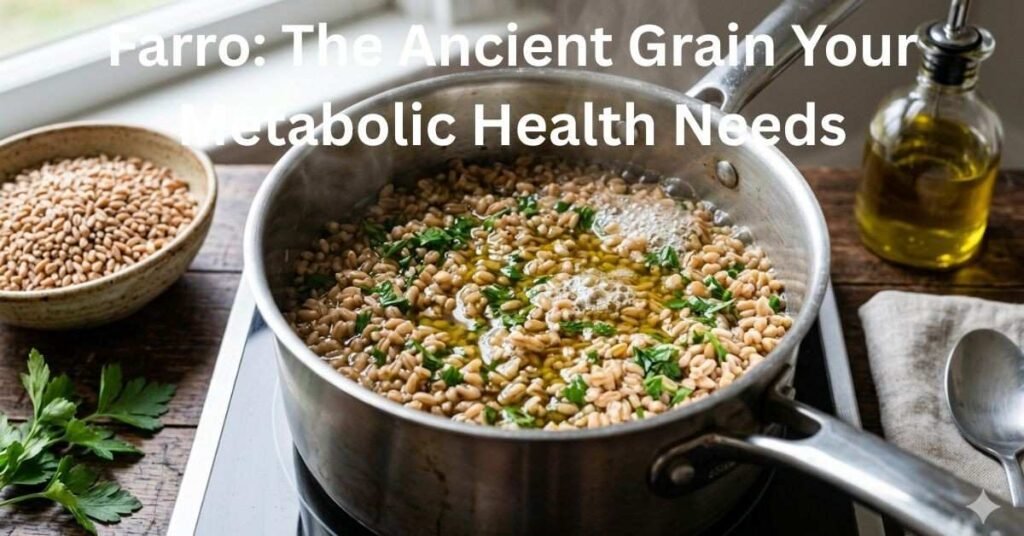
- The Soak Method: Soak your whole-grain farro overnight to soften the outer bran. This reduces cooking time and improves texture significantly.
- The Simmer: Boil in water or broth for 30–40 minutes until tender. Always use a 3-to-1 ratio of liquid to grain for the best results.
- Serving Suggestion: Toss it with olive oil, fresh herbs, and chickpeas for a complete, metabolic-friendly meal.
Recipe Ideas for Metabolic Success
To maximize your intake of this grain, try incorporating these simple, metabolic-safe methods:
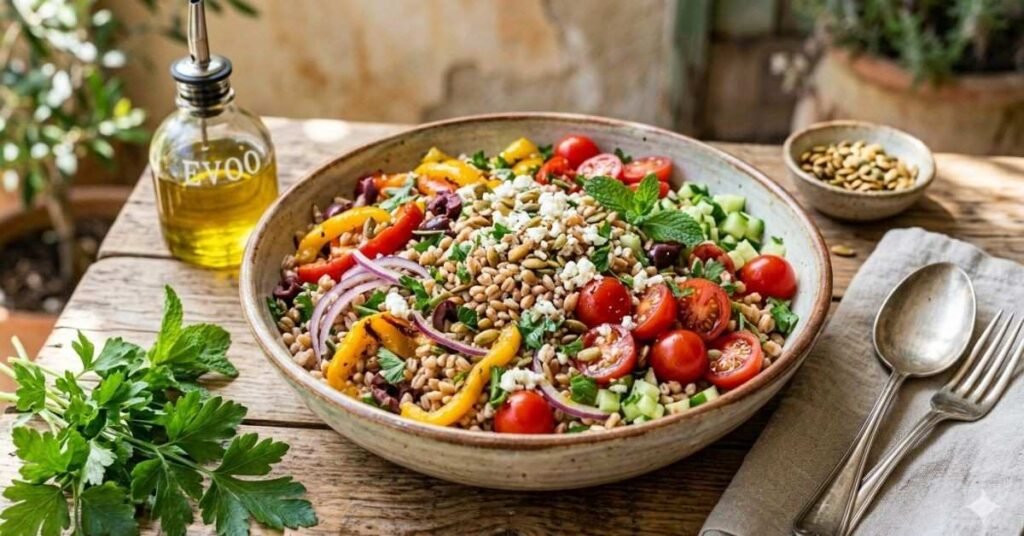
- The Mediterranean Farro Salad: Mix cooked farro with cucumbers, cherry tomatoes, olives, and a splash of lemon-tahini dressing.
- Hearty Farro Soup: Add farro to a vegetable broth base with carrots, celery, and kale for a filling, high-fiber dinner.
- Breakfast Farro Bowl: Use farro as a base instead of oatmeal, topped with walnuts and seeds for an extra boost of healthy fats and protein.
Frequently Asked Questions
Is farro safe for diabetics?
Yes, farro is generally a safe and beneficial grain for diabetes when consumed in moderation as part of a balanced diet, thanks to its high fiber and protein content.
Does farro contain gluten?
Yes, farro is a species of wheat and therefore contains gluten. It is not suitable for those with celiac disease or severe gluten sensitivity.
How is it different from barley?
While both are ancient grains, farro typically has a higher protein content and a nuttier, more complex flavor than standard pearl barley.
Add Seaweed Salad to your daily carb limit in 30 seconds!
Conclusion
Adding farro to your weekly meal rotation is a simple, effective way to boost your fiber intake and support better blood sugar control. By choosing whole, intact grains over refined alternatives, you are taking a significant step toward better metabolic resilience. Remember, metabolic health is a journey of small, consistent choices starting with what you put on your plate.
About the Author
Gohar Fatima is a prominent Metabolic Health Researcher and the founder of Pure Dietly. With a specialized focus on nutritional science and clinical biomarkers, she dedicates her work to helping the USA audience navigate complex health data with ease. Her mission is to simplify the science of insulin resistance and metabolic resilience, providing actionable, data-driven guides for everyday healthy living.
Medical Disclaimer
“The information provided in this article is for educational purposes only and does not constitute medical advice, diagnosis, or treatment. While farro is a nutrient-rich whole grain, individual responses to carbohydrate intake vary based on health conditions, medications, and activity levels. Always consult with a qualified healthcare provider or a registered dietitian in the USA before making significant changes to your medical treatment or diet, especially if you are managing diabetes or other metabolic conditions.”