
Editor’s Note
As modern nutritional science continues to explore the impact of functional foods on metabolic wellness, integrating nutrient-dense ingredients has become a top priority for health-conscious individuals. At Pure Dietly, our editorial team researches whole-food nutrition to help you make informed dietary choices. This comprehensive guide on the uses of black sesame seeds is designed to help you unlock the full nutritional and culinary potential of these ancient seeds safely and effectively.
Introduction: Rediscovering an Ancient Superfood
As modern wellness culture shifts toward nutrient-dense, functional foods, the uses of black sesame seeds have expanded far beyond traditional baking and Asian cuisine. For health-conscious Americans navigating busy modern lifestyles, finding quick and sustainable ways to upgrade daily nutrition is a top priority. Whether you are grabbing a quick morning meal or prepping macro-friendly recipes for the week, integrating nutrient-dense ingredients like black sesame seeds offers a seamless way to boost your daily mineral and antioxidant intake without disrupting your metabolic routine. From trendy wellness lattes to holistic longevity diets, these tiny dark seeds are capturing attention. Unlike their hulled white counterparts, black sesame seeds retain their nutrient-rich hull, offering a powerhouse of antioxidants, healthy fats, and essential minerals. In this comprehensive guide, we explore how incorporating black sesame seeds into your daily routine can support your metabolic health, cellular vitality, and overall wellness.
The Nutritional Profile: Hard Data Behind the Seed
Understanding the hard data behind what you eat is essential for maintaining optimal health and macros. A single serving of black sesame seeds packs a dense concentration of vital nutrients that support various physiological pathways.
| Nutrient Component | Amount per Serving (Approx. 1 Tablespoon / 9g) |
| Calories | 52 kcal |
| Total Fat | 4.5g (Healthy Monounsaturated & Polyunsaturated Fats) |
| Total Carbs | 2.1g |
| Dietary Fiber | 1.1g |
| Protein | 1.6g |
| Calcium | ~88mg (Crucial for bone density) |
- These tiny seeds are exceptionally rich in copper, manganese, and iron, supporting cellular energy production and oxygen transport.
- They contain unique plant compounds called lignans (specifically sesamin and sesamolin), which help combat oxidative stress throughout the body.
- Because they are naturally low in carbohydrates, they fit seamlessly into low-carb and blood-sugar-conscious diets without causing unwanted glucose volatility.
Top Health Benefits and Functional Uses
Integrating black sesame seeds into your meals does more than add a nutty crunch; it delivers targeted physiological benefits that back up their growing popularity in modern nutrition.
- Cellular Protection and Antioxidants: The high concentration of sesamin helps neutralize free radicals, protecting your cells from premature aging and systemic chronic inflammation.
- Metabolic and Heart Support: Healthy plant fats assist in maintaining balanced cholesterol levels, supporting long-term cardiovascular resilience and vascular function.
- Bone Density Maintenance: Due to their impressive calcium and mineral content, they serve as a valuable plant-based addition for strengthening skeletal health.
- Digestive Harmony: The natural dietary fiber content promotes healthy gut motility, keeping your digestive tract running smoothly and supporting microbiome diversity.
Creative Culinary Uses: How to Add Them to Your Daily Diet
Finding simple, delicious ways to eat black sesame seeds ensures you can maintain consistency without overcomplicating your meal prep or daily routine.

- The Wellness Latte Trend: Grind roasted black sesame seeds into a fine paste and blend them with warm plant-based milk for a nutrient-dense, comforting morning drink.
- Salad and Grain Toppers: Sprinkle whole or lightly toasted seeds over quinoa, roasted vegetables, or green salads to add a rich, earthy flavor profile and an instant textural upgrade.
- Smoothie Boosters: Toss a tablespoon into your daily protein or fat-forward smoothie to enhance texture, healthy fat content, and overall nutrient density.
- Baking and Marinades: Use them as a decorative, nutrient-packed crust for fish or poultry, or fold them into homemade low-carb crackers to boost your daily fiber intake.
Deep Dive: The Science of Sesamin and Metabolic Health
Beyond basic macronutrients, black sesame seeds contain specialized bioactive compounds that make them a subject of intense interest in nutritional research. Sesamin, the primary lignan found in these seeds, undergoes liver metabolism where it acts as a potent antioxidant. Studies suggest that these lignans can assist in upregulating fatty acid oxidation enzymes in the liver, meaning your body becomes more efficient at processing dietary fats rather than storing them indiscriminately.
Furthermore, the specific lipid profile of black sesame seeds is heavily weighted toward unsaturated fats, notably oleic and linoleic acids. These essential fatty acids do not trigger the inflammatory cascades often associated with refined industrial seed oils. Instead, they promote healthy cellular membrane fluidity and support endocrine balance. When integrated into a clean, whole-food dietary framework, these fats help buffer insulin responses, preventing the sharp post-prandial spikes that plague modern diets laden with processed carbohydrates.
Historical Context and Traditional Wellness Applications
Long before modern clinical trials isolated lignans and measured antioxidant capacities, ancient herbal systems—particularly Traditional Chinese Medicine (TCM)—revered black sesame seeds as a supreme longevity tonic. In classical texts, black foods are systematically associated with the water element and the kidneys, which govern constitutional vitality, hair pigmentation, and skeletal strength.
While modern science views these attributes through the lens of micronutrient density (such as high copper content supporting melanin production in hair and rich mineral profiles supporting bone matrix formation), the historical intuition aligns remarkably well with current biochemical findings. Traditional practitioners prescribed black sesame pastes and porridges to combat fatigue, nourish dry tissues, and support recovery after prolonged physical depletion. Reintroducing these practices into a contemporary wellness routine bridges ancestral wisdom with modern metabolic science.
Practical Kitchen Strategies: Maximizing Nutrient Bioavailability
Because black sesame seeds possess a hard, protective outer hull, simply swallowing them whole can mean missing out on a significant portion of their nutritional value. Human digestive enzymes struggle to fully penetrate the intact seed coat, which means many seeds pass through the gastrointestinal tract unabsorbed. To truly unlock their benefits, preparation technique matters significantly:
- Light Toasting: Gently dry-roasting the seeds in a skillet over low heat for a few minutes breaks down minor cellular walls and releases aromatic essential oils, enhancing both flavor and digestibility.
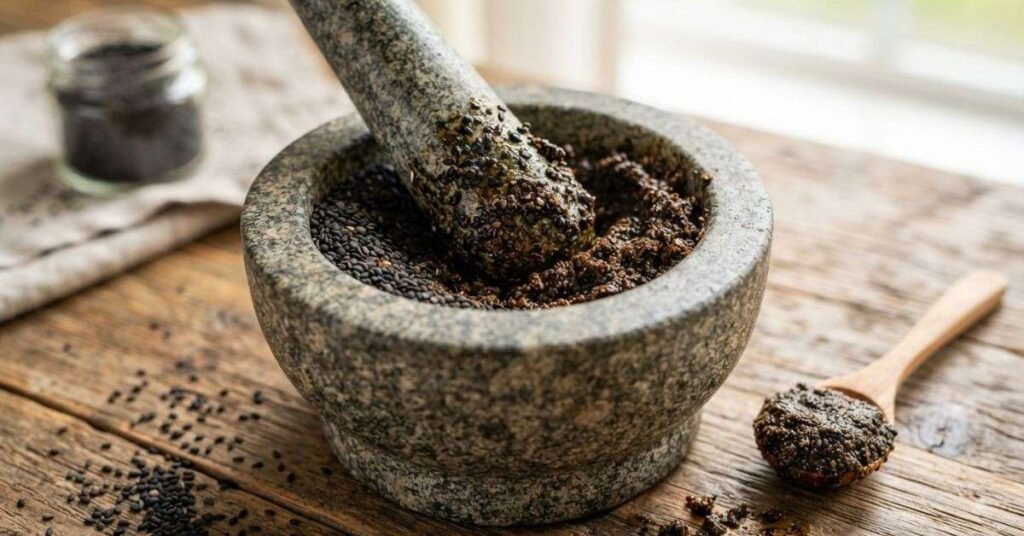
- Crushing or Grinding: Utilizing a mortar and pestle, a spice grinder, or a high-speed blender to crush the seeds just before consumption ensures that your digestive system can fully access the internal oils, proteins, and minerals.
- Soaking or Sprouting: For advanced meal prep, soaking raw black sesame seeds overnight can help reduce natural anti-nutrients like phytic acid, further optimizing mineral absorption, particularly for iron and calcium.
Balancing Your Plate: Integrating Seeds with Other Foods
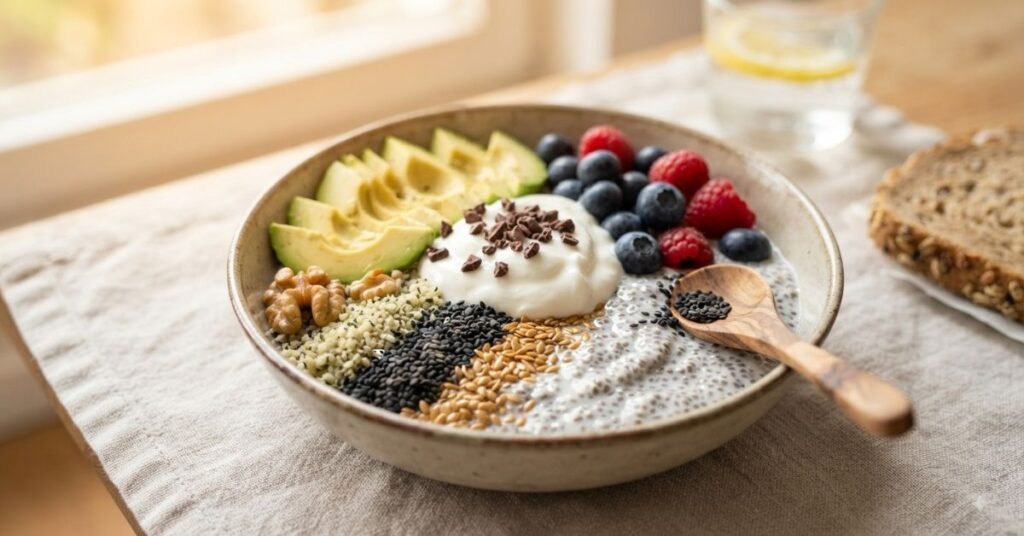
True metabolic health relies on dynamic balance rather than single-nutrient focus. While black sesame seeds provide incredible healthy fats and minerals, they work best when paired thoughtfully with other whole foods. For instance, combining healthy seed fats with complex carbohydrates or proteins helps maintain steady energy curves. By focusing on whole, unrefined foods and maintaining a balanced approach to your daily carbohydrates and healthy fats, you can support long-term cellular vitality and steady energy levels throughout your demanding schedule. If you are examining how various breakfast choices or grains impact your daily glucose levels, it is always wise to look at the broader picture—much like understanding how starchy staples or breakfast items affect your system. For deeper insights on managing glucose and evaluating everyday meal choices, check out our detailed guide on Is Shredded Wheat Spiking Your Blood Sugar? The 2026 Metabolic Truth.
Ready to Check Your Levels?
Use our Free Diabetic Calculators to track your A1C, Sugar Spikes, and Fasting Progress.
Fast • Accurate • Free for Puredietly Readers
Frequently Asked Questions (FAQs)
Q1: Do black sesame seeds help lower blood sugar?
A: While they are not a medical treatment, their low carbohydrate content and healthy fat profile make them a wonderful addition to balanced, blood-sugar-friendly meal plans. For deeper insights on managing glucose, check out our guide on Is Shredded Wheat Spiking Your Blood Sugar? The 2026 Metabolic Truth.
Q2: Are black sesame seeds better than white sesame seeds?
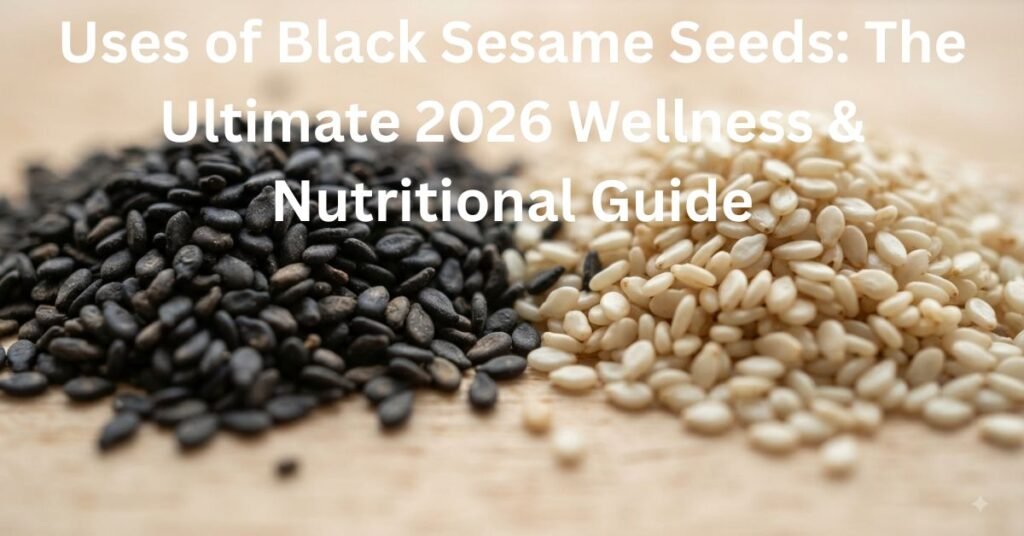
A: Black sesame seeds keep their outer hull intact, meaning they generally offer a stronger flavor, higher antioxidant levels, and more concentrated minerals than hulled white seeds.
Q3: How many black sesame seeds should I eat daily?
A: A standard serving size is about one to two tablespoons per day, which provides a healthy dose of minerals and fats without overloading your daily calorie intake.
Conclusion
Embracing the diverse uses of black sesame seeds is a simple yet powerful way to elevate your everyday nutrition. By respecting the balance of healthy fats, fiber, and essential minerals, you can support your long-term vitality. True wellness is built on small, consistent dietary choices rather than extreme restrictions.
About the Author
Gohar is a dedicated nutrition researcher specializing in metabolic health and dietary optimization for the modern lifestyle. With a focus on data-driven wellness, Gohar translates complex clinical and nutritional findings into actionable, everyday dietary strategies. At Pure Dietly, the mission is to help readers look beyond standard food labels to discover the real impact of everyday whole foods on long-term vitality, metabolic balance, and overall well-being.
3. Medical Disclaimer
The information provided in this article is for educational and informational purposes only and is not intended as medical advice. While we use up-to-date nutritional insights, individual metabolic responses and dietary needs vary. Always consult with a qualified healthcare professional or your doctor before making significant changes to your diet, especially if you are managing a medical condition, taking medications, or have underlying health concerns. Pure Dietly does not provide medical diagnoses or treatment plans.