

Editor’s Note
Editor’s Note: At PureDietly, our mission is to make metabolic health accessible through clear, science-based information. Every article is published only after thorough research and a nutritional audit to ensure you can make informed decisions. We strive to provide you with reliable data to help you optimize your health and well-being.
We are often told that fiber is the ultimate, non-negotiable solution for a sluggish digestive system. From cereal boxes to health blogs, the narrative is consistent: “Just add more fiber.” However, have you ever felt more bloated, gassy, and backed up after significantly increasing your fiber intake? If so, you are not alone. Can too much fiber cause constipation? The short answer is a definitive yes.
While fiber is a cornerstone of a healthy, balanced diet, consuming excessive amounts—or increasing your intake too rapidly—can trigger the exact digestive discomfort you are trying to avoid. Essentially, when your gut is overwhelmed by fiber without adequate hydration, it can lead to severe discomfort. Therefore, understanding the delicate, science-backed balance between your fiber intake and your overall digestive wellness is crucial for maintaining metabolic health.
The Science: Why Fiber Can Sometimes Backfire
To understand why fiber causes constipation, we must first look at how it operates within the body. Fiber acts like a sponge in your digestive tract. To function correctly and move through your system efficiently, it requires a significant amount of water.

- The Hydration Paradox: If you consume high amounts of fiber but fail to drink enough water, this “sponge” becomes hard, bulky, and difficult for your colon to pass.
- Lubrication Issues: This creates a paradox where you are adding more “bulk,” but your digestive tract lacks the lubrication to move that bulk along, resulting in exactly what you are trying to fix: constipation.
- Fermentation Overload: Furthermore, fiber is fermented by bacteria in your gut. If you suddenly dump a large amount of fiber into your system, your gut bacteria may produce excess gas as they struggle to ferment the sudden influx.
- Transit Delays: This leads to uncomfortable bloating, cramping, and distension before the transit even occurs.
Fiber Intake vs. Hydration Balance
| Daily Fiber Goal | Water Intake Needed | Symptom Check |
|---|---|---|
| 25-30g (Standard) | 2 Liters Minimum | Normal transit |
| 40g+ (High) | 2.5 – 3 Liters | Potential bloating |
| Low (Poor diet) | 1.5 Liters | Increased constipation |
Recognizing the Signs of Fiber Overload
If you are currently struggling to distinguish between a healthy digestive response and fiber overload, look for these specific indicators:

- Excessive Bloating: You feel distended shortly after eating fiber-rich grains, beans, or legumes.
- Persistent Gas: Your body is struggling to ferment the extra fiber, leading to uncomfortable gas build-up that doesn’t dissipate easily.
- Abdominal Cramping: Your colon is working overtime to move the high-fiber bulk, leading to sharp, localized pain.
- Stool Hardening: Ironically, you notice harder stools, which is a classic sign of insufficient water intake combined with high fiber.
Detailed Protocol: How to Fix Fiber-Induced Constipation
If you have realized your fiber intake is causing issues, do not panic. Essentially, you need to recalibrate your approach to metabolic health to allow your gut to recover.
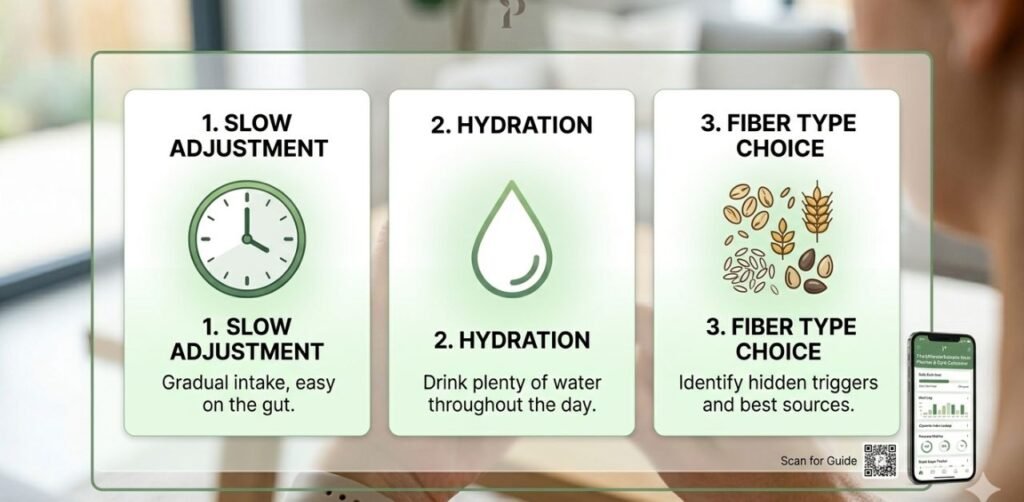
1. The Gradual Adjustment Rule
If you want to increase your fiber intake, do it slowly over 1–2 weeks. Because your gut needs time to adapt to new dietary patterns, a sudden spike in fiber will almost always cause distress.
2. Prioritize Hydration
Since fiber pulls water into the colon, you must increase your water intake proportionately. In fact, if you aren’t drinking at least 2 liters of water daily, you should avoid adding more fiber to your diet.
3. Choose the Right Fiber Type
Not all fibers are created equal. You should distinguish between soluble fiber (found in oats and apples) and insoluble fiber (found in whole grains and nuts). If you struggle with constipation, soluble fiber is generally gentler on the system.
- Pro-Tip: Check your current diet for hidden triggers. Sometimes, it isn’t just the fiber; it is the food additives found in processed “high-fiber” snacks that cause gut inflammation.
The Metabolic Perspective: Beyond Fiber
At PureDietly, we believe that gut health is not just about fiber intake—it’s about overall metabolic stability. If your digestion is frequently sluggish, it might be time for a more comprehensive metabolic health audit.
Furthermore, many people struggle with digestion because they ignore the glycemic impact of their grains. Understanding how different foods affect your blood sugar is just as important as managing your fiber consumption. For a deeper dive into this, I recommend reading our guide on the Glycemic Index & Nutrition to ensure your grains are actually serving your body’s needs.
In-Depth Troubleshooting for Constipation
Beyond just fiber, consider these lifestyle factors that contribute to digestive health:
- Physical Movement: Regular exercise helps stimulate the natural contractions of your intestines (peristalsis).
- Stress Management: High stress levels can directly affect your gut-brain axis, leading to slow digestion.
- Eating Rhythm: Eating at irregular times can confuse your digestive system. Consistency is key for metabolic regularity.
When to See a Doctor
While dietary adjustments help most people, you must be vigilant. If you experience the following “Red Flag” symptoms, please seek professional medical advice immediately:
- Unexplained weight loss.
- Blood in your stool.
- Severe abdominal pain that does not go away.
- Constipation that persists for more than two weeks despite dietary changes.
Add Seaweed Salad to your daily carb limit in 30 seconds!
Frequently Asked Questions (FAQs)
- Where does the information on PureDietly come from?
- All of our content is based on metabolic health research and nutritional science to ensure you receive accurate and reliable data.
- Is this content suitable for weight loss or diabetes management?
- Yes, we focus on the glycemic index and metabolic health, which are essential components in understanding weight management and addressing insulin resistance.
- Should I consult a doctor before starting a new diet?
- Absolutely. It is highly important to consult with your physician or healthcare provider before adopting any new dietary strategy or lifestyle change.
Final Thoughts
At the end of the day, fiber is a tool, not a universal cure. Your metabolic health depends on how your body processes nutrients, not just on how much bulk you consume. If you feel like your digestive system is stuck, listen to your body and make adjustments accordingly.
By following a balanced approach, you can restore your gut motility and improve your overall well-being. Keep tracking your progress, audit your food choices, and stay healthy!
About the Author: Gohar Fatima
Gohar Fatima Gohar Fatima is an independent metabolic health researcher and a professional SEO digital entrepreneur. Driven by a passion for health and nutrition, she founded PureDietly.com to help individuals improve their metabolic well-being through science-backed research. She maintains a deep focus on metabolic health topics, including the glycemic index, insulin resistance, and nutritional optimization.
2. Medical Disclaimer
Disclaimer: The information provided on PureDietly.com is for educational purposes only and should not be considered a substitute for professional medical advice, diagnosis, or treatment. Always seek the advice of your physician or another qualified healthcare provider with any questions you may have regarding a medical condition or before making any significant changes to your diet or lifestyle.