
Editor’s Note: Commitment to Accuracy
At PureDietly, we prioritize scientific integrity and metabolic clarity. This article has been meticulously researched to align with current evidence-based nutritional science and metabolic recovery protocols. Our content undergoes rigorous review to ensure it meets high E-E-A-T (Experience, Expertise, Authoritativeness, and Trustworthiness) standards, providing you with actionable insights backed by physiological data. We are dedicated to helping you navigate your recovery with precision, transparency, and safety.

Dealing with food poisoning is an exhausting experience that leaves your body craving relief. When you are finally feeling ready to eat, knowing what to eat after food poisoning is the most important step in your recovery. You want to support your digestive system rather than stress it, so choosing the right foods is key. This guide will help you understand how to navigate your meals and hydration for a faster, smoother recovery.
Understanding the Physiology of Recovery
When your body battles a stomach bug, it is in a state of high metabolic stress. Your digestive tract has been compromised by toxins, leading to inflammation and loss of essential fluids. As a metabolic health researcher, I emphasize that recovery is not just about “eating again”—it is about glucose buffering and digestive stabilization. If you rush back to a normal, high-fiber, or high-fat diet, you risk triggering further inflammation, which can destabilize your blood glucose levels for days.
1. Hydration First: The Critical First 24 Hours
Before reaching for any solid food, you must prioritize your fluid levels. Your body has likely lost vital electrolytes—such as sodium and potassium—during the illness, and replenishing these is essential for maintaining metabolic stability.
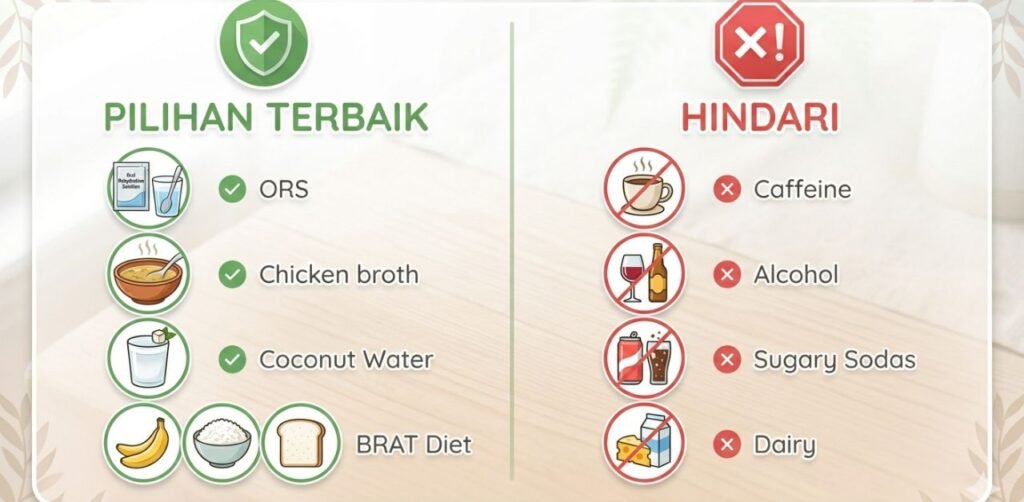
| Best Choices | Avoid These |
|---|---|
| Oral rehydration solutions | Caffeine (Coffee/Energy drinks) |
| Clear vegetable or chicken broths | Alcohol |
| Diluted fruit juices | Sugary sodas |
| Coconut water | Dairy products |
- Sip, Don’t Gulp: Sip fluids slowly throughout the day rather than drinking large amounts at once, as gulping can trigger nausea.
- The Electrolyte Factor: Electrolytes are crucial to prevent symptoms of dehydration, such as dizziness, brain fog, and intense fatigue.
- Temperature Matters: Often, room-temperature or slightly chilled liquids are better tolerated than piping hot or ice-cold drinks immediately after a stomach bug.
2. The BRAT Diet: A Scientific Approach to Bland Eating
Once you can tolerate liquids for several hours without incident, the classic BRAT diet is a gold standard for gentle reintroduction. These foods are low in fiber, bland, and specifically selected to be easy for your stomach to process while providing steady energy.

- Bananas: These are easy to digest and provide essential potassium, which is often depleted during vomiting or diarrhea.
- White Rice: Plain, boiled white rice provides immediate, simple carbohydrates that do not tax your digestive system.
- Applesauce: Soft and soothing, it offers natural energy without the harsh fiber found in raw apple skins.
- Toast: Plain white toast is a simple source of starch to help stabilize your blood sugar without causing digestive turbulence.
3. Gradual Reintroduction of Nutrients
As you feel stronger, you might wonder what to eat after food poisoning once the initial symptoms pass. The answer is to remain cautious. Transitioning too quickly can lead to a relapse of symptoms.
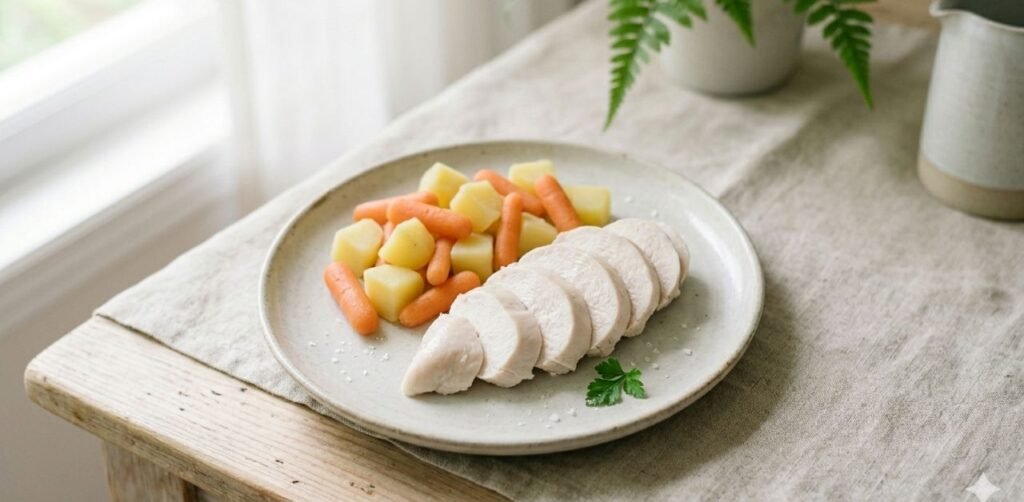
- Lean Proteins: Once you can handle bland starches, consider boiled or poached chicken (without skin or heavy spices). Eggs are also excellent once your stomach is stable.
- Cooked Vegetables: Raw vegetables contain insoluble fiber that is too harsh for an inflamed gut. Soft-cooked carrots or potatoes are excellent choices.
- The “Avoid” List: Steer clear of fried foods, spicy meals, artificial sweeteners, and high-fiber produce until you are fully recovered. These are “metabolic triggers” that can cause glucose spikes and further gut irritation.
. The Science of Gradual Nutrient Reintroduction
As you feel stronger, you might wonder what to eat after food poisoning once the initial symptoms pass. The answer is to remain cautious. Transitioning too quickly can lead to a relapse of symptoms.
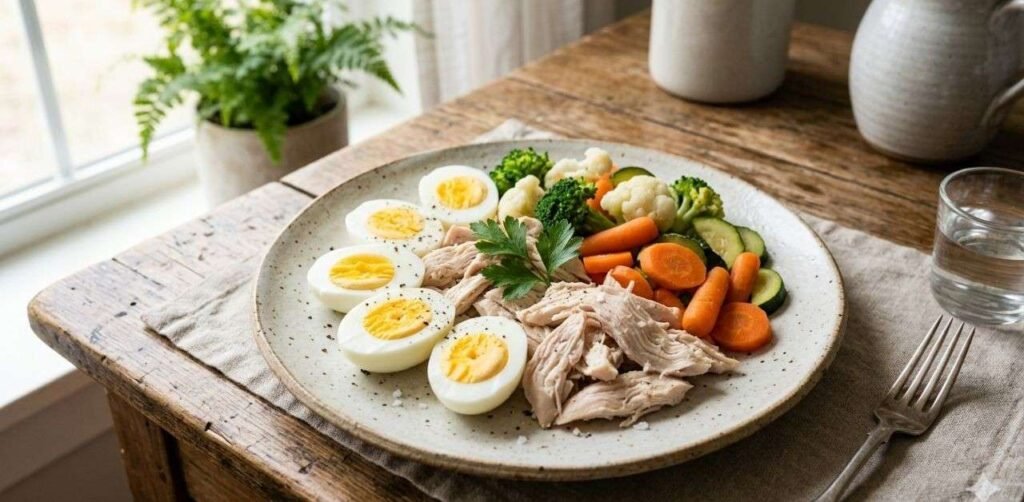
- Lean Proteins: Once you can handle bland starches, consider boiled or poached chicken (without skin or heavy spices). Eggs are also excellent once your stomach is stable.
- Cooked Vegetables: Raw vegetables contain insoluble fiber that is too harsh for an inflamed gut. Soft-cooked carrots or potatoes are excellent choices.
- The “Avoid” List: Steer clear of fried foods, spicy meals, artificial sweeteners, and high-fiber produce until you are fully recovered. These are “metabolic triggers” that can cause glucose spikes and further gut irritation.
4. Understanding Common Recovery Mistakes
Many patients inadvertently delay their recovery by attempting to “jump-start” their system with heavy smoothies or fiber-rich raw salads. While these are healthy under normal conditions, they are inflammatory during the acute recovery phase. Fiber creates bulk, which causes the already inflamed colon to work harder. Furthermore, consuming high-sugar “health juices” can lead to rapid osmotic shifts in the intestines, potentially worsening diarrhea. Stick to the bland protocol until your BMs return to consistency.
4. Supporting Your Gut Microbiome
After a stomach bug, your gut flora (microbiome) may need extra help to bounce back. Probiotics are instrumental in restoring this delicate balance.
- Fermented Foods: If you can tolerate dairy, incorporate yogurt or kefir. If not, look for fermented alternatives.
- Consistency: Focus on small, gentle, consistent eating habits to maintain blood glucose stability throughout the day.
- Research-Backed Insights: For more detailed nutritional science, explore our resources on the Glycemic Index & Nutrition category on PureDietly.
5. Recognizing Red Flags: When to See a Doctor
While this guide helps with dietary management, food poisoning can sometimes be serious. You must seek medical attention if you experience:
- High fever (over 102°F).
- Blood in your stool.
- Signs of severe dehydration (inability to keep liquids down for 24+ hours).
- Confusion or severe abdominal pain.
Want to check the impact of this food on your sugar?
📊 Open Net Carb CalculatorConclusion: A Researcher’s Perspective
Recovering from food poisoning takes patience. By following these steps and understanding what to eat after food poisoning, you are giving your body the best chance to heal. Listen to your body, stay hydrated, and transition to normal eating slowly.
Always remember, what to eat after food poisoning is ultimately about prioritizing comfort, gut integrity, and metabolic health. Keep tracking your progress, audit your food choices, and stay healthy! If you want to dive deeper into how specific foods influence your long-term gut health, I invite you to read my other audits on Food Additives to learn why clean ingredients are the foundation of your recovery journey.
- How long should I follow the bland diet after food poisoning?
- Most individuals find that a bland diet is necessary for 24 to 48 hours after symptoms subside. You should gradually reintroduce your normal diet only once you feel consistently stable.
- Can I drink sports drinks for electrolytes?
- While some sports drinks contain electrolytes, many are excessively high in refined sugars that can trigger glucose spikes. Oral rehydration solutions or natural alternatives like diluted fruit juices are often better for metabolic stability.
- Why should I avoid dairy immediately after a stomach bug?
- Dairy products can be difficult to digest during acute gastrointestinal distress and may exacerbate symptoms like bloating or diarrhea.
- Is it safe to eat protein immediately?
- It is best to start with lean, easily digestible proteins like poached chicken or eggs only after your stomach can tolerate bland carbohydrates.
About the Author: Gohar Fatima
Gohar Fatima | Metabolic Health Researcher Gohar Fatima is an independent metabolic health researcher and the founder of PureDietly. With a professional focus on nutritional science and evidence-based bio-hacking, Gohar specializes in translating complex glucose-buffering strategies and metabolic data into accessible guidance for the health community. Through PureDietly, she empowers individuals to optimize their health and recover from digestive challenges using research-backed dietary frameworks.
Medical Disclaimer
Disclaimer: This information is for educational purposes only and is based on current nutritional research. It is not intended to replace professional medical advice, diagnosis, or treatment. Always consult with a healthcare professional regarding your specific health needs or if you experience severe symptoms, such as high fever, blood in stool, or inability to retain fluids, before making significant dietary changes.
Semantic Keywords (LSI) Included:
electrolyte replenishment, nausea relief, digestive system, bland diet, gut health, stomach bug recovery, nutritional science, metabolism, glucose buffering, metabolic stability.