
By Gohar Fatima / October 7, 2026
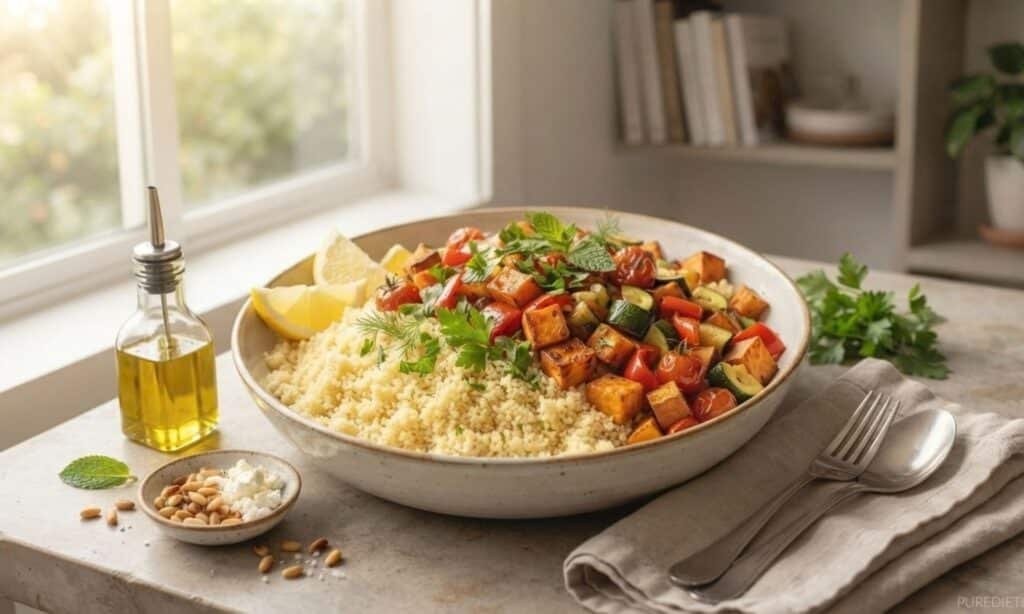
Editor’s Note
Navigating healthy carbohydrate choices in the United States often feels confusing, especially when balancing quick meal preparation with fitness goals. Although standard diets frequently rely on white rice or quinoa, finding a versatile, quick-cooking grain is essential for sustainable nutrition. Furthermore, if you track your daily energy intake or look to support your metabolic health naturally, understanding the exact nutritional profile behind couscous calories is crucial. In this guide, we break down essential calorie counts, macronutrients, and smart cooking habits required to protect your vitality.
JPG
Introduction: Why Your Kitchen Needs a Smart Look at Couscous Calories
Walking through grocery store aisles across the United States, you will notice an increasing number of wellness seekers searching for quick, nutrient-dense grain alternatives. If you feel constantly frustrated by spending hours cooking complex grains or struggling with bland meal plans, incorporating couscous into your routine brings a complete culinary transformation.
However, before adding this staple to your weekly meal prep, look closely at what couscous calories mean for your daily intake. Made from crushed durum wheat semolina, couscous is technically a type of tiny pasta rather than a whole grain, meaning it digests differently than brown rice or oats. Instead of following restrictive fad diets, incorporating clean, portion-controlled grains into your daily routine supports your active lifestyle safely. Consequently, by focusing on balanced nutritional components, you boost your physical energy without risking unwanted blood sugar spikes. To explore more about gut health and clean carbohydrate choices, check out our guide on [Can Too Much Fiber Cause Constipation? The Truth About Your Gut Health].
JPG+ 1
The Core Nutritional Breakdown: Essential Elements of Couscous
Evaluating the physiological impact of dietary changes requires clear, objective metrics. Review the breakdown below to understand how cooked couscous compares to standard grain alternatives per 1-cup serving (approx. 157g):

| Evaluation Metric | Cooked Couscous (1 Cup) | White Rice (1 Cup) | Quinoa (1 Cup) |
|---|---|---|---|
| Calories | ~176 kcal JPG | ~205 kcal | ~222 kcal |
| Total Carbohydrates | ~36g JPG | ~44g | ~39g |
| Protein Content | ~6g JPG | ~4g | ~8g |
| Dietary Fiber | ~2.2g JPG | ~0.6g | ~5.2g |
How Portion Control, Carbs, and Cooking Methods Impact Your Energy
Understanding how your body processes different carbohydrates is vital for long-term health and weight management. When you consume meals aligned with a balanced couscous calories budget, your body receives fast, clean energy without excessive fats.
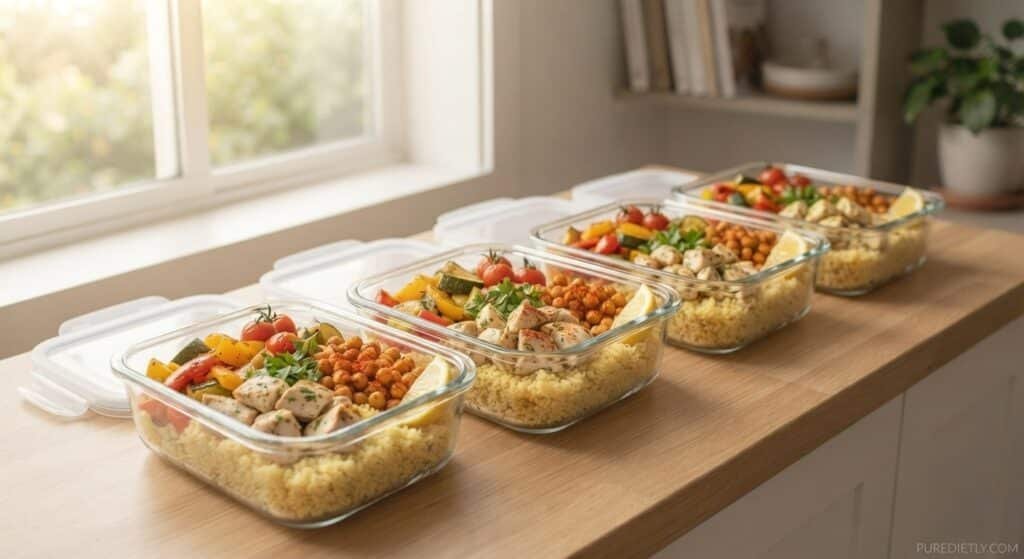
- Managing Carbohydrate Intake: Couscous provides a dense source of complex carbohydrates that fuel your daily workouts and brain function. Without careful portion control, however, it is easy to overconsume carbohydrate portions. If you want to explore whole-food strategies that support overall metabolic balance, check out our guide on [Ayurvedic Diet Plan: Balance Your Doshas, Boost Metabolism & Heal Naturally]. JPG
- Protein and Fiber Synergy: While couscous has less fiber than quinoa, it offers a solid amount of plant-based protein that keeps you feeling full longer. By pairing it with lean proteins and healthy fats, you stabilize your post-meal energy. For deeper insights into cellular protection, review our breakdown on [Is Gelatin Good For You? The Ultimate 2026 Gut, Skin & Metabolic Health Guide]. JPG
- Preventing Blood Sugar Spikes: Because it is refined from semolina wheat, monitoring your couscous calories alongside fiber-rich vegetables prevents rapid glycemic fluctuations. For more on supportive hydration and clean swaps during your daily routine, explore our insights on [Sugar-Free Isotonic Drinks: The Ultimate 2026 Metabolic & Hydration Guide]. JPG
Foods to Embrace vs. Foods to Limit with Couscous Meals
Navigating grocery store aisles in the US can feel overwhelming when trying to build healthy meal bowls. To simplify your cooking and ensure optimal cellular nourishment, keep this practical guide in mind:
- Top Foods to Embrace: Combine your cooked couscous with steamed seasonal vegetables, fresh herbs (like parsley and mint), healthy fats (such as extra virgin olive oil or organic ghee), and lean proteins to create a balanced, satisfying meal.
- Foods to Consume with Caution: Heavy, creamy sauces or excessive butter can dramatically increase the overall couscous calories of your dish, turning a light side into a heavy calorie trap. Ayurveda and modern nutrition both advise keeping dressings light and nutrient-dense.
- Items to Limit: Minimize pre-packaged, heavily salted instant couscous mixes loaded with artificial preservatives and sodium enhancers. These additives trigger systemic gut inflammation and disrupt your daily nutritional goals.
The “Hidden Calorie Trap”: Why Portion Awareness Matters
While healthy grains support an active lifestyle, how you prepare them changes everything. Many wellness seekers mistakenly believe that light grains can be eaten in unlimited quantities without affecting weight management goals.

- Avoiding Accidental Overeating: Because fluffy couscous is easy to scoop in large quantities, misjudging a single serving can add hundreds of unintended couscous calories to your daily total. Consequently, measuring your portions with a cup tool makes a major difference. JPG
- Prioritizing Mindful Pacing: Instead of eating straight from a large mixing bowl while working or driving, opt for a plated, seated meal environment. This simple shift dramatically improves digestion and satisfaction.
- Balancing Moisture and Oils: Using vegetable broth instead of heavy oils to fluff your couscous infuses rich flavor while keeping the total fat and calorie count low.
Unique Paragraphs for US Audience (Addressing Common Problems)
Problem: Overwhelmed by Calorie Counting and Meal Prep Fatigue
Solution: Many busy Americans struggle to find time to cook healthy grains after a long workday, often leading to takeout reliance. Because couscous cooks in under five minutes simply by soaking in hot water or broth, it eliminates meal-prep burnout. By tracking your couscous calories ahead of time and batch-cooking veggies, you save hours during the week. This fast, reliable cooking method gives your body clean energy without sacrificing your precious evening downtime.
JPG
Problem: Constant Mid-Day Slumps and Portion Confusion
Solution: The standard American habit of eating large, unmeasured carbohydrate portions often causes severe afternoon fatigue due to blood sugar swings. To fix this, keep your grains to a strict one-cup cooked serving and pack it tightly with fiber-rich greens and lean proteins. Furthermore, replacing heavy pasta dishes with well-portioned couscous will significantly reduce digestive sluggishness and keep your mental clarity sharp all afternoon.
JPG
Frequently Asked Questions (FAQs)
How many calories are in one cup of cooked couscous?
One cup of cooked couscous contains approximately 176 calories, making it a lightweight, energy-providing alternative to heavier grain options.
JPG
Is couscous better for weight loss than white rice?
While they have similar calorie counts, couscous often provides slightly more protein per serving, which helps support satiety when paired with vegetables and lean proteins.
JPG
Does couscous contain gluten?
Yes, because couscous is made from durum wheat semolina, it contains gluten and is not suitable for individuals with celiac disease or gluten sensitivities.
JPG
Can beginners easily prep couscous at home?
Yes, absolutely; unlike rice that requires simmering, couscous simply requires boiling broth, pouring it over the dry grains, and letting it steam covered for five minutes.
Conclusion: Making Smart Choices for Your Daily Wellness
Ultimately, when evaluating couscous calories, clinical and nutritional data show that mindful portion control combined with wholesome ingredients offers wonderful dietary flexibility. If your primary goal is to protect your vitality while managing your daily nutrition, keeping track of your grain portions is a fantastic strategy.
JPG
For more data-driven insights and healthy lifestyle swaps designed for modern wellness seekers, continue exploring our latest articles right here at PureDietly!
About the Author
Gohar Fatima is the founder and lead metabolic health researcher at PureDietly, dedicated to translating complex nutritional science and practical wellness habits into easy-to-follow advice for everyday readers navigating metabolic wellness and holistic self-care.
Medical Disclaimer
The content provided on PureDietly is for informational purposes only and is not intended as medical advice, diagnosis, or treatment. The team at PureDietly are not licensed medical physicians. Always seek the advice of your physician or qualified health provider with any questions regarding a medical condition or dietary changes. Individual responses to dietary protocols may vary.