

Editor’s Note
Editor’s Note At PureDietly.com, we prioritize evidence-based metabolic science over fleeting dietary trends. As the founder and lead researcher, I analyze clinical data to simplify complex topics like insulin resistance and gastric emptying. My goal is to provide you with actionable, research-driven insights that make reclaiming your metabolic vitality both sustainable and clear. This article reflects our commitment to rigorous auditing and science-backed wellness. — Gohar Fatima
In the landscape of modern nutrition, we are often told what to eat, but rarely how our body processes those choices. As a Metabolic Health Researcher, I have analyzed thousands of data points regarding digestion speed and insulin response. If you have ever felt a sudden burst of energy followed by an afternoon “slump,” you might be consuming foods that are digested quickly. Understanding this process is the cornerstone of regaining your metabolic vitality in 2026.
The Science of Gastric Emptying
Gastric emptying is the rate at which your stomach releases chyme (partially digested food) into the small intestine. When you consume refined carbohydrates, your digestive enzymes—specifically salivary and pancreatic amylase—break these chains down with alarming speed.
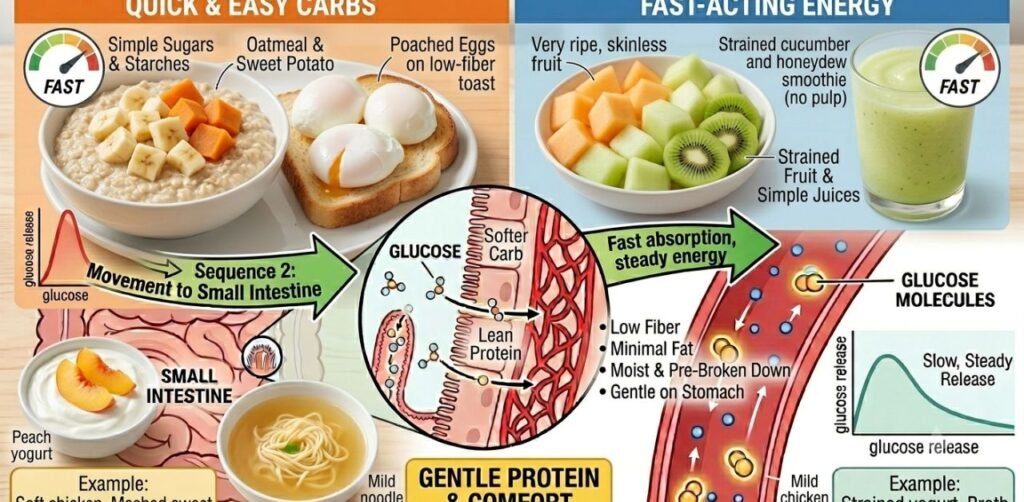
The result? A “glucose flood” in your bloodstream. Your pancreas, sensing this sudden influx, often overcompensates by dumping a high volume of insulin. This leads to reactive hypoglycemia, leaving you feeling fatigued, irritable, and craving more carbohydrates shortly after your meal. This is the primary reason why controlling the speed of digestion is as important as counting calories.
The 2026 Metabolic Audit: Digestion Speed Table
Not all foods move through your system at the same rate. This table summarizes how different food groups affect your digestive pace and insulin response.
| Food Category | Digestion Speed | Metabolic Impact |
| Refined Grains (White bread, pasta) | Instant/Very Fast | High Glucose Spike |
| Processed Sugary Snacks | Immediate | Sharp Insulin Surge |
| Whole Fruits (with fiber) | Moderate | Steady Release |
| Complex Legumes/Beans | Slow | Sustained Energy |
| Lean Proteins (Chicken, Turkey) | Slow | Minimal Glucose Impact |
| Healthy Fats (Avocado, Olive Oil) | Very Slow | Glucose Blunting |
The “American Diet” Trap: Navigating the Grocery Aisle

For the US audience, the biggest challenge is the prevalence of “hidden” fast-digesting starches in pre-packaged items. Many products marketed as “convenient” or “on-the-go” are essentially designed to spike blood glucose to keep you craving more. When shopping, prioritize the perimeter of the store where whole foods produce, meats, and eggs are found. Avoid the middle aisles where items like crackers, sugary cereals, and processed granola bars dominate. These items are often stripped of fiber during the industrial manufacturing process, making them the primary contributors to the “afternoon crash” common in American office culture.
Why “Fast” Is Not Always “Good”
While athletes training for high-intensity events may require fast-digesting glucose to replenish glycogen stores rapidly, for the average person managing insulin resistance, these foods act as a metabolic disruptor.
When you consistently eat foods that are digested quickly, your body loses its metabolic flexibility the ability to efficiently switch between burning sugar and burning fat. By keeping your glucose levels in a state of constant volatility, you effectively turn off your fat-burning mechanisms.
The Cultural Shift: Why “Fast Food” Causes Long-term Metabolic Fatigue
The American “fast-food” culture is built on the concept of speed both in preparation and digestion. When you consume a standard drive-thru meal (like a bun-heavy burger and fries), your digestive system is flooded with refined carbohydrates and minimal fiber. This rapid absorption triggers an exaggerated insulin response. Over years of this dietary pattern, the body’s insulin receptors become less sensitive, leading to the metabolic slowdown many Americans experience in their 30s and 40s. By switching to a “slow-digestion” mindset, you aren’t just changing a meal; you are reversing the cumulative damage of years of high-glycemic intake.
The Role of Fiber: Your Metabolic Buffer
Fiber is not just a filler; it is your best defense against rapid digestion. Soluble fiber, found in oats, beans, and certain vegetables, forms a viscous gel in your intestines. This gel acts as a physical barrier, slowing down the absorption of glucose molecules into your bloodstream.
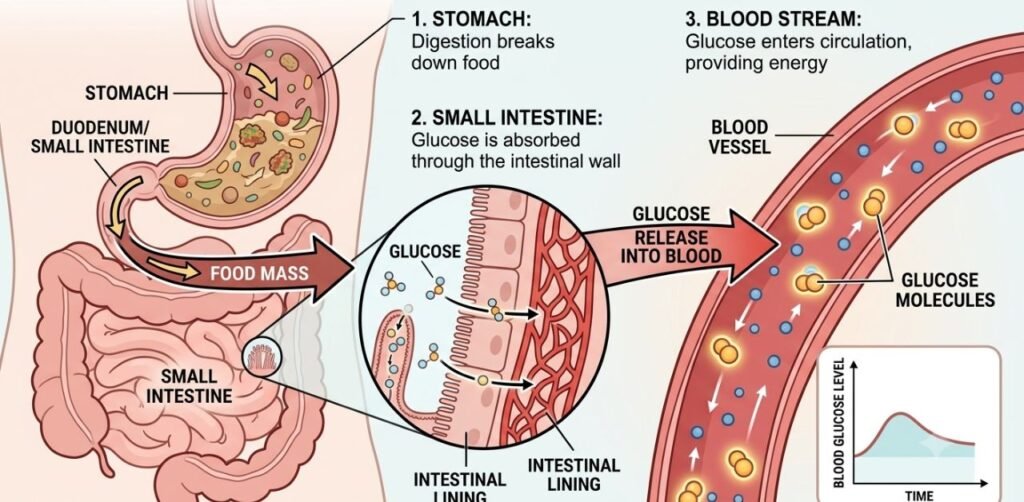
By slowing down gastric emptying, you ensure that glucose enters your circulation at a slow, steady trickle rather than a sudden surge. This gives your insulin receptors the time they need to function optimally without being overwhelmed. If you are struggling with this, our guide on [Glycemic Index & Nutrition] provides a framework for selecting fiber-rich alternatives.
Strategies to Slow Down Digestion
You don’t need to eliminate all quick-digesting foods, but you must change how you eat them. Using food sequencing is a powerful, science-backed biohacking tool.
- Eat Fiber First: Start every meal with a serving of leafy greens or raw vegetables. This creates that “buffer zone” in your gut before the carbohydrates arrive.
- The Protein Pairing: Never eat carbohydrates in isolation. Pairing your fruit or crackers with a protein source (like Greek yogurt or grilled chicken) significantly slows down the digestive process.
- Embrace Healthy Fats: Adding a teaspoon of olive oil or a slice of avocado to your meal forces your stomach to work harder, naturally slowing down the transit time of your food.
Practical “On-the-Go” Metabolic Hacks for the US Lifestyle
If you are constantly on the move, here are three ways to slow down your digestion without a full kitchen:
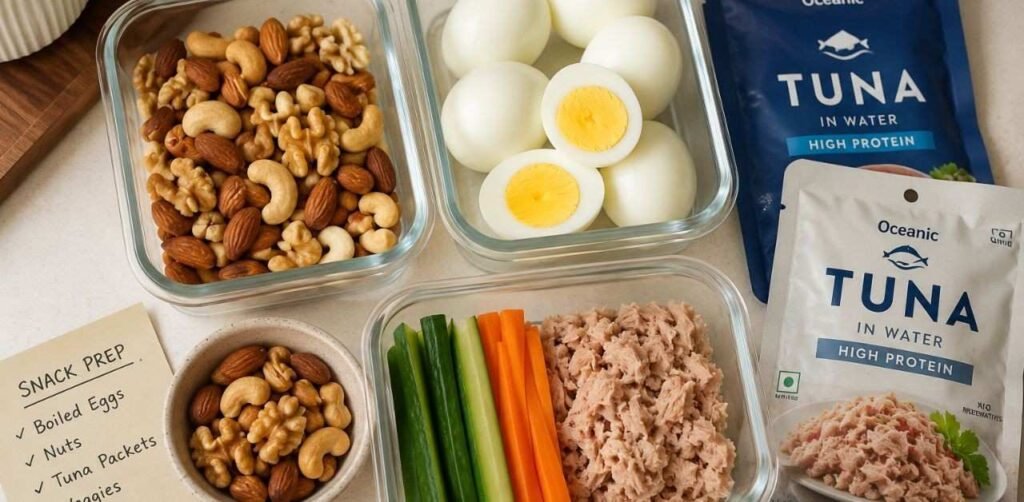
- The “Pocket Protein” Strategy: Keep pre-cooked packets of tuna, hard-boiled eggs, or a handful of raw almonds in your bag. Adding just 10g of protein to a carb-heavy snack (like a piece of fruit) drastically slows down its glycemic impact.
- Choosing Better Coffeehouse Carbs: In coffee shops, skip the muffins and pastries, which are almost entirely refined flour. If you need a snack, choose a plain yogurt bowl with berries and nuts. The fat and fiber combination here creates a steady energy release that can last through your morning meetings.
- Order Customization: At restaurants, always ask for extra veggies instead of the standard white bread or bun. Most modern US restaurants are very accommodating if you frame it as a “glucose-friendly” preference.
The Gut Microbiome Connection
Your digestion speed is also heavily influenced by your gut microbiome. A diverse, healthy gut population secretes enzymes and produces short-chain fatty acids that help regulate appetite and insulin sensitivity. If you suffer from frequent bloating or the gastrocolic reflex where you feel the urge to use the restroom shortly after eating your system might be hyper-sensitive to fast-digesting carbohydrates.
2026 Trends: The Future of Digestion
As we navigate 2026, we are seeing a shift in food technology. More companies are developing “slow-release” starches that utilize resistant starches and lupin flour. These ingredients are designed to provide the texture and convenience of traditional carbohydrates while mimicking the metabolic profile of slow-digesting, whole-food options.
However, we must remain vigilant against “health-washing.” Many manufacturers add fiber isolates to refined flour and label them as “high-fiber,” but these isolates do not provide the same benefits as naturally occurring fiber in whole foods. Always prioritize ingredients you can recognize.
Addressing Common Questions
Q: Does hydration affect how fast I digest food?
A: Yes. Proper hydration ensures that your digestive enzymes function at their peak. Dehydration can actually slow down transit time in a way that leads to constipation, while proper water intake helps maintain a steady digestive rhythm.
Q: Can I use this strategy for weight loss?
A: Absolutely. By focusing on slow-digesting foods, you keep your insulin levels low. Low insulin is the “master switch” for fat burning. Check out our latest protocols on [Natural Sugar Substitutes] to help maintain this state.
Q: Is sourdough really better than white bread?
A: Yes. The fermentation process involved in making true sourdough breaks down some of the starches and proteins before you even eat the bread, offering a superior glycemic profile compared to mass-produced white bread. For more on this, read our piece: [Can Diabetics Eat Bread?].
Add Seaweed Salad to your daily carb limit in 30 seconds!
Conclusion: Making Informed Choices
Deciding which foods to include in your diet is a personal journey. By prioritizing whole-grain options, incorporating fiber, and utilizing food sequencing, you can enjoy your favorite meals without compromising your health. Consistency is the true secret to metabolic vitality.
Remember, your “metabolic age” the efficiency with which your body processes nutrients is not the same as your chronological age. By audit-tracking your energy levels 2 hours after a meal, you can determine exactly how your body responds to different food types. Start small, track your results, and reclaim your health one meal at a time.
About the Author
About the Author Gohar Fatima is a dedicated Metabolic Health Researcher and the founder of PureDietly.com. With a focus on bridging the gap between clinical nutrition research and everyday dietary choices, Gohar specializes in helping individuals with insulin resistance and metabolic disorders reclaim their health. Her “Metabolic Audit” approach empowers readers to move beyond calorie counting and focus on the biochemical impact of food, using data-driven protocols to optimize glucose stability and long-term vitality. She is committed to fostering a community of informed, health-conscious individuals who value transparency, science, and ancestral wisdom in modern nutrition.
Medical Disclaimer:
Medical Disclaimer: The information provided in this article is for educational purposes only and does not constitute professional medical advice. Always consult your physician or a registered dietitian before making significant changes to your diet, especially if you are managing diabetes or insulin resistance.