
Editor’s Note
At PureDietly.com, we prioritize evidence-based nutrition over fleeting trends. As the founder and lead researcher, I analyze clinical data to simplify complex topics like insulin resistance and metabolic health. My goal is to provide you with actionable, research-driven insights that make reclaiming your metabolic vitality both sustainable and clear. This article reflects our commitment to rigorous auditing and science-backed wellness.
— Gohar Fatima
If you are currently managing blood sugar levels, you have likely stood in the grocery aisle wondering, is pita bread healthy for your specific nutritional needs? While bread is a dietary staple for many, the landscape of metabolic health is constantly evolving. As part of our 2026 metabolic audit, we are diving deep into the science of this Mediterranean favorite to help you make informed decisions.
Understanding the Pita Bread Dilemma
When we talk about metabolic health, we must distinguish between standard commercial pita and traditional, whole-grain varieties. Many store-bought pita breads are made from refined white flour, which undergoes significant processing. Consequently, these products are often stripped of the bran and germ, leaving behind simple carbohydrates that can trigger rapid glucose spikes.
However, not all pita bread is created equal. The nutritional profile changes drastically depending on the grain source, fiber content, and the fermentation process used during baking.
1. The Biochemical Breakdown
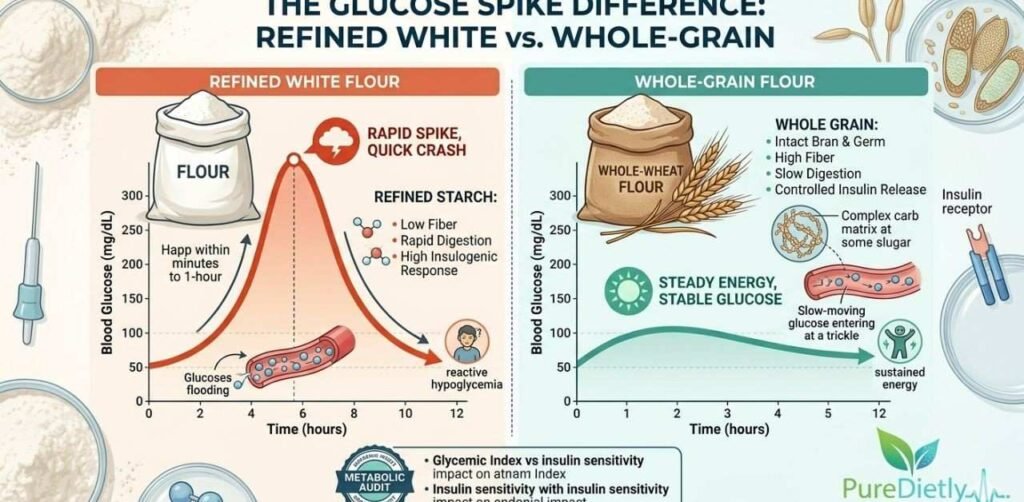
The Anatomy of a Glucose Spike: Why Refined Matters When you consume refined white pita, your body undergoes a rapid biochemical shift. Because the grain has been milled to remove the nutrient-dense bran and the fatty germ, the remaining endosperm is almost pure starch, which is essentially long-chain glucose. Once ingested, your digestive enzymes specifically salivary and pancreatic amylase break these chains down with alarming speed. For an individual managing insulin resistance, this creates a “glucose flood” that the bloodstream cannot manage efficiently. Your pancreas, sensing this sudden influx, often overcompensates by dumping a high volume of insulin, which can lead to reactive hypoglycemia leaving you feeling fatigued, irritable, and craving more carbohydrates shortly after your meal.
The Mediterranean Diet Context: Ancestral Wisdom
Pita bread originated in the Mediterranean, where it was traditionally made with stone-ground, whole grains. Unlike modern mass-produced options, these traditional methods preserved the integrity of the grain. Our 2026 metabolic audit suggests that looking back at these ancestral techniques offers valuable lessons. Modern commercial pita is often engineered for long shelf-life, not metabolic health. By prioritizing products that mimic traditional stone-ground, slow-fermented processes, you can significantly reduce the “metabolic noise” caused by synthetic preservatives and artificial dough conditioners.
The 2026 Metabolic Audit: Refined vs. Whole Grain
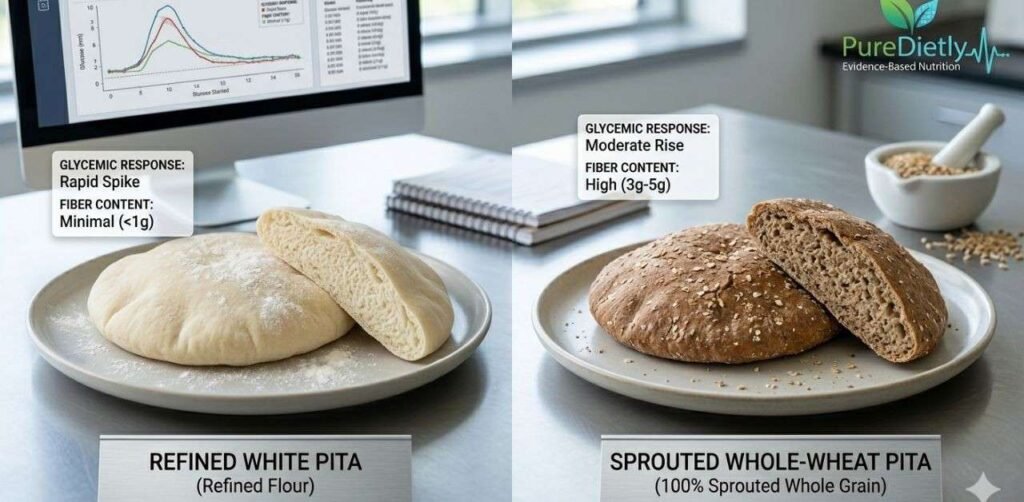
To understand whether is pita bread healthy, we must look at the biochemical impact. Below is a comparison of how different types of pita bread affect your system:
| Feature | Refined White Pita | 100% Whole Wheat Pita |
| Glycemic Index (GI) | High (~70+) | Moderate (~50-55) |
| Fiber Content | Minimal (<1g) | High (3g – 5g) |
| Nutrient Density | Low | High (B-vitamins, Iron) |
| Blood Sugar Impact | Rapid Spike | Steady Rise |
- Refined Pita: These versions act like simple sugars in your bloodstream. Because they lack fiber, your digestive system breaks them down almost immediately, forcing your pancreas to work overtime to produce insulin.
- Whole Wheat Pita: The presence of intact bran provides significant dietary fiber. This fiber acts as a physical barrier, slowing down the absorption of glucose and preventing the typical post-meal fatigue associated with refined carbohydrates.
The Science of Glycemic Load (GL) vs. Glycemic Index (GI)
It is important to understand the difference between Glycemic Index (GI) and Glycemic Load (GL). While GI tells you how fast a specific food raises blood sugar, GL tells you how much it raises it based on actual portion size. Even if a pita has a moderate GI, keeping the GL low is the golden standard. For instance, half a pita pocket paired with 100g of grilled chicken ensures your total meal GL remains low, preventing the post-meal fatigue associated with high-carb intake.
Metabolic Age and Tolerance
Metabolic Age and Bread Tolerance It is vital to recognize that your “metabolic age” the efficiency with which your body processes nutrients is not the same as your chronological age. Two individuals may eat the exact same pita bread, yet experience vastly different glucose readings. Factors such as your gut microbiome health, your current level of physical activity, and your hydration status all dictate your glycemic response. In our 2026 audit, we found that those who prioritize “metabolic flexibility” the ability to switch between fuel sources often report higher tolerance for whole-grain pita when it is consumed as part of a balanced, high-fiber meal. If you have been sedentary for the day, your tolerance for any form of bread may be lower, making portion awareness not just a suggestion, but a physiological necessity.
Strategies for a Diabetic-Friendly Meal
Knowing is pita bread healthy is only half the battle; knowing how to integrate it into your routine is where the real metabolic progress happens. You do not need to eliminate bread entirely if you follow these research-backed strategies:
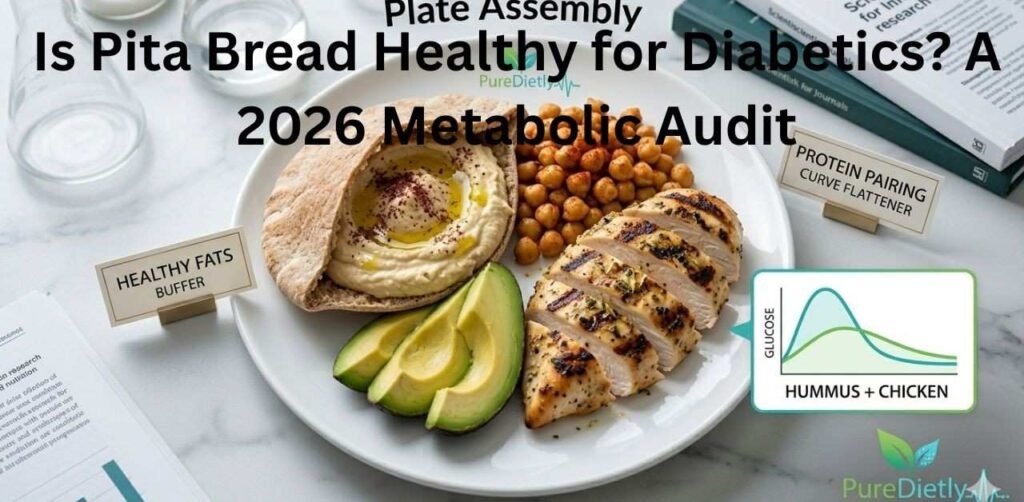
| Strategy | Actionable Step | Metabolic Benefit |
| Protein Pairing | Pair with grilled chicken, turkey, or chickpeas. | Significantly flattens your glucose curve. |
| Load the Pocket | Add spinach, cucumber, tomatoes, and peppers. | Adds fiber density without spiking blood sugar. |
| Healthy Fats | Smear with avocado, hummus, or olive oil. | Slows gastric emptying for steady glucose release. |
Internal Link: If you are looking for more ways to manage your glucose, our recent deep-dive on [Glycemic Index & Nutrition] provides a comprehensive framework for structuring your meals.
3. The Role of Fiber (Insert after “Strategies for a Diabetic-Friendly Meal”)
The Fiber Buffer: Why It’s Your Best Defense Fiber is not just a filler; it is a metabolic regulator. When you pair your pita bread with the strategies mentioned above, you are essentially building a “buffer zone” in your digestive tract. The soluble fiber found in vegetables (like cucumbers and spinach) and the legumes (like chickpeas in hummus) forms a viscous gel that coats the lining of your intestines. This gel physically obstructs the rapid absorption of glucose molecules from your pita bread into your bloodstream. By slowing down gastric emptying, you ensure that the glucose enters your circulation at a slow, steady trickle rather than a sudden surge, providing your insulin receptors with the time they need to function optimally.
The PureDietly Metabolic Audit Checklist
Before adding pita to your cart, run it through this audit to ensure it aligns with your metabolic health goals:

| Criteria | Goal/Target |
| Primary Ingredient | 100% Whole Wheat or Sprouted Grain |
| Fiber Content | At least 3g per serving |
| Sugar Content | Zero added sugars or high-fructose corn syrup |
| Sodium Levels | Less than 200mg per serving |
| Portion Size | Opt for “Mini” or “Thin” versions |
The “PureDietly” Verdict: Is Pita Bread Healthy?
Pita bread can be part of a healthy diet, provided you are selective. If your primary goal is to maintain stable blood sugar, the “purity” of the bread matters. Always check the label for “100% Whole Wheat” or “Sprouted Grain.” If the first ingredient is “enriched flour,” it is effectively white bread in disguise.
Future Trends
The Evolution of Bread in 2026: What to Expect As we navigate 2026, the food technology landscape is changing. We are seeing a rise in “low-net-carb” pita alternatives that incorporate resistant starches, lupin flour, and flaxseed. These newer iterations are specifically engineered to keep the glycemic load near zero while maintaining the authentic texture of traditional pita. However, as health-conscious consumers, we must remain vigilant against “health-washing” where manufacturers add fiber isolates to refined flour and label it as “high fiber“. True metabolic health is found in whole-food ingredients, not synthetic additives. Always prioritize products with a short, recognizable ingredient list, as these are less likely to contain hidden metabolic disruptors.
Frequently Asked Questions (FAQ)
- Can I eat pita bread every day?
- It is better to cycle your carbohydrates to maintain microbial diversity in your gut.
- Is whole-wheat pita really better?
- Yes, because of the fiber content which stabilizes blood glucose.
- How does it compare to sourdough?
- We have covered this in our guide on [Can Diabetics Eat Bread?], which explains why fermentation offers a superior glycemic profile.
- A “DIY” Metabolic Test: We recommend performing your own glucose finger-prick test 2 hours after consumption to see how your unique metabolic age reacts to specific brands.
Conclusion: Making Informed Choices
Deciding whether is pita bread healthy is a personal journey. By prioritizing whole-grain options and keeping portions within your daily budget, you can enjoy these staples without compromising your health. Consistency is the true secret to metabolic vitality. For further optimization, explore our latest protocols on [Natural Sugar Substitutes].
About the Author

Gohar Fatima is a dedicated content writer and health researcher specializing in metabolic health. As the founder of PureDietly.com, she bridges the gap between complex clinical nutrition and everyday dietary choices. Gohar’s research-driven approach focuses on empowering individuals with insulin resistance to reclaim their metabolic health through evidence-based dietary audits and sustainable lifestyle strategies.
Medical Disclaimer
The information provided in this article is for educational purposes only and does not constitute professional medical advice. Always consult your physician, endocrinologist, or a registered dietitian before making significant changes to your diet, especially if you are managing diabetes or insulin resistance. Reliance on any information provided here is solely at your own risk.