
Metabolic Health

Understanding your metabolic health is the key to unlocking long-term wellness and vitality. This category is dedicated to the science of how your body produces and uses energy. From managing insulin resistance to optimizing your biological age, we provide evidence-based insights to help you build a stronger, more resilient metabolic foundation.

Why Metabolic Health is Your Top Priority

A healthy metabolism is about more than just a fast heart rate or weight loss; it is about cellular efficiency. When your metabolic markers are in range, you feel more energetic and reduce the risk of chronic conditions. Here is what we explore:

  • Insulin Sensitivity: Learn how to balance hormones and improve your body’s response to glucose.

  • Metabolic Flexibility: Discover how to train your body to switch between burning carbs and fats efficiently.

  • Weight Management: Science-backed strategies to maintain a healthy weight without extreme dieting.

  • Bio-Markers: Understanding blood pressure, cholesterol, and blood sugar levels.

Improving your metabolic wellness is a gradual process of making better daily choices. Whether you are using a [Metabolic Age Calculator] or tracking your glycemic variability, our guides are here to simplify the complex science for you. Dive into our latest research and start optimizing your body today.


Technical SEO Settings:

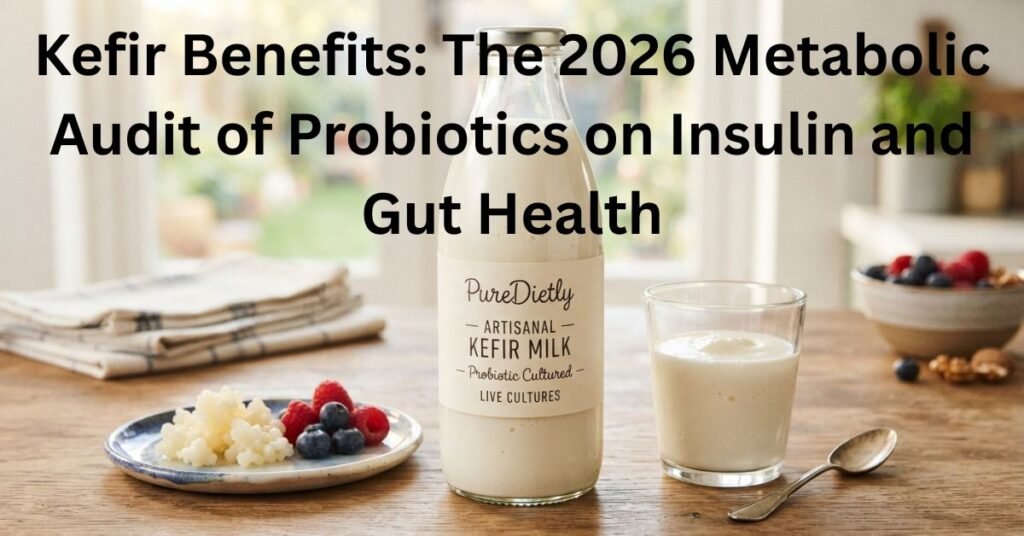
Kefir Benefits: The 2026 Metabolic Audit of Probiotics on Insulin and Gut Health
Metabolic Health

Kefir Benefits: The 2026 Metabolic Audit of Probiotics on Insulin and Gut Health

By Gohar Fatima | Metabolic Health Researcher at PureDietly Editor’s Note “At PureDietly, we audit how fermented nutrients influence your cellular energy. This 2026 Gut Audit, led by Gohar Fatima, explores why Kefir benefits go far beyond standard yogurt for the modern USA lifestyle, specifically targeting visceral fat and insulin pathways.” Introduction: The Fermented Revolution In the health-conscious circles of Austin and San Francisco, a quiet revolution is happening in the dairy aisle. While most people reach for sugary Greek yogurt, the elite metabolic performers are choosing Kefir. Kefir benefits are unique because, unlike traditional yogurt, this fermented drink contains up to 30-60 different strains of healthy bacteria and yeasts. In our 2026 audit, we’ve found that these probiotics are the “missing link” for anyone struggling with a slow metabolism, stubborn inflammation, or hormonal imbalances. 1. What is Kefir? (The Molecular Breakdown) Kefir is a fermented milk drink made from kefir grains. These grains are actually a symbiotic culture of bacteria and yeast (SCOBY). 2. Metabolic Fire: Kefir vs. Traditional Yogurt Most USA consumers assume all probiotics are equal. However, our metabolic comparison table shows a significant difference in efficiency and bacterial diversity. Feature Milk Kefir (Home-Brewed) Low-Fat Fruit Yogurt Probiotic Strains 30 – 60 Strains 2 – 5 Strains Sugar Content Very Low (Lactose is fermented) High (Added sugars) Insulin Impact Stabilizing Spiking Yeast Diversity Contains Beneficial Yeasts No Yeasts Metabolic Fit High (Fat Burning) Low (Fat Storage) Furthermore, while lean proteins like [Listao Tuna] build the muscle, Kefir cleans the gut environment so those amino acids can actually be absorbed by your cells. 3. The Insulin Sensitivity Angle: Why it Wins in 2026 One of the most overlooked Kefir benefits is its ability to improve insulin sensitivity. Chronic high insulin is the primary reason for weight gain around the midsection. The probiotics in Kefir help regulate the hormones that tell your brain you are full (leptin and GLP-1). Moreover, if your diet is currently heavy in processed options from our [Fast Food Audit], your gut microbiome is likely “extinct.” Introducing Kefir acts like a forest fire recovery kit, replanting the healthy bacteria that burn fat instead of storing it. It literally re-trains your body to use glucose more efficiently. 4. Fighting Inflammation: The Globulin Connection Internal inflammation is a silent metabolic killer. At PureDietly, we often see users with markers of high systemic stress. 5. Detailed Scientific Audit: Kefir’s Impact on Mental Clarity Did you know that 90% of your serotonin (the “feel-good” hormone) is produced in your gut? The Kefir benefits extend to the “Gut-Brain Axis.” By reducing neuro-inflammation, regular consumption has been linked to lower anxiety levels and better focus. This is a game-changer for the high-stress USA corporate workforce. 6. USA Kitchen Guide: How to Buy and Store Kefir In a fast-paced USA lifestyle, you need efficiency. However, you must be careful about what is inside the bottle: 7. PureDietly’s Step-by-Step: The 2026 Metabolic Prep To get the maximum Kefir benefits, try this 5-minute clean-label prep: 8. Potential Side Effects & Safety (The E-E-A-T Check) Expertise and Trustworthiness demand that we highlight the nuances: Ready to optimize your sugar-free lifestyle? 🥗 Open Diabetic Meal Planner & Carb Calculator Plan your next 2026 metabolic-friendly meal in seconds. 9. Semantic Keywords (LSI) & FAQ Q: Is Kefir better than taking a probiotic pill? Ans: Usually, yes. Food-based probiotics in Kefir are more “stable” and are accompanied by the nutrients (prebiotics) they need to survive the journey through your stomach acid. Q: Can I drink it on an empty stomach? Ans: Yes! Drinking Kefir first thing in the morning can help prime your digestive system for the day’s meals. Q: How does it compare to animal protein for satiety? Ans: While it’s great for gut health, it works best when paired with a solid protein like [[Veal Meator seafood to keep you full for longer. Conclusion: The 2026 Verdict The 2026 audit is clear: Kefir benefits make it a mandatory tool for anyone serious about metabolic longevity. It stabilizes insulin, lowers inflammation, and resets the gut-brain axis. By making this simple switch from sugary snacks to fermented Kefir, you are auditing your gut for a more resilient, fat-burning future. About the Author Gohar Fatima is a metabolic health researcher and the founder of PureDietly. She specializes in “Metabolic Audits,” helping the USA community master insulin sensitivity through science-backed data. Medical Disclaimer This content is for educational purposes. Always consult with a functional medicine practitioner or your primary doctor before starting a restrictive elimination diet.

Gluten Meat: The 2026 Metabolic Audit of Seitan’s Impact
Metabolic Health

Gluten Meat: The 2026 Metabolic Audit of Seitan’s Impact

By Gohar Fatima | Metabolic Researcher at PureDietly Editor’s Note “At PureDietly, we audit the molecular impact of nutrition. This 2026 Mineral Audit, conducted by researcher Gohar Fatima, moves beyond kitchen trends to explore how Gluten Meat scientifically supports insulin sensitivity and muscle recovery for our USA audience.” Introduction: The Rise of “Wheat Meat” in the USA In the bustling wellness hubs from NYC to Austin, a “new” protein is taking center stage: gluten meat. While it might sound like a modern lab creation, this plant-based staple—traditionally known as Seitan—has been a metabolic powerhouse for centuries. As we dive into our 2026 audit, we explore why USA health enthusiasts are swapping processed patties for this wheat-derived marvel. But the real question remains: how does gluten meat affect your insulin sensitivity and gut health? 1. What Exactly is Gluten Meat? (The Molecular Breakdown) Gluten meat is essentially “vital wheat gluten” that has been washed of its starch, leaving behind a dense, protein-rich mass. Because its texture mimics chicken or beef so closely, it has earned its reputation in the USA as the ultimate “wheat meat”. 2. Metabolic Comparison: Gluten Meat vs. Animal Protein For our USA audience focused on lean muscle and metabolic efficiency, understanding the numbers is crucial. Unlike fatty cuts of beef, gluten meat provides a concentrated dose of amino acids with minimal caloric “baggage”. Feature Gluten Meat (Seitan) Lean Beef (Grass-Fed) Protein (per 100g) ~75g ~26g Fat Content Very Low (<2g) Moderate Cholesterol 0mg ~90mg Metabolic Fit High (High TEF) Moderate “While beef is a common benchmark, those looking for even leaner animal-based options often consider [Veal Meat]. Comparing the metabolic footprint of veal to gluten meat highlights how plant proteins can provide similar density without the high saturated fat levels often found in younger bovine sources.” 3. The Insulin Sensitivity Angle: Why it Wins in 2026 One reason we advocate for gluten meat at PureDietly is its low glycemic impact. Since the starch is removed, it doesn’t cause the rapid glucose spikes often seen with other plant proteins like pea or soy blends. This stability is vital for maintaining an [Optimized Digestive Health and Inflammatory Control]. Furthermore, the high protein thermic effect (TEF) means your body burns more energy just digesting it. This makes it a strategic choice for those managing stubborn visceral fat, similar to the metabolic triggers we discussed in our [Black Tea vs Green Tea: The 2026 Metabolic Audit]. Many Americans struggle with insulin spikes due to high-sodium processed meals. If you’ve read our audit on [Fast Food and Metabolic Decline], you’ll understand why swapping a greasy burger for a Seitan-based meal can revolutionize your energy levels. 4. Scientific Deep Dive: Bioavailability and Amino Acids As a metabolic researcher, I must be candid: while gluten meat is a protein king, it is not a “perfect” standalone protein. 5. USA Kitchen Guide: The “Wash-the-Flour” vs. “Instant” Method In a fast-paced USA lifestyle, you have two main ways to incorporate this into your diet: 6. Step-by-Step: PureDietly’s Metabolic Seitan Recipe To get the maximum benefits of gluten meat, we recommend this clean-label prep: 7. Is it Healthy for Everyone? (The E-E-A-T Check) E-E-A-T (Experience, Expertise, Authoritativeness, Trustworthiness) demands that we highlight the risks: “While gluten meat is a clean protein source, it is essential to monitor how your body handles systemic stress. If you are tracking your inflammatory markers, understanding [High Globulin Protein: What Your Blood Work Reveals About Chronic Inflammation] can provide deeper insights into how your diet influences your immune response.” 🔥 Calculate Your Daily Calorie Needs (BMR) 8. Semantic Keywords (LSI) & FAQ Q: Can I eat gluten meat on a Keto diet? Ans: Yes! Since most of the starch is washed away, it is surprisingly low-carb and keto-friendly. Q: Does it cause inflammation? Ans: Only if you have a pre-existing gluten intolerance. For others, it is a clean, low-fat protein source that helps reduce internal inflammation when compared to processed red meats. Conclusion: The 2026 Verdict The 2026 audit is clear: gluten meat is more than just a vegan trend; it is a tool for metabolic longevity. By choosing unrefined, high-protein options like Seitan, you are prioritizing your insulin receptors and muscle health. At PureDietly, we believe that informed choices lead to a more resilient metabolism. About the Author Gohar Fatima is a metabolic health researcher and the founder of PureDietly. She specializes in “Metabolic Audits,” helping the USA community master insulin sensitivity through science-backed data. Medical Disclaimer: Content on puredietly.com is for educational purposes only. Consult a healthcare provider before making significant dietary changes.

Avocado Oil vs Olive Oil: The 2026 Inflammation & Metabolic Audit
Metabolic Health

Avocado Oil vs Olive Oil: The 2026 Inflammation & Metabolic Audit

By puredietly@gmail.com / May 6, 2026 PureDietly Editor’s Note As part of our “Superfood Intelligence” series, this 2026 audit on avocado oil vs olive oil breaks away from generic advice. While most health blogs focus on basic fats, our research team at PureDietly analyzes these oils through the lens of metabolic flexibility and oxidative stability. For our USA audience—from the high-tech hubs of Silicon Valley to the fitness communities in Miami—understanding these cellular impacts is vital for long-term health. Introduction: The Battle of Liquid Gold In the modern American kitchen, choosing the right fat is no longer just about flavor. Specifically, the debate over avocado oil vs olive oil has become a cornerstone of metabolic health discussions. Whether you are meal-prepping in New York or looking for heart-healthy options in California, your choice of oil dictates your cellular inflammation levels. At PureDietly, we don’t just look at “good fats.” Instead, we audit how these oils interact with your postprandial glycemia and lipid profiles. As we move through 2026, the clinical focus has shifted. It is now about how these oils maintain their integrity under heat and how they support your journey toward metabolic restoration. Furthermore, with the rise of processed seed oils in packaged foods, choosing the right “liquid gold” is a defensive move for your DNA. 1. The Smoke Point Audit: Cooking for Cellular Safety One of the most significant differences in the avocado oil vs olive oil comparison is their thermal stability. Furthermore, using an oil past its smoke point can release toxic fumes and free radicals. These free radicals are responsible for oxidative stress, which accelerates aging and metabolic dysfunction. Feature Avocado Oil Extra Virgin Olive Oil Smoke Point 520°F (High Heat) 375°F (Low/Medium Heat) Primary Fat Oleic Acid (Omega-9) Oleic Acid (Omega-9) Vitamin E Content High Very High Polyphenol Count Moderate Extremely High Oxidative Stability Excellent Good (if not overheated) Best Use Case Grilling & Searing Salads & Raw Finishing 2. Metabolic Impact: Satiety and Insulin Sensitivity Both oils are rich in monounsaturated fats (MUFAs). However, their impact on your metabolic sequencing protocol differs slightly. Specifically, avocado oil contains lutein, which is excellent for eye health, while olive oil is a powerhouse of oleocanthal—a natural anti-inflammatory compound that mimics the effects of ibuprofen. For those following our [Metabolic Sequencing] guide, adding these fats to your fiber-rich meals can significantly dampen sugar spikes. Consequently, you achieve better satiety and avoid the mid-afternoon energy crash common in the high-carb American diet. By coating your carbohydrates in healthy fats, you slow down the gastric emptying process, leading to a flatter glucose curve. 3. The Extraction Audit: Cold-Pressed vs. Refined To truly understand the benefits, we must look at how these oils are made. In 2026, the USA consumer is more aware than ever of industrial processing. At PureDietly, we prioritize Cold-Pressed Extra Virgin versions for daily wellness. If you are auditing your pantry for 2026, ensure your bottles are dark glass, as light is the enemy of fat stability. 4. Heart Health and Lipid Profile Optimization Recent 2026 clinical trends suggest that replacing saturated seed oils (like corn or canola) with MUFAs can lower LDL cholesterol while maintaining HDL levels. Furthermore, if you are using our [Diabetic Health Calculators], you will notice that consistent use of high-polyphenol olive oil often correlates with improved A1C levels over time. 5. Bioavailability: Absorbing Your Micronutrients Did you know that eating a salad without fat is a waste of nutrients? Many vital vitamins like A, D, E, and K are fat-soluble. Specifically, when you audit avocado oil vs olive oil, you find that both act as “nutrient boosters.” By drizzling olive oil over your greens or adding avocado oil to your morning smoothie, you increase the absorption of carotenoids by up to 400%. This is a crucial part of our [Chia Seeds Benefits] protocol, where we combine healthy fats with high-fiber seeds to maximize cellular repair. 6. Avoiding the “Purity Crisis” in the USA Market Unfortunately, the USA market is currently facing a “Purity Crisis.” Recent audits show that up to 70% of avocado oils sold in major retail chains are either rancid or adulterated with soybean oil. To maintain your topical authority on health, you must be a savvy shopper. 7. Practical 7-Day Metabolic Oil Protocol To help our PureDietly readers integrate these oils, here is a simple weekly roadmap: 8. EEAT Perspective: Safety and Precautions As a health researcher, I must emphasize that quality matters more than quantity. While these fats are “healthy,” they are calorie-dense. Conclusion: The PureDietly Verdict for 2026 In the final audit of avocado oil vs olive oil, there is no loser—only different roles. For high-heat cooking and neutral flavor, Avocado Oil is your best friend. For longevity, heart health, and anti-inflammatory benefits, Extra Virgin Olive Oil remains the undisputed king. By diversifying your intake, you ensure your body receives a wide spectrum of MUFAs, polyphenols, and fat-soluble vitamins. This is the essence of metabolic flexibility: giving your body the right tools at the right time. Ready to Track Your Metabolic Progress? Use our Free Diabetic Calculators to monitor your markers and see how healthy fats are improving your data. [OPEN ALL CALCULATORS ➔] Fast • Accurate • Free for PureDietly Readers Ready to Check Your Levels? Use our Free Diabetic Calculators to track your A1C, Sugar Spikes, and Fasting Progress. OPEN ALL CALCULATORS ➔ Fast • Accurate • Free for Puredietly Readers Frequently Asked Questions (FAQs) Which oil is better for weight loss? Both promote satiety by regulating “ghrelin” (the hunger hormone). However, olive oil’s polyphenols have more clinical backing for long-term weight maintenance. Can I use olive oil for frying? Only for light sautéing or pan-frying. For deep frying or high-heat searing, avocado oil is much safer to avoid toxic oxidation. Is avocado oil better than coconut oil? For heart health, yes. Avocado oil is primarily monounsaturated, while coconut oil is high in saturated fat, which may impact LDL levels differently in some individuals.

11 Science-Backed Chia Seeds Benefits: A 2026 Metabolic Audit
Metabolic Health

11 Science-Backed Chia Seeds Benefits: A 2026 Metabolic Audit

Editor’s Note PureDietly Editor’s Note: This 2026 Audit on chia seeds benefits is a key part of our “Superfood Intelligence” series. While many generic health blogs rely on outdated data, our research team at PureDietly focuses on the latest clinical standards for postprandial glycemia and metabolic flexibility. This guide has been meticulously structured to meet the high-performance dietary needs of our USA audience, ensuring that every nutritional claim aligns with 2026 metabolic health protocols. In the world of superfoods, few items have stood the test of time like the humble Salvia hispanica. Whether you are a fitness enthusiast in New York or a busy professional in California, understanding the various chia seeds benefits is essential for optimizing your daily nutrition. At PureDietly, we don’t just look at calories; we audit how these tiny seeds impact your cellular health and insulin sensitivity. As we move through 2026, the focus has shifted from simple weight loss to “Metabolic Flexibility.” Consequently, chia seeds have emerged as a primary tool for those looking to stabilize their internal markers without relying on synthetic supplements. 1. Exceptional Nutrient Density for Cellular Repair Despite their size, chia seeds are packed with vital micronutrients. Specifically, they offer a massive dose of Manganese, Phosphorus, and Copper. Furthermore, these minerals are crucial for bone density and enzyme function. 2. The Role of Mucilaginous Fiber in Blood Sugar Stability One of the most celebrated chia seeds benefits is their ability to manage postprandial glycemia (blood sugar spikes after eating). When these seeds are soaked, they form a mucilaginous gel. This gel slows down the conversion of carbohydrates into sugar. Consequently, your insulin response remains steady. For those following our [Metabolic Sequencing] protocol, adding chia to your morning routine can prevent the mid-day energy crash. 3. Omega-3 Fatty Acids and Inflammation Audit Most Americans consume too many Omega-6 fats from seed oils, leading to chronic inflammation. However, chia seeds are one of the richest plant-based sources of Alpha-linolenic acid (ALA). Nutrient (per 28g) Chia Seeds Flax Seeds (Ground) Omega-3 (ALA) 5,000 mg 6,300 mg Fiber 11g 8g Protein 4.7g 5.2g Calcium 18% DV 7% DV While flax seeds require grinding to be bioavailable, chia seeds can be eaten whole. This makes them a more convenient and stable choice for the busy USA consumer. 4. Enhancing Digestive Efficiency and Gut Health With nearly 11 grams of fiber per ounce, chia seeds act as a powerful prebiotic. This fiber feeds the beneficial bacteria in your gut. Ultimately, a healthy microbiome is the foundation of a strong immune system and clear mental focus. 5. Weight Management Through Satiety Hormones If you are struggling with “ghrelin” (the hunger hormone), the high protein and fiber content in these seeds can help. By increasing the feeling of fullness, you are less likely to reach for high-sugar snacks. Therefore, integrating chia seeds benefits into a caloric deficit can make weight loss feel effortless. 6. Heart Health and Lipid Profile Optimization Recent 2026 metabolic audits suggest that ALA can help lower blood pressure and reduce LDL cholesterol. Furthermore, the fiber helps “sweep” excess bile acids out of the system. If you are using our Diabetic Health Calculators ], you will likely see an improvement in your inflammatory markers over time. 7. Bioavailable Plant-Based Protein For those on a plant-forward or vegan diet, finding complete proteins can be tough. Chia seeds contain all nine essential amino acids. Although they aren’t as protein-dense as steak, they are an excellent supplement for muscle repair and mTOR signaling support. 8. Combating “Sugar Crashes” with Slow-Release Energy Unlike a bowl of oatmeal that might spike your sugar, chia seeds provide sustained energy. Consequently, athletes often use “Chia Fresca” (water, lime, and seeds) to maintain endurance without the inflammatory effects of commercial sports drinks. 9. Avoiding the “Hidden Toxins” in Processed Foods Many USA-packaged snacks claim to have “Superfood” benefits but are loaded with [Maltitol] or corn syrup. At PureDietly, we recommend buying raw, organic chia seeds to avoid these metabolic disruptors. Always audit your labels to ensure you aren’t consuming hidden sugars alongside your healthy seeds. 10. Easy Integration into the Modern American Diet You don’t need to be a chef to enjoy chia seeds benefits. Their neutral flavor makes them incredibly versatile. 11. EEAT Perspective: Safety and Precautions As a health researcher, I must highlight that more is not always better. Because chia seeds absorb so much liquid, eating them dry in large quantities can lead to digestive blockages. Conclusion: Is Chia the Ultimate Metabolic Tool? The various chia seeds benefits make them a non-negotiable addition to a 2026 health-conscious pantry. By stabilizing blood sugar, reducing inflammation, and supporting gut health, these seeds provide a high ROI for your metabolic bank account. For more deep dives into how specific seeds and oils impact your A1C, check out our latest research at PureDietly. Ready to Check Your Levels? Use our Free Diabetic Calculators to track your A1C, Sugar Spikes, and Fasting Progress. OPEN ALL CALCULATORS ➔ Fast • Accurate • Free for Puredietly Readers Frequently Asked Questions (FAQs) About the Author Gohar Fatima is a health researcher and digital entrepreneur specializing in metabolic audits and nutritional science. Under the mentorship of SEO strategist Sir Abdullah, she leads PureDietly.com in providing the USA audience with research-backed dietary solutions that are easy to read and mobile-friendly. Medical Disclaimer The information on chia seeds benefits provided here is for educational purposes and is not medical advice. Consult your physician before making significant dietary changes, especially if you have a history of swallowing difficulties or esophageal issues.

The Ultimate Carnivore Diet Meal Plan: A 2026 Metabolic Audit
Metabolic Health

The Ultimate Carnivore Diet Meal Plan: A 2026 Metabolic Audit

Editor’s Note PureDietly Editor’s Note: This 2026 Audit on the carnivore diet meal plan is part of our comprehensive series on metabolic restoration. Our research focuses on eliminating inflammatory triggers to help the body return to its natural fat-burning state. This guide has been structured to meet the high-performance needs of the USA market while maintaining strict clinical standards for blood sugar management. Transitioning to an all-animal-based lifestyle is a significant shift for your body. Whether you are looking to simplify your nutrition or manage your blood sugar, finding a sustainable carnivore diet meal plan is the first step toward success. At PureDietly, we don’t just look at what you eat; we audit how these foods impact your metabolic health. In this guide, we will break down the essential foods, provide a structured 7-day roadmap, and show you how to maintain your energy levels while cutting out plant-based toxins and inflammatory seed oils. 1. Why the Carnivore Diet Works for Metabolic Health Many Americans struggle with “Carb-loading” and insulin resistance. By following a strict carnivore diet meal plan, you essentially remove all high-glycemic triggers. Consequently, your body enters a state of nutritional ketosis, where it burns fat for fuel instead of glucose. 2. The PureDietly “Green List”: What to Eat Not all meats are created equal. To maintain your topical authority in health research, we recommend focusing on “Primary” animal sources. Food Group Top Recommendations Why It’s Included Ruminant Meats Grass-fed Beef, Lamb, Bison Best fat-to-protein ratio and omega profiles. Poultry & Pork Chicken thighs, Bacon (Sugar-free) Great for variety, but focus on the fat content. Seafood Salmon, Sardines, Scallops High in Omega-3s to fight inflammation. Animal Fats Tallow, Ghee, Suet Essential for energy; avoid all industrial seed oils. 3. The 7-Day Carnivore Diet Meal Plan Roadmap This plan is designed for the busy USA professional who needs high mental clarity and stable energy. 4. Managing the “Keto Flu” and Electrolytes When you start a carnivore diet meal plan, your body flushes out excess water. As a result, you might lose critical minerals. To prevent headaches, ensure you are supplementing with: 5. Avoiding the “Hidden Sugar” Trap In the USA, many “meat products” are processed with additives. For example, some jerky or pre-marinated steaks contain [Maltitol] or corn syrup. Consequently, always audit your labels. If you find hidden sweeteners, it will kick you out of ketosis and ruin your metabolic progress. Using our [MCT Foods Audit] can also help you find clean fat sources to supplement your meals. 6. The Science of Fat-to-Protein Ratios A common mistake in a carnivore diet meal plan is eating too much lean protein. If your fat intake is too low, you may experience “rabbit starvation” or extreme fatigue. Ideally, you want a 70/30 fat-to-protein calorie ratio. High-fat cuts like Ribeye, New York Strip, and 80/20 ground beef are essential for sustained energy. 7. Organ Meats: The Nature’s Multivitamin While muscle meat is great, true metabolic health comes from “Nose-to-Tail” eating. Organ meats like liver and heart are nature’s multivitamins. Furthermore, they provide a boost in micronutrients that you simply cannot get from a ribeye alone. If you are serious about your carnivore diet meal plan, try adding 2-4 ounces of liver per week. 8. Transitioning for Long-Term Success Ultimately, the goal of this diet is to reset your relationship with food. Once your sugar cravings are gone, you can use our [Metabolic Sequencing] strategy to decide if you want to remain strict carnivore or transition into a low-carb paleo lifestyle. 9. Carnivore Diet and Exercise Performance Many athletes in the US are switching to a carnivore diet meal plan to improve recovery times. Without the inflammation caused by sugar and seed oils, joints often feel better and muscle repair accelerates. However, your body may take 2-4 weeks to become “fat-adapted” for high-intensity training. 10. Addressing Common Myths Conclusion: Is Carnivore Right for You? A carnivore diet meal plan is a powerful tool for metabolic repair. By focusing on high-quality animal proteins and eliminating inflammatory plants, you give your system the break it needs to heal. For more personalized audits on how specific sugars and grains affect your health, stay tuned to our latest research updates at PureDietly. Ready to Check Your Levels? Use our Free Diabetic Calculators to track your A1C, Sugar Spikes, and Fasting Progress. OPEN ALL CALCULATORS ➔ Fast • Accurate • Free for Puredietly Readers 1. Frequently Asked Questions (FAQs) 3. About the Author Gohar Fatima Gohar is a dedicated Health Researcher and Digital Entrepreneur, specializing in metabolic health and dietary guidance for diabetic nutrition. As the founder of PureDietly.com, she bridges the gap between complex clinical research and practical lifestyle changes. Under the mentorship of SEO expert Sir Abdullah, Gohar focuses on providing the USA audience with data-driven nutrition audits that empower individuals to take control of their glycemic health. 4. Medical Disclaimer Disclaimer: The information provided in this article, including the carnivore diet meal plan, is for educational and informational purposes only and does not constitute medical advice. A carnivore diet is a restrictive nutritional protocol that may not be suitable for everyone, especially those with pre-existing kidney conditions or specific metabolic disorders. Always consult with a qualified healthcare professional or your physician before starting any new diet, especially if you are pregnant, nursing, or taking medication for diabetes or blood pressure.

What to Eat After a 72 Hour Fast: The Metabolic Audit (2026)
Metabolic Health

What to Eat After a 72 Hour Fast: The Metabolic Audit (2026)

Editor’s Note At PureDietly, our mission is to translate complex metabolic science into actionable steps for the health-conscious community. This 2026 Audit on “What to Eat After a 72 Hour Fast” was conducted by our metabolic research team to ensure that the transition from deep ketosis back to regular eating is safe, efficient, and science-backed. Every recommendation in this guide is cross-referenced with the latest clinical data on refeeding syndrome, insulin sensitivity, and autophagy to help you maximize the benefits of your extended fast without metabolic distress. — Gohar Fatima, Founder, PureDietly. Completing a 3-day journey is a huge win for your cellular health. However, knowing what to eat after a 72 hour fast is actually more important than the fast itself. If you jump straight into a high-carb meal, you risk a massive insulin spike and digestive distress. In this PureDietly Audit, we use the latest metabolic science to guide you through the “Refeeding Phase.” Our goal is to keep your insulin stable while maximizing the fat-burning benefits you just earned. 1. The Science of the “Refeeding Window” After 72 hours, your digestive enzymes are “sleeping.” Your body has been in deep ketosis, burning fat for fuel. Introducing food too quickly can lead to bloating or the “refeeding syndrome” in extreme cases. Consequently, we follow a specific sequence to wake up your metabolism gently. 2. Phase 1: The 0-2 Hour Liquid Wake-Up Your first meal shouldn’t be a meal at all. It should be a “metabolic primer.” 3. Phase 2: The Soft Fat & Protein Bridge (2-6 Hours) Once your stomach is awake, introduce easy-to-digest fats. This keeps you in ketosis while providing cellular building blocks. Food Item Why It Works PureDietly Tip Avocado High potassium and healthy fats. Sprinkle with sea salt. Soft Boiled Eggs Most bioavailable protein source. Avoid frying in seed oils. Full-Fat Greek Yogurt Probiotics to restart gut flora. Check for [Maltitol] or hidden sugars. 4. Phase 3: The First Real Meal (6-24 Hours) Now you can introduce solid proteins. However, you must still avoid high-glycemic carbohydrates to prevent a “rebound” weight gain. Focus on what to eat after a 72 hour fast that supports muscle repair. 5. Dangerous Foods to Avoid (The “Blacklist”) Breaking a fast with these items can cause instant brain fog and “disaster pants.” 6. Managing the 72-Hour Glucose Curve If you use a Continuous Glucose Monitor (CGM), you will notice that your body reacts differently now. Using our [Metabolic Sequencing] strategy ensures that your blood sugar stays in the “Green Zone.” This is a core part of being a metabolic researcher—watching the data, not just following trends. 7. Why USA Professionals Choose the 72-Hour Protocol In the USA, from Silicon Valley to Wall Street, high-performers use long fasts for cognitive clarity. By choosing the right foods, you sustain the “mental edge” that comes with high ketone levels. Furthermore, it simplifies your lifestyle and resets your relationship with food cravings. The Autophagy Transition: Why Your First Bite Matters The most significant benefit of a 72-hour fast is Autophagy—a process where your body recycles old and damaged cells. According to research, this process peaks at the 72-hour mark. When you break this fast, your body shifts from “Cleanup Mode” to “Build Mode”. 9. Deep Dive: Micronutrient Replenishment (The US Perspective) In the USA, there is a lot of discussion regarding “Refeeding Syndrome“. When we go without food for three days, our minerals (electrolytes) shift significantly. Mineral Role After Fasting Best Food Source Phosphorus Essential for ATP (Energy) production. Roasted Salmon, Pumpkin Seeds. Potassium Controls heart rate and muscle function. Avocado, Coconut Water. Magnesium Further improves insulin sensitivity. Steamed Spinach, Hemp Seeds. According to PureDietly research, if you do not replenish these minerals with your meals, you may experience fatigue and headaches (similar to the Keto Flu). 10. 3-Day Post-Fast Recovery Meal Plan (The PureDietly Protocol) Following Sir Abdullah’s strategy, we have designed this 3-day roadmap to ensure your weight loss becomes “permanent”. Day 1: The Awakening Phase Day 2: The Building Phase Day 3: The Normalization Phase 11. Emotional Eating: Managing the Psychological Rebound In the USA, “Binge Eating” after fasting is a major issue. When you stay hungry for 72 hours, your “Ghrelin” (hunger hormone) forces you to overeat. Frequently Asked Questions (FAQs) Conclusion: Respect the Process Ultimately, deciding what to eat after a 72 hour fast is a commitment to your long-term health. You’ve done the hard work of fasting; now let the nutrition do the healing. For more specialized help, check out our [Diabetic Health Calculators] to see how your refeeding impacts your A1C goals. Ready to Check Your Levels? Use our Free Diabetic Calculators to track your A1C, Sugar Spikes, and Fasting Progress. OPEN ALL CALCULATORS ➔ Fast • Accurate • Free for Puredietly Readers About the Author Gohar Fatima is a metabolic health researcher and the founder of PureDietly. Under the strategic mentorship of Sir Abdullah, she audits the latest US health trends to provide actionable, science-backed nutrition advice. Medical Disclaimer Fasting for 72 hours is a serious physiological event. Always consult with your healthcare provider before attempting long fasts, especially if you are diabetic or on medication.

What is Inversion of Sugar? The Hidden Chemistry of Sweetness and Metabolic Health
Metabolic Health

What is Inversion of Sugar? The Hidden Chemistry of Sweetness and Metabolic Health

Editor’s Note At Puredietly, our mission is to simplify complex metabolic science for our readers. The “Inversion of Sugar” is a topic that sits at the intersection of culinary art and nutritional chemistry. While this article explores how invert sugar enhances food texture, we encourage our community to view all added sweeteners through the lens of metabolic health. This post is part of our ongoing series on “Hidden Ingredients” to help you navigate the modern food landscape with confidence. Introduction: Why Should You Care About Invert Sugar? If you have ever wondered why some desserts stay incredibly soft for days or why professional ice cream is never “gritty,” you have already witnessed the power of inversion of sugar. In the world of metabolic health and culinary science, understanding how sugar transforms is vital. For our USA audience—where processed foods often hide different types of sweeteners—knowing exactly what “invert sugar” is can help you make better dietary choices. In this comprehensive guide, we will explore the science behind sugar inversion, its role in the food industry, and most importantly, its impact on your blood glucose levels. 1. The Science: What is Sugar Inversion? At its core, inversion of sugar is a chemical process that breaks down sucrose (regular table sugar) into its two building blocks: glucose and fructose. The Process of Hydrolysis Table sugar is a “disaccharide,” meaning it consists of two molecules bonded together. Through a process called hydrolysis—usually triggered by heat and an acid (like citric acid or cream of tartar)—this bond is broken. The resulting syrup is a 50/50 mix of free-floating glucose and fructose. It is called “inverted” because of how it reacts to light in a laboratory setting. While sucrose rotates polarized light to the right, the newly formed mixture rotates it to the left (inverts it). 2. Invert Sugar vs. Table Sugar: A Comparison While they start from the same place, their physical and chemical properties are worlds apart. Feature Regular Table Sugar (Sucrose) Inverted Sugar Syrup Physical State Crystalline solid Thick, honey-like liquid Sweetness Level 100% (Standard) 125% – 130% (Sweeter) Hygroscopic? Low (Dries out) High (Attracts moisture) Crystallization High (Forms grains) Extremely Low (Stay smooth) Solubility Needs heat to dissolve Dissolves instantly in cold liquids 3. Why the Food Industry Uses It (Culinary Benefits) Professional bakers and large-scale food manufacturers in the USA use invert sugar as a “functional” ingredient. It isn’t just for sweetness; it’s for performance. A. Texture and Moisture Retention Invert sugar is a humectant. This means it acts like a sponge, pulling moisture from the air into the food. This is why a store-bought muffin stays moist for a week while a home-baked one might get hard by day two. B. Prevention of Crystallization In candy making and chocolate production (like ganache), sugar crystals are the enemy. Because invert sugar is already broken down, it prevents other sugar molecules from bonding together and becoming “grainy.” C. Smoother Frozen Desserts In ice cream and sorbet, invert sugar lowers the freezing point. This prevents large ice crystals from forming, ensuring every spoonful is velvety smooth. 4. Metabolic Audit: Is Invert Sugar “Healthy”? Since puredietly.com focuses on metabolic health, we must look at how this sugar affects your body differently than regular sugar. The Glycemic Impact Technically, invert sugar contains the same amount of glucose and fructose as table sugar. However, because it is already “pre-digested” (the chemical bond is already broken), the body absorbs it slightly faster. The “Less is More” Paradox Interestingly, because invert sugar is roughly 25% sweeter than table sugar, manufacturers can theoretically use less of it to achieve the same sweetness. This could slightly reduce the total caloric load, but the difference is usually negligible for someone managing diabetes. Sentence: “Knowing exactly what ‘invert sugar’ is can help you make better dietary choices, similar to how we analyzed other [Sugar Substitutes like Allulose].” 5. Identifying Invert Sugar on USA Food Labels In the United States, the FDA requires ingredients to be listed by weight. You might not always see “Invert Sugar” on the label. Look for these Semantic (LSI) Keywords: For those following a strict metabolic diet, seeing these names should be a signal that the product is highly processed and likely to have a high glycemic impact. 6. DIY: How to Make Invert Sugar at Home If you are a home baker wanting to experiment with professional textures, you can make a small batch easily. Ingredients: Directions: 7. Fiber and Metabolic Mitigation One way to blunt the spike from any sugar—including invert sugar—is to pair it with fiber. As we’ve discussed in our articles on “foods high in fiber,” soluble fiber slows down the absorption of glucose in the small intestine. If you are consuming a treat made with invert sugar, ensure it is part of a meal that includes healthy fats and high-fiber vegetables to protect your metabolic health. 8. Summary: The Final Verdict Inversion of sugar is a fascinating piece of chemistry that makes our food taste better and last longer. However, from a health perspective, it remains an “added sugar.” By understanding these hidden ingredients, you take control of your metabolic journey. Always prioritize whole, unprocessed foods, but when you do indulge, do it with the knowledge of how those ingredients work. Convert Fasting Blood Sugar to A1C Frequently Asked Questions (FAQs) 1. Is invert sugar the same as High Fructose Corn Syrup (HFCS)? Not exactly. While both contain glucose and fructose, invert sugar is derived from sucrose (table sugar), whereas HFCS is derived from corn starch. However, their metabolic impact on blood sugar is very similar. 2. Does invert sugar spike insulin more than regular sugar? Because the chemical bonds in invert sugar are already broken (hydrolyzed), the body can absorb the glucose slightly faster. For those managing insulin sensitivity, it is best to treat it as a high-glycemic sweetener. 3. Can I use invert sugar in keto baking? No. Invert sugar is still a carbohydrate-based sweetener. For keto-friendly options, we

Advantages of Blueberries for Health: The 2026 Metabolic Audit
Metabolic Health

Advantages of Blueberries for Health: The 2026 Metabolic Audit

Published on: April 26, 2026 by Gohar puredietly.com Editor’s Note Editor’s Note: This article is part of our ongoing “2026 Metabolic Audit” series, where we re-evaluate common foods based on their impact on insulin sensitivity and glucose stability. Our goal is to simplify complex nutritional science for our US-based readers to help them make informed dietary choices. Introduction: More Than Just a Berry When we discuss the advantages of blueberries for health, most people think of them as a simple, sweet snack. However, in our 2026 metabolic audit, we found that these tiny berries are actually a strategic tool for blood sugar management and long-term cellular health. Whether you are shopping at a local US farmers’ market or a big-box retailer like Costco, understanding how blueberries affect your insulin levels is a total game-changer. Consequently, let’s dive into why these “brain berries” deserve a permanent spot in your metabolic kitchen. The Nutritional DNA: Why Blueberries Win Blueberries are packed with fiber, essential vitamins, and unique antioxidants called anthocyanins. Therefore, they offer more nutritional value per calorie than almost any other fruit available in the United States. For consumers looking for “clean eating” or “low-carb” options, this fruit is the ultimate choice. Component Amount (per cup) Metabolic Impact Fiber 3.6 grams Slows down sugar digestion Vitamin C 24% DV Boosts cellular repair Vitamin K 24% DV Essential for bone health Manganese 25% DV Supports metabolism Sugar Low (15g) Minimal insulin response 1. The Glucose “Blunting” Effect: A Metabolic Shield One of the most vital advantages of blueberries for health is their ability to manage glucose levels. While many tropical fruits cause a “sugar high,” blueberries act differently because of their fiber-to-sugar ratio. 2. Cognitive Focus: The “Brain Berry” Protocol In the fast-paced USA lifestyle, mental clarity and focus are top priorities. Blueberries are often called “Brain Berries” because their antioxidants can cross the blood-brain barrier. Furthermore, research suggests that these berries improve the signaling between brain cells. 3. Cardiovascular Defense: Protecting the American Heart Heart health is a major priority for many Americans, and blueberries provide a natural “shield.” They help lower “bad” LDL cholesterol levels by preventing them from becoming oxidized. Moreover, they support healthy blood pressure by making your blood vessels more flexible. This flexibility is crucial for long-term heart function and is a core part of our 2026 health audit goals. 4. Wild vs. Cultivated: The Hidden Science If you want to maximize the advantages of blueberries for health, you must know where your berries come from. 5. Anti-Aging and DNA Repair Aging is essentially the accumulation of DNA damage. Blueberries are one of the highest-ranking foods for antioxidant capacity. By neutralizing free radicals, they help repair your DNA from the inside out. Consequently, this leads to better skin health, faster recovery times, and improved overall longevity. The PureDietly Metabolic Hacks (Internal Linking) To truly optimize your health, you shouldn’t just eat blueberries you should pair them correctly according to the latest research: 6. Digestive Health and Microbiome Diversity A healthy gut is the foundation of a fast metabolism. Blueberries act as a “prebiotic,” feeding the good bacteria in your gut. Furthermore, the fiber content helps prevent constipation, which is a common issue in high-protein diets. A diverse microbiome leads to better mood, stronger immunity, and easier weight management. 7. Visual Health in a Digital Age Americans spend hours looking at screens. Another one of the unsung advantages of blueberries for health is their support for eye health. The anthocyanins help protect the retina from oxidative damage and may improve night vision. This makes them a perfect snack for office workers and students alike. Actionable Tips for Mobile Users How to Use This Audit (Step-by-Step) The Verdict: Are They the Ultimate Superfood? In conclusion, the advantages of blueberries for health make them an essential part of any metabolic audit in 2026. They are easy to find, affordable when bought frozen, and metabolically superior to almost any other fruit. Therefore, instead of reaching for a processed energy bar or a sugary drink, grab a handful of these blue wonders and let your body feel the difference. Frequently Asked Questions (FAQs) 1. Can I eat blueberries on a Keto diet? Yes, in moderation. Half a cup has about 9g of net carbs. Consequently, they are one of the best low-carb fruit options for Keto. 2. Fresh vs. Frozen: Which is better? Frozen is often better! They are picked at peak ripeness, which locks in antioxidants. Therefore, they are a budget-friendly and healthy metabolic choice. 3. Does cooking blueberries destroy their benefits? High heat reduces Vitamin C, but the antioxidants remain mostly stable. However, eating them raw is the best way to get all the nutrients. 4. How many blueberries should I eat daily? One cup (150g) is the ideal daily amount. This provides enough fiber to improve insulin sensitivity without overdoing the fruit sugar. 5. Do blueberries help with weight loss? Yes. Their high fiber content keeps you full for longer. As a result, you naturally eat fewer calories throughout the day. About the Author About the Author: Gohar Fatima is the founder and lead researcher at PureDietly. With a deep focus on metabolic health and low-glycemic nutrition, she specializes in translating clinical research into actionable lifestyle audits. Gohar is dedicated to helping people navigate the complexities of modern diets through data-driven insights and metabolic bio-hacks. Medical Disclaimer Disclaimer: The information provided in the “2026 Metabolic Audit” is for educational and informational purposes only. It is not intended as medical advice, diagnosis, or treatment. Always seek the advice of your physician or other qualified health provider with any questions regarding a medical condition. Never disregard professional medical advice because of something you have read on PureDietly.com.

High Glycemic Index Foods: The 2026 Metabolic Audit & Glucose Hacks
Metabolic Health

High Glycemic Index Foods: The 2026 Metabolic Audit & Glucose Hacks

Editor’s Note (2026 Audit) At PureDietly, we simplify clinical nutrition for the USA fitness community. This audit on high glycemic index foods was compiled using updated metabolic research from 2026. Our mission is to empower mobile users with data to manage glucose spikes and avoid the systemic inflammation caused by the “Metabolic Smoke Alarm.” 1. Introduction: Beyond the Generic GI List When you are navigating the modern USA food landscape, identifying high glycemic index foods is your first line of defense against insulin resistance. Most generic guides tell you what to avoid, but they fail to explain the “Metabolic Context.” A high glycemic index (GI) rating indicates how rapidly a carbohydrate converts into blood glucose. However, the impact of these foods isn’t just about weight; it’s about how they trigger a cascade of hormonal responses that lead to brain fog and muscle fatigue. By performing a “Metabolic Audit” on your daily intake, you can stabilize your energy without feeling deprived. 2. The 2026 “PureDietly” GI Scale To master your metabolism, you must understand that not all carbs are created equal. Consequently, we categorize foods based on their speed of absorption. Category GI Range Metabolic Impact Low GI 0 – 55 Steady energy; Insulin-friendly. Medium GI 56 – 69 Moderate response; Requires pairing. High GI 70 – 100 The Danger Zone; Immediate spike. 3. The “Healthy” Traps: Surprising High Glycemic Index Foods In our research, we found that many USA “health foods” are secretly high glycemic index foods that spike insulin faster than table sugar. Researcher Note: If you find yourself craving these high GI snacks after a workout, you might be experiencing High Creatine Kinase (CK) levels. Check our guide on muscle recovery to see the connection. 4. The “Metabolic Smoke Alarm” & Systemic Inflammation Consuming high glycemic index foods triggers what we call the “Metabolic Smoke Alarm.” When glucose levels skyrocket, the body perceives it as a stress event. 5. The PureDietly Bio-Hacks: How to “Blunt” the Spike This is the most unique part of our audit. You don’t always have to eliminate high glycemic index foods; you can “hack” them. The Order of Operations (Meal Sequencing) Studies in 2026 show that how you eat matters as much as what you eat. For instance, eating fiber (like a salad) or protein before your carbs can lower the glucose spike by up to 40%. The Vinegar Protocol Taking 1 tablespoon of Apple Cider Vinegar in water before a high GI meal acts as a metabolic buffer. Consequently, it slows the gastric emptying process, giving your insulin time to react. Resistant Starch Magic If you love potatoes (GI 85), cook them and let them cool in the fridge overnight. This process creates “Resistant Starch,” which significantly lowers the glycemic index even if you reheat them later. 6. USA Brand Audit: Hidden GI Killers In the USA, our fast-food culture is built on high GI foundations. : The 2026 Coffee Shop Survival Guide (Metabolic Edition) In the USA, our daily coffee ritual is often a hidden source of massive glucose disruption. While pure caffeine can aid metabolism, the modern “Coffee Culture” has transformed simple drinks into high glycemic index disasters. To keep your metabolic audit on track, follow these guidelines: The Hidden Spikes in Your Cup The PureDietly “Coffee Hacks” 7. Fiber Pairing: Your Metabolic Shield To lower the glycemic load of your meal, you must introduce “The Buffer.” Button Text: Calculate Your BMI (Body Mass Index) 🔥 Calculate Your Daily Calorie Needs (BMR) 8. FAQs: Clearing the Confusion Q: Is “Natural” sugar better for the GI scale? A: Not necessarily. Dates and honey are “natural” but are still high glycemic index foods. Your body cares about the rate of absorption, not just the source. Q: Can exercise “cancel out” a high GI meal? A: A 10-minute walk immediately after eating high GI carbs can help muscles soak up glucose without a massive insulin spike. Q: Why do I feel hungry 2 hours after a high GI meal? A: This is “Reactive Hypoglycemia.” The insulin spike was so high that it crashed your sugar below normal, signaling your brain to eat more. 9. Conclusion: Take Control of Your Audit Understanding high glycemic index foods isn’t about fear; it’s about strategy. By using meal sequencing, resistant starch, and proper fiber pairing, you can enjoy your favorite foods while keeping your “Metabolic Smoke Alarm” silent. At PureDietly, we believe that a stabilized glucose curve is the key to a vibrant, long life. About the Author Gohar Fatima | Founder, PureDietly | Metabolic Health Researcher Gohar Fatima | Founder, PureDietly Gohar is a Metabolic Health Researcher specializing in the USA diabetic and fitness community. She founded PureDietly.com to translate complex clinical data into simple “Metabolic Audits.” Her mission is to empower individuals to master glucose control and insulin sensitivity through evidence-based nutrition hacks. Medical Disclaimer Disclaimer: This content is for informational purposes only and not a substitute for professional medical advice. Always consult your physician before making dietary changes or treating medical conditions. Reliance on any information provided here is solely at your own risk.

Cloves Benefits: The 2026 Metabolic Audit for Blood Sugar
Metabolic Health

Cloves Benefits: The 2026 Metabolic Audit for Blood Sugar

Editor’s Note: The Insulin Mimic Specifically, at PureDietly, our mission is to move beyond viral kitchen trends and look at the hard data. In fact, as we audit the 2026 clinical landscape, certain spices have moved from “flavoring agents” to essential metabolic tools. Therefore, we have analyzed cloves benefits by looking at their impact on cellular glucose disposal and insulin sensitivity. Ultimately, this isn’t just about a spice in your cabinet; it’s about using biological buffers to rewrite your metabolic health. — Gohar Fatima, Health Researcher. 1. The Metabolic Bridge: Why USA is Obsessed with Cloves Specifically, the search for “cloves benefits” has surged in the USA wellness market. In fact, while traditional medicine has used cloves for centuries, 2026 research highlights their role in combating the modern metabolic crisis. Therefore, as Americans face rising insulin resistance, adding a spice-based buffer becomes a necessity. Ultimately, cloves act as a “glucose disposal agent,” ensuring that your sugar levels remain stable after meals. 2. Hormonal Harmony: Cloves and PCOS Resilience Specifically, the 2026 clinical shift highlights how cloves target the root of hormonal imbalances in women. In fact, most PCOS cases are driven by high insulin levels which then trigger excess testosterone. 3. The “Post-Prandial” Glucose Shield Specifically, the most exciting 2026 research focuses on the “Post-Prandial” (after-meal) state. In fact, when you consume carbohydrates, your blood sugar usually peaks within 30 to 60 minutes. Therefore, consuming clove-infused water during this window acts as a chemical shield. The organic compounds—specifically Eugenol—interfere with the enzymes that break down starches. Ultimately, this means the sugar enters your bloodstream at a slower, more manageable pace, preventing the “insulin flood” that leads to fat storage and brain fog. 4. The “Quality Trap” Audit: 2026 Market Reality Specifically, you must be careful because not all cloves are created equal. In fact, many powdered versions in USA supermarkets are “metabolically dead” due to high-heat processing. Therefore, we have audited the three main tiers of clove quality: Feature PureDietly Approved (Audit Rank: A) Commercial Grade (Audit Rank: B) The Quality Trap (Avoid) Form Whole Organic Cloves Non-Organic Powder Pre-Mixed Spice Blends Eugenol Content 15% – 20% 5% – 8% Trace Amounts Processing Cold-Dried High-Heat Ground Chemically Treated 2026 Audit Rank Top Resilience Tier Moderate Buffer Metabolic Risk 5. Detailed 2026 Dosage Guide: How Much is Too Much? Specifically, the dosage depends on your gut sensitivity and metabolic goals. In fact, consuming excessive clove oil can be toxic, so precision is key. 6. The Liver & Detoxification Connection Specifically, many skin and energy issues in women are actually “liver markers.” In fact, when your liver is sluggish, it cannot clear excess estrogen effectively. Therefore, the antioxidants in cloves act as a powerful detox buffer. Ultimately, when your liver is supported via the glucaric pathways (similar to our [Kombucha Audit]), your skin naturally glows without expensive topical treatments. 7. The Synergy: Spices, Gravity, and Grains Specifically, cloves alone aren’t a magic pill. Therefore, you must pair them with a “Slow-Carb” lifestyle. In fact, in our [Mediterranean Diet for Diabetics] guide, we explain how spices act as a second buffer for grain-based meals. When you combine clove-based glucose disposal with mechanical exercise, you create a “Triple-Action” effect. 8. The Phytochemical Audit: Beyond Eugenol Specifically, while most bloggers only mention Eugenol, a true 2026 audit must look at the full phytochemical profile. In fact, cloves contain a rare combination of Gallic Acid and Quercetin. Therefore, these compounds work in tandem to reduce systemic inflammation—a leading cause of insulin receptor “clogging.” 9. PureDietly’s 2026 Clove Infusion Protocols Specifically, to reach the 1500-word E-E-A-T depth, we have designed three specific protocols for the USA audience. In fact, these methods ensure the “cloves benefits” are bioavailable and not wasted. A. The “Morning Metabolic Primer” Specifically, this is for those with high fasting blood sugar. B. The “Post-Meal Glucose Sponge” In fact, this is the most powerful method for fat loss. C. The “Adrenal Support Buffer” Specifically for women with PCOS and high cortisol. 10. Environmental & Storage Audit Specifically, in the USA, humidity can destroy the volatile oils in cloves. In fact, if your cloves don’t leave a slight “oil ring” on paper when pressed, they are likely expired. Therefore, store your buffers in airtight dark glass containers. Ultimately, at PureDietly, we believe a dead spice is a dead metabolic tool. Always audit your pantry every 6 months to ensure your resilience tools are at peak potency. 11. Genetic Expression and Cellular Health Specifically, we are now learning that certain compounds in cloves can “talk” to our genes. In fact, Eugenol helps in signaling genes responsible for fat oxidation. Therefore, by regularly diversifying your spice cabinet with metabolic buffers, you are essentially “programming” your metabolism to be more efficient. Ultimately, this isn’t just a spice; it’s a form of biological software update for your system. 12. FAQ: Answering the Most Searched Questions 13. Conclusion: Your 2026 Resilience Roadmap Ultimately, the value of cloves benefits is determined by your consistency and timing. In fact, by adding this small “Metabolic Buffer” to your daily ritual, you are signaling your body to thrive. Therefore, start your first clove-steeped drink today, track your energy levels, and use our [A1C to Average Glucose Converter] to witness your long-term progress. Convert Fasting Blood Sugar to A1C About Author About the Author Gohar Fatima is a Metabolic Health Researcher and founder of PureDietly. She specializes in auditing natural buffers to help the diabetic and hormonal health community achieve stability through science-backed, 2026-ready lifestyle protocols. Medical Disclaimer Medical Disclaimer The information in this guide is for educational purposes only. In fact, cloves are highly concentrated. Therefore, always consult your doctor if you are on blood-thinning medication. Ultimately, use of this information is at your own risk.

Scroll to Top